
Flea-Free Felines: A Holistic Approach to Cat Flea Treatment and Prevention
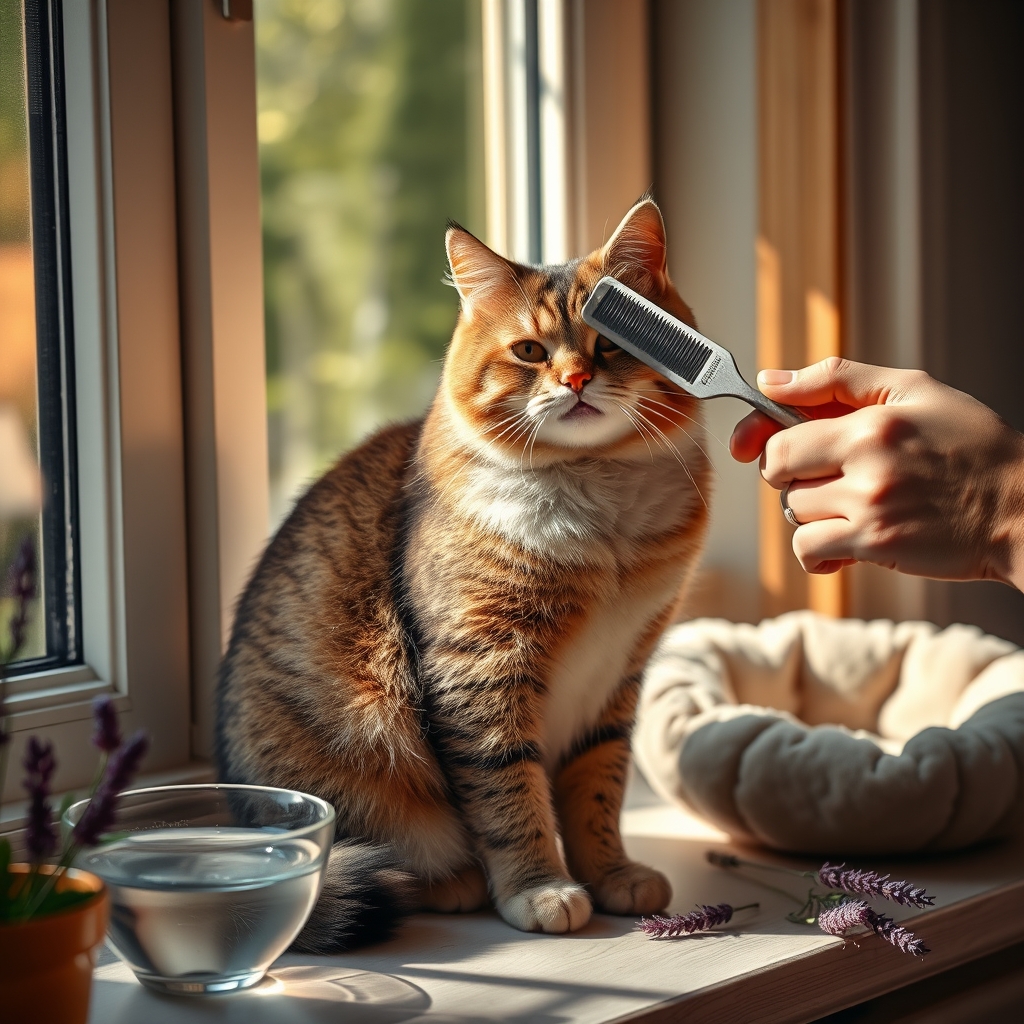
Fleas are more than just a nuisance—they can pose serious health risks to your cat, from skin irritations and allergies to the transmission of tapeworms and other diseases. While conventional flea treatments are effective, many pet owners are turning to holistic and preventive approaches to keep their feline friends flea-free without relying solely on chemical solutions. Understanding the lifecycle of fleas, the signs of infestation, and the range of treatment options available can empower you to create a safe and comfortable environment for your cat.
The Flea Lifecycle: Why Prevention Matters
Fleas undergo four stages in their lifecycle: egg, larva, pupa, and adult. Adult fleas lay eggs on your cat, which then fall off into the environment—your home, yard, or even your car. These eggs hatch into larvae, which eventually spin cocoons and enter the pupal stage. The pupae can remain dormant for weeks or even months before emerging as adult fleas, ready to infest your cat again. This lifecycle makes fleas incredibly resilient, and breaking it requires a multi-faceted approach.
Prevention is key because once an infestation takes hold, it can be challenging to eradicate. Regular grooming, environmental control, and proactive treatments can help stop fleas before they become a problem. The goal is to create an inhospitable environment for fleas while keeping your cat comfortable and healthy.
Signs Your Cat May Have Fleas
Detecting fleas early can prevent a full-blown infestation. Common signs include excessive scratching, biting, or licking, particularly around the base of the tail, neck, and ears. You may also notice small, dark specks—flea dirt—on your cat’s skin or bedding. To confirm, use a fine-toothed flea comb to check for live fleas or flea dirt. If you place the specks on a damp paper towel and they turn reddish-brown, it’s a sign of flea feces, which contains digested blood.
In some cases, fleas can cause allergic reactions in cats, leading to severe itching, hair loss, and even skin infections. If you notice any of these symptoms, it’s important to act quickly to relieve your cat’s discomfort and prevent further complications.
Holistic Flea Treatment Options
While chemical flea treatments like spot-ons, oral medications, and flea collars are widely used, many pet owners prefer natural or holistic alternatives. These options can be gentler on your cat’s system and the environment while still being effective when used correctly.
Natural Topical Treatments
Essential oils like lavender, cedarwood, and lemongrass have natural flea-repellent properties. However, it’s crucial to use them safely, as some essential oils can be toxic to cats. Always dilute essential oils properly and consult your veterinarian before applying them to your cat’s skin. Another option is diatomaceous earth, a fine powder made from fossilized algae. Food-grade diatomaceous earth can be sprinkled on your cat’s bedding or lightly applied to their fur to kill fleas by dehydrating them. Be sure to use it sparingly and avoid your cat’s face to prevent inhalation.
Dietary Supplements
A healthy diet can boost your cat’s natural defenses against fleas. Supplements like brewer’s yeast and omega-3 fatty acids can make your cat’s skin less appealing to fleas. Brewer’s yeast, in particular, contains B vitamins that are believed to repel fleas when ingested. Always introduce supplements gradually and under the guidance of your veterinarian to ensure they’re safe and effective for your cat.
Environmental Control
Fleas thrive in warm, humid environments, so keeping your home clean and dry is essential. Vacuum carpets, furniture, and pet bedding regularly to remove flea eggs and larvae. Wash your cat’s bedding in hot water weekly, and consider using a steam cleaner on carpets and upholstery to kill fleas at all stages of their lifecycle. Outdoor areas, such as patios or gardens, can also be treated with nematodes—microscopic worms that feed on flea larvae—or diatomaceous earth to reduce flea populations.
Conventional Flea Treatments: When to Use Them
While holistic methods can be effective, there are times when conventional flea treatments are necessary, especially in cases of severe infestations. Spot-on treatments, oral medications, and flea collars are designed to kill fleas quickly and provide long-lasting protection. However, it’s important to choose products that are safe for your cat’s age, weight, and health status. Some flea treatments contain ingredients that can be toxic to cats, so always read labels carefully and consult your veterinarian before use.
If you opt for conventional treatments, consider combining them with holistic methods for a more comprehensive approach. For example, you might use a spot-on treatment to kill existing fleas while also incorporating dietary supplements and environmental control to prevent future infestations.
Creating a Flea-Free Routine
Consistency is key when it comes to flea prevention. Establish a routine that includes regular grooming with a flea comb, frequent cleaning of your cat’s bedding and living areas, and ongoing use of preventive treatments. Monitor your cat for signs of fleas, especially during warmer months when flea activity is at its peak. If you have multiple pets, treat all of them simultaneously to prevent fleas from spreading.
It’s also a good idea to schedule regular check-ups with your veterinarian to discuss flea prevention strategies tailored to your cat’s needs. Your vet can recommend the best products and provide guidance on how to use them safely and effectively. By taking a proactive approach, you can minimize the risk of flea infestations and ensure your cat remains happy and healthy.
Keeping your cat flea-free is not just about treating infestations—it’s about creating a lifestyle that prioritizes their well-being. Whether you choose holistic remedies, conventional treatments, or a combination of both, the goal is the same: to provide your feline friend with a comfortable, itch-free life. With the right knowledge and tools, you can tackle fleas head-on and give your cat the care they deserve, free from the discomfort and health risks these tiny pests bring.