
Calming Treats for Cats: Soothing Solutions for a Stress-Free Feline
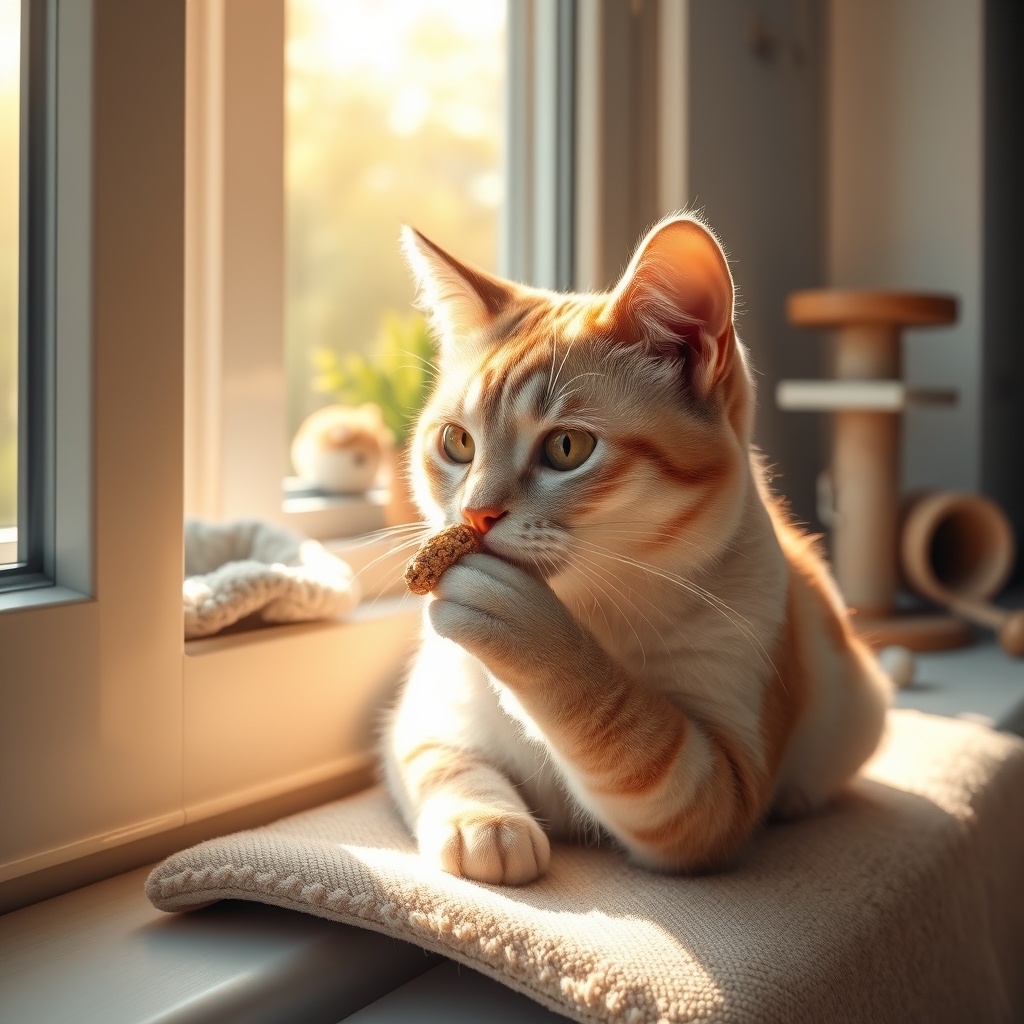
Cats, much like humans, can experience stress and anxiety. Whether it’s due to changes in their environment, loud noises, or even the absence of their favorite human, these emotions can manifest in various ways—excessive meowing, hiding, or even destructive behavior. While some stressors are inevitable, there are ways to help your feline friend find calm and comfort. One of the most effective and gentle solutions is the use of calming treats for cats. These specially formulated treats can make a world of difference in soothing your cat’s nerves and promoting a sense of well-being.
The Science Behind Calming Treats
Calming treats are not just a gimmick; they are backed by science. These treats often contain natural ingredients known for their relaxing properties, such as L-theanine, chamomile, valerian root, and melatonin. L-theanine, an amino acid found in green tea, is particularly effective in reducing anxiety by promoting the production of calming neurotransmitters like GABA, serotonin, and dopamine. Chamomile and valerian root have been used for centuries in traditional medicine to ease stress and promote relaxation, while melatonin helps regulate sleep patterns, which can be disrupted by anxiety.
When choosing calming treats, it’s essential to look for products that are free from artificial additives, fillers, and preservatives. Organic and natural options are often the best choice, as they minimize the risk of adverse reactions and ensure your cat is getting the highest quality ingredients. Always consult with your veterinarian before introducing any new supplement or treat into your cat’s diet, especially if they have pre-existing health conditions or are on medication.
When to Use Calming Treats
Calming treats can be beneficial in a variety of situations. For instance, if your cat becomes anxious during thunderstorms or fireworks, a calming treat can help take the edge off their fear. They are also useful for cats that experience separation anxiety when left alone for extended periods. Some cats may even benefit from calming treats during vet visits, car rides, or when introducing a new pet or family member into the home.
It’s important to note that calming treats are not a cure-all for severe anxiety or behavioral issues. They are best used as part of a broader approach that includes environmental enrichment, routine, and, in some cases, professional behavioral therapy. For example, pairing calming treats with interactive cat toys or a cozy hiding spot can create a more comprehensive stress-relief strategy for your feline.
How to Introduce Calming Treats to Your Cat
Introducing calming treats to your cat should be a gradual process. Start by offering a small amount to see how your cat reacts. Some cats may be hesitant to try new treats, so you might need to mix them with their favorite food or use them as a reward during playtime. Observe your cat’s behavior over the next few hours to ensure there are no adverse reactions, such as vomiting, diarrhea, or lethargy.
If your cat responds well to the treats, you can incorporate them into their routine as needed. For example, if your cat gets anxious during grooming sessions, offering a calming treat beforehand can help them associate the experience with something positive. Similarly, if your cat struggles with nighttime restlessness, a treat before bedtime can promote a more peaceful sleep.
Choosing the Right Calming Treats
With so many options available, selecting the right calming treats for your cat can feel overwhelming. Here are a few factors to consider:
Ingredients
As mentioned earlier, look for treats that contain natural, high-quality ingredients. Avoid products with artificial flavors, colors, or preservatives, as these can sometimes exacerbate anxiety or cause digestive issues. Some treats also include additional beneficial ingredients like probiotics or omega-3 fatty acids, which can support overall health.
Flavor and Texture
Cats can be notoriously picky eaters, so it’s important to choose a treat that appeals to their palate. Common flavors include chicken, salmon, and tuna, but you may need to experiment to find one your cat loves. The texture of the treat can also play a role—some cats prefer crunchy treats, while others may favor soft, chewy options.
Dosage and Administration
Follow the dosage instructions provided on the packaging, and adjust as needed based on your cat’s weight and response. Some treats are designed to be given as needed, while others may require daily administration for optimal results. If you’re unsure about the correct dosage, consult your veterinarian for guidance.
Brand Reputation
Not all calming treats are created equal. Opt for brands with a strong reputation for quality and safety. Reading reviews from other cat owners can provide valuable insights into the effectiveness of a product. Additionally, look for treats that have been tested and approved by veterinarians or certified by organizations like the National Animal Supplement Council (NASC).
Alternative Calming Solutions
While calming treats can be incredibly helpful, they are just one tool in your arsenal for managing feline anxiety. Combining them with other calming strategies can enhance their effectiveness. For example, creating a safe and quiet space for your cat to retreat to during stressful events can provide comfort. Products like pheromone diffusers, which mimic the natural calming pheromones produced by cats, can also be beneficial.
Environmental enrichment is another key factor in reducing stress. Providing your cat with interactive cat toys, scratching posts, and climbing structures can keep them mentally stimulated and physically active, which in turn can lower anxiety levels. Regular playtime and affection can also strengthen the bond between you and your cat, making them feel more secure and less prone to stress.
For cats with severe anxiety, it may be worth exploring behavioral therapy or consulting with a veterinarian about prescription medications. However, for most cats, a combination of calming treats, environmental adjustments, and plenty of love and attention can make a significant difference in their overall well-being. The goal is to create a peaceful and happy life for your feline companion, where they feel safe, loved, and stress-free in their home.