
The Gentle Art of Kitten Training: Building Trust and Confidence from Day One
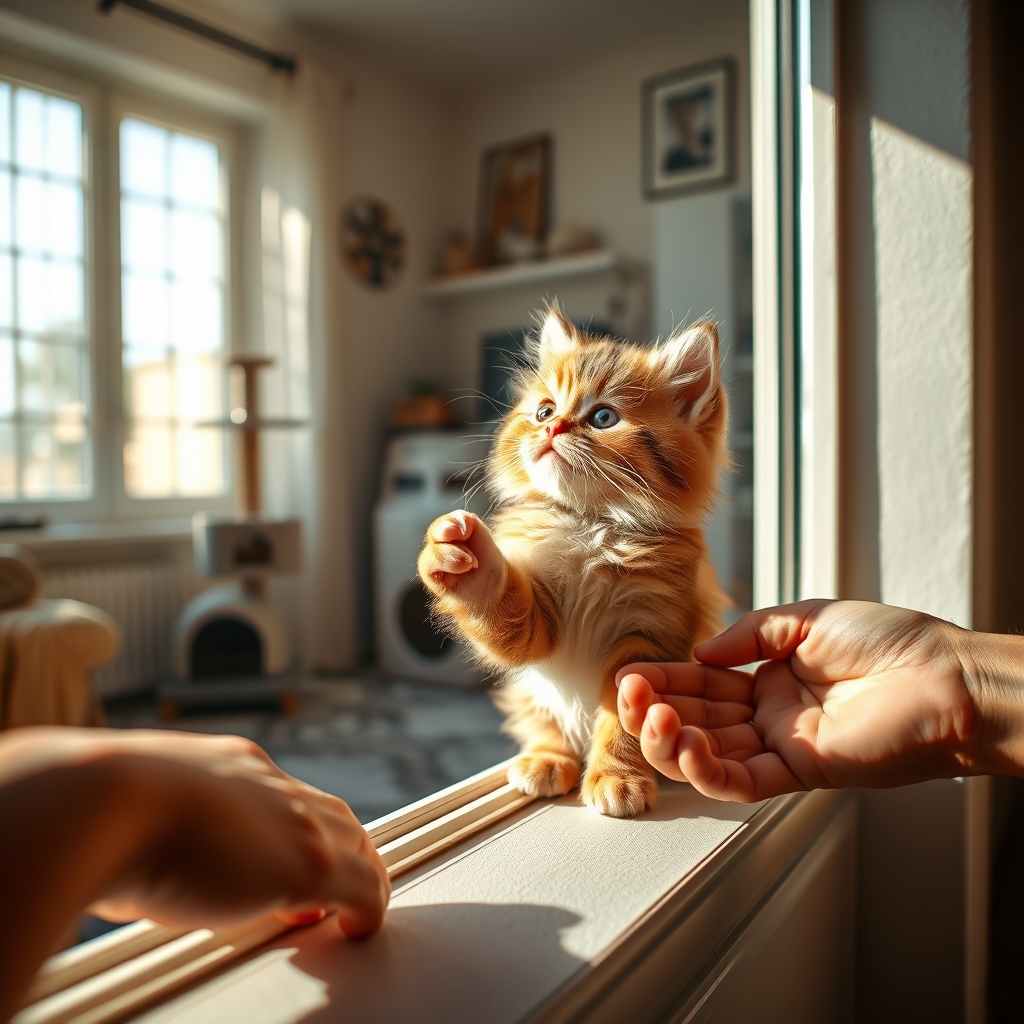
Bringing a new kitten into your home is an exciting adventure, but it also comes with the responsibility of helping them adapt to their new environment. Training a kitten isn’t just about teaching them where to scratch or how to use the litter box—it’s about building a foundation of trust, confidence, and mutual understanding. The key to success lies in patience, consistency, and a deep appreciation for your kitten’s unique personality and needs.
The First Steps: Creating a Safe and Welcoming Space
Before diving into training, it’s essential to create a safe and comfortable space for your kitten. This area should include their bed, litter box, food and water bowls, and a few toys. A quiet, low-traffic area of your home works best, as it allows your kitten to explore without feeling overwhelmed. This space will serve as their sanctuary, a place where they can retreat when they need a break from the hustle and bustle of their new world.
Introduce your kitten to this space gradually. Allow them to explore at their own pace, and avoid forcing interactions. Let them come to you when they’re ready. This approach helps build trust and ensures your kitten feels secure in their new environment. Over time, you can slowly expand their territory, introducing them to other areas of your home as they become more confident.
Litter Box Training: Setting Your Kitten Up for Success
One of the first and most important training tasks is litter box training. Most kittens instinctively know how to use a litter box, but they may need a little guidance to understand where it’s located. Place the litter box in a quiet, easily accessible spot, and show your kitten where it is by gently placing them inside after meals or naps. If they don’t immediately use it, don’t worry—patience is key.
Keep the litter box clean, as kittens are more likely to use it if it’s free of waste. If accidents happen, avoid scolding your kitten. Instead, clean up the mess with an enzymatic cleaner to remove odors that might attract them back to the same spot. Positive reinforcement, such as gentle praise or a small treat when they use the litter box correctly, can also encourage good habits.
Positive Reinforcement: The Heart of Kitten Training
Positive reinforcement is the most effective and humane way to train a kitten. This method involves rewarding desired behaviors with treats, praise, or playtime, while ignoring or redirecting unwanted behaviors. For example, if your kitten scratches the furniture, gently move them to a scratching post and reward them when they use it. Over time, they’ll associate the scratching post with positive experiences and be more likely to use it.
When training your kitten, keep sessions short and fun. Kittens have short attention spans, so aim for 5-10 minute sessions a few times a day. Use high-value treats, such as small pieces of premium cat treats, to motivate them. Remember, the goal is to make training a positive experience, not a stressful one. If your kitten seems frustrated or disinterested, take a break and try again later.
Teaching Basic Commands and Boundaries
While cats aren’t as easily trainable as dogs, they can learn basic commands and boundaries with consistency and patience. Start with simple commands like “sit” or “come.” Use a clicker or a verbal marker like “yes” to signal when your kitten has done something correctly, followed by a treat. For example, hold a treat above your kitten’s head and say “sit.” When they naturally sit down, mark the behavior and reward them.
Setting boundaries is also important. If there are areas of your home that are off-limits, use deterrents like double-sided tape or aluminum foil to discourage your kitten from entering those spaces. Alternatively, provide plenty of acceptable alternatives, such as cat trees or scratching posts, to redirect their energy.
Socialization: Helping Your Kitten Grow into a Confident Cat
Socialization is a critical aspect of kitten training that often gets overlooked. Exposing your kitten to different people, pets, and environments during their early months helps them grow into a well-adjusted, confident cat. Start by introducing them to family members and friends one at a time, allowing your kitten to approach at their own pace. Reward calm and curious behavior with treats and praise.
If you have other pets, introduce them gradually and under supervision. Keep initial interactions short and positive, and separate them if either pet shows signs of stress or aggression. Over time, they’ll learn to coexist peacefully. Additionally, expose your kitten to various sounds, textures, and experiences, such as vacuum cleaners, car rides, or different types of flooring. This exposure helps prevent fear and anxiety as they grow older.
Addressing Common Behavioral Challenges
Kittens, like all young animals, can exhibit behaviors that are challenging for their owners. Biting, scratching, and nighttime zoomies are common but can be managed with the right approach. If your kitten bites or scratches during play, redirect their attention to a toy and end the play session if the behavior continues. This teaches them that biting or scratching ends the fun, while gentle play is rewarded.
Nighttime zoomies are another common issue, as kittens have bursts of energy at odd hours. To help your kitten settle down at night, engage them in interactive play before bedtime to tire them out. Provide plenty of toys and climbing structures to keep them entertained during the day, so they’re less likely to seek attention at night. If your kitten meows excessively at night, avoid reinforcing the behavior by giving them attention. Instead, wait until they’re quiet to reward them with a treat or gentle praise.
Building a Lifelong Bond Through Training
Training your kitten is about more than just teaching them manners—it’s an opportunity to strengthen the bond between you and your feline friend. Every interaction is a chance to build trust, communicate love, and create a harmonious home. By approaching training with patience, consistency, and a focus on positive reinforcement, you’ll help your kitten grow into a confident, well-adjusted cat who feels secure and loved in their forever home.
As you embark on this journey together, remember that every kitten is unique. Some may take to training quickly, while others may need more time and encouragement. Celebrate the small victories, and don’t be discouraged by setbacks. With time, effort, and a lot of love, you’ll create a strong foundation for a lifelong friendship that enriches both of your lives in ways you never imagined.