
The Hidden Dangers of Cat Fleas: Prevention, Detection, and Holistic Treatment for a Happy Feline
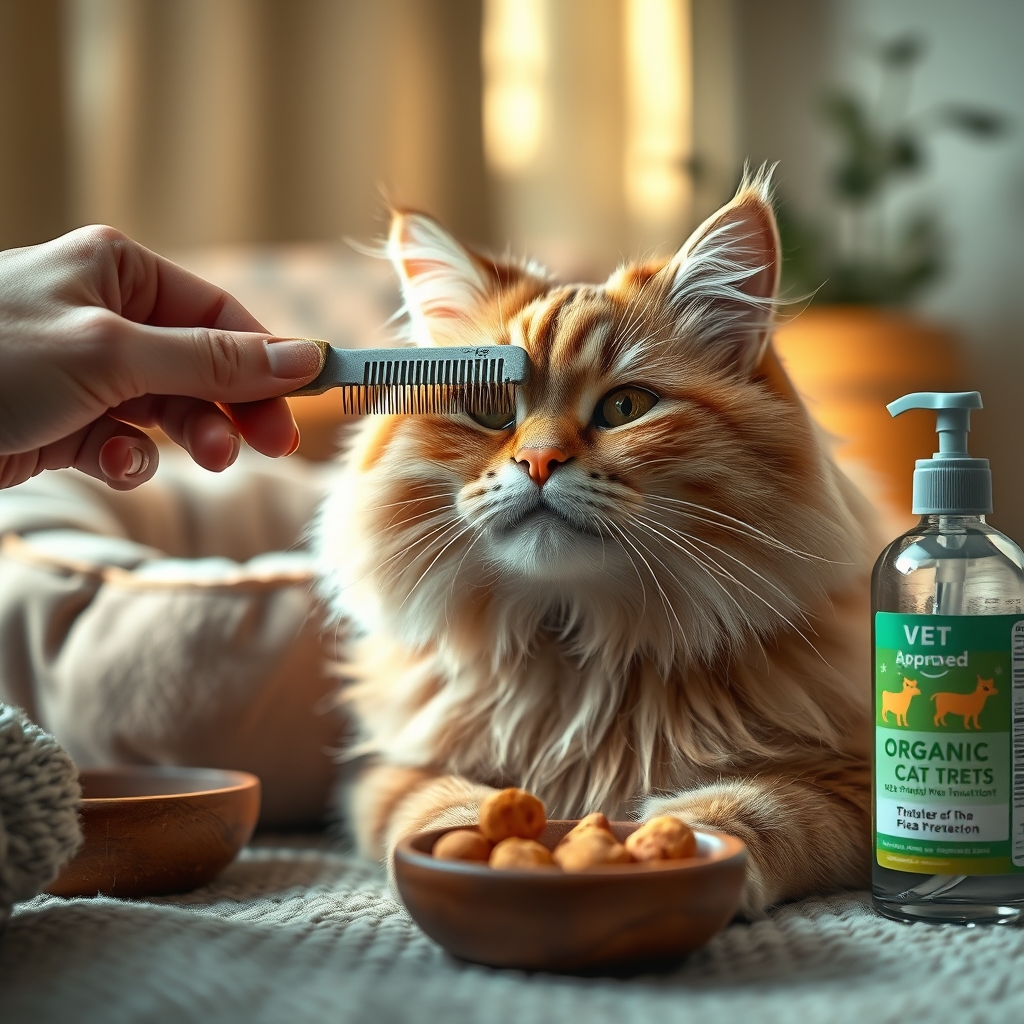
Fleas are more than just an itchy nuisance for your cat—they can lead to serious health complications if left unchecked. These tiny parasites thrive in warm, humid environments and can quickly infest your home, turning a minor irritation into a full-blown crisis. Understanding the risks, recognizing early signs, and implementing a proactive prevention strategy is essential for every cat owner who wants to keep their feline friend healthy and comfortable.
The Silent Threat: Why Fleas Are More Than Just a Bother
Fleas are not just a seasonal problem; they can strike year-round, especially in indoor environments where central heating creates an ideal breeding ground. A single flea can lay up to 50 eggs per day, leading to a rapid infestation that’s difficult to control. Beyond the obvious discomfort of itching, fleas can transmit tapeworms, cause allergic dermatitis, and even lead to anemia in severe cases, particularly in kittens or older cats with weakened immune systems.
One of the most insidious aspects of flea infestations is their ability to go unnoticed until the problem becomes severe. Many cats are fastidious groomers, which means they may ingest fleas while cleaning themselves, masking the presence of these pests. By the time you notice excessive scratching or see flea dirt (tiny black specks that resemble pepper), the infestation may already be well underway.
Early Detection: Spotting the Signs Before It’s Too Late
Vigilance is key when it comes to flea prevention. Regularly inspect your cat’s fur, especially around the neck, tail base, and belly—areas where fleas tend to congregate. Use a fine-toothed flea comb to check for live fleas or flea dirt, which turns reddish-brown when placed on a damp paper towel. Other warning signs include:
- Excessive scratching, licking, or biting at the skin
- Red, inflamed patches or scabs
- Hair loss, particularly around the tail or hind legs
- Restlessness or unusual agitation
If you suspect your cat has fleas, act quickly. Delaying treatment can lead to secondary infections, stress-related behavioral issues, and a much harder battle to eradicate the infestation from your home.
Holistic Prevention: Beyond Chemical Treatments
While topical treatments and oral medications are highly effective, many cat owners are turning to holistic approaches to complement traditional flea prevention. Natural remedies like diatomaceous earth (food-grade) can be sprinkled on carpets and furniture to dehydrate fleas without harming pets. Essential oils such as lavender, cedarwood, and lemongrass—when properly diluted and used under veterinary guidance—can act as natural repellents. However, it’s crucial to note that some essential oils are toxic to cats, so always consult your vet before trying new treatments.
Environmental control is just as important as treating your cat. Wash your cat’s bedding, vacuum carpets and upholstery frequently, and consider using flea traps to monitor and reduce the flea population in your home. For outdoor cats, keeping grass trimmed and avoiding damp, shaded areas can help minimize exposure.
Choosing the Right Flea Prevention Products
The market is flooded with flea prevention products, from spot-on treatments and oral medications to flea collars and shampoos. Each has its pros and cons, and the best choice depends on your cat’s age, health, lifestyle, and your household environment. Here’s a quick breakdown:
- Topical Treatments: Applied monthly, these are convenient and effective but may cause skin irritation in some cats.
- Oral Medications: Fast-acting and easy to administer, but some cats may experience mild side effects like vomiting or lethargy.
- Flea Collars: Long-lasting and low-maintenance, though some cats may develop skin reactions or dislike wearing them.
- Flea Shampoos: Great for immediate relief but offer only short-term protection and require frequent reapplication.
Consult your veterinarian to determine the safest and most effective option for your cat. They can recommend products based on your cat’s specific needs and help you avoid potential pitfalls, such as using dog flea treatments on cats—a dangerous mistake that can lead to severe toxicity.
When to Seek Professional Help
If your cat’s flea problem persists despite your best efforts, it may be time to call in the professionals. Severe infestations often require a multi-pronged approach, including professional pest control services to treat your home. Your vet may also prescribe stronger medications or recommend additional tests to rule out underlying conditions like flea allergy dermatitis or secondary infections.
Prevention is always easier—and far less stressful—than treatment. By staying proactive, you can spare your cat the discomfort of fleas and avoid the headache of a full-blown infestation. Regular grooming, environmental control, and the right preventive products can make all the difference in keeping your feline friend happy, healthy, and flea-free.
Your cat’s well-being depends on your attention to the small details. A little effort today can prevent a world of discomfort tomorrow, ensuring that your feline companion enjoys a life free from the hidden dangers of fleas. The peace of mind that comes with knowing you’ve protected your pet is worth every moment spent on prevention and care.