
Cat Flea Prevention: Safeguarding Your Feline’s Health and Comfort
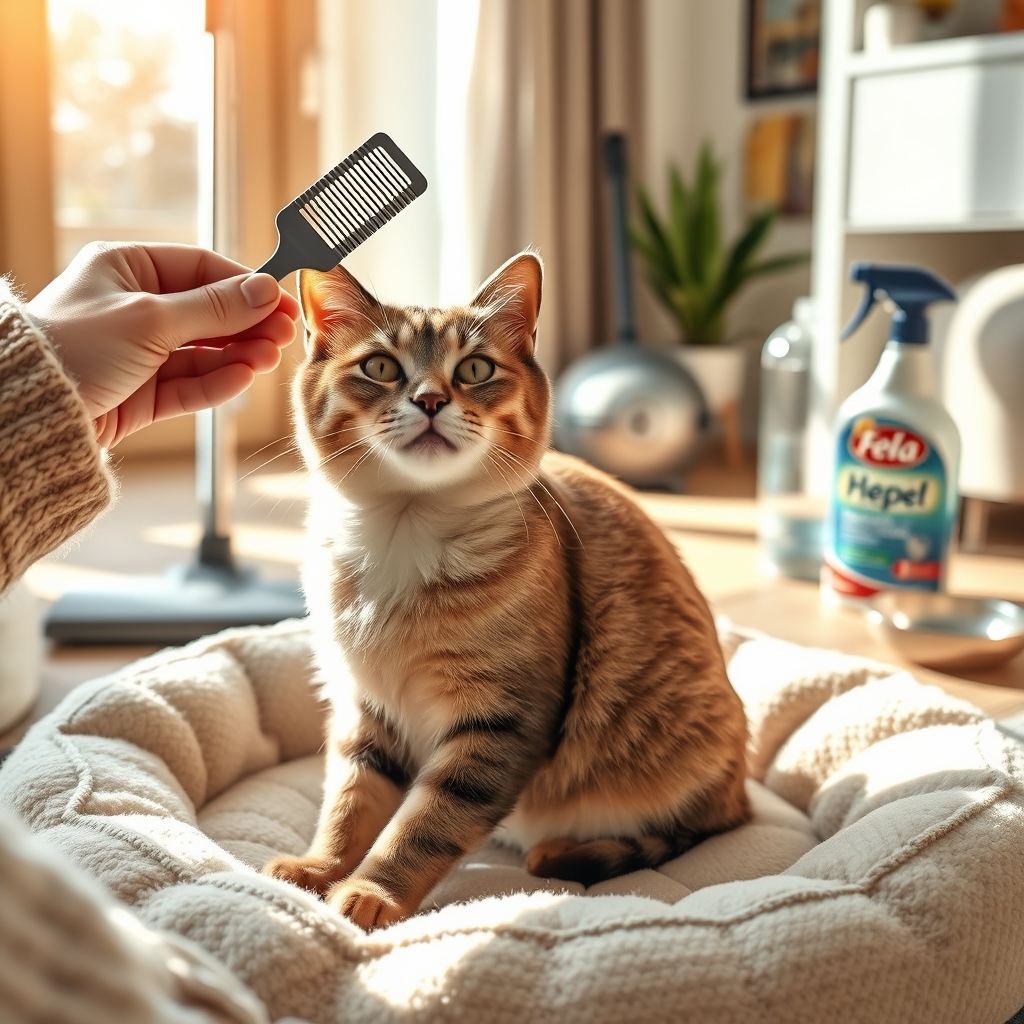
Fleas are more than just a nuisance—they’re a persistent threat to your cat’s health, comfort, and even your household. These tiny parasites can cause intense itching, allergic reactions, and in severe cases, transmit diseases or lead to anemia. For cat owners, understanding flea prevention isn’t just about keeping your pet comfortable; it’s about protecting their overall well-being. With the right knowledge and tools, you can create a flea-free environment that ensures your feline friend stays happy and healthy year-round.
The Lifecycle of Fleas: Why Prevention is Key
Fleas thrive in warm, humid environments, and their lifecycle consists of four stages: egg, larva, pupa, and adult. A single female flea can lay up to 50 eggs per day, which means an infestation can escalate rapidly if left unchecked. The eggs fall off your cat and into your home, where they develop into larvae and eventually mature into adult fleas. This cycle can take as little as two weeks or as long as several months, depending on environmental conditions. Breaking this cycle is essential, and prevention is far easier—and more cost-effective—than treating a full-blown infestation.
Common Signs of Fleas in Cats
Detecting fleas early can save your cat from discomfort and prevent a larger problem. Some of the most common signs include:
- Excessive scratching or grooming: Fleas cause irritation, leading cats to scratch, bite, or lick their fur excessively.
- Red bumps or scabs: Flea bites can leave small, red lesions, particularly around the neck, tail, and hind legs.
- Flea dirt: Tiny black specks (flea feces) in your cat’s fur or bedding are a telltale sign of an infestation.
- Hair loss: Chronic scratching can lead to bald patches, especially in cats with flea allergy dermatitis.
- Visible fleas: Adult fleas are small, dark, and fast-moving, often spotted near the skin or in dense fur.
Effective Flea Prevention Strategies
Preventing fleas requires a multi-faceted approach that targets both your cat and their environment. Here are some of the most effective strategies:
Topical and Oral Preventatives
Veterinarian-recommended flea treatments are the cornerstone of prevention. These come in various forms, including:
- Spot-on treatments: Applied monthly to the skin between your cat’s shoulder blades, these treatments kill adult fleas and disrupt their lifecycle.
- Oral medications: Fast-acting pills that kill fleas within hours and provide month-long protection.
- Flea collars: Long-lasting collars that release active ingredients to repel and kill fleas for several months.
Always consult your veterinarian before choosing a product, as some treatments may not be suitable for kittens, pregnant cats, or those with certain health conditions.
Environmental Control
Fleas don’t just live on your cat—they infest your home, yard, and even your car. To tackle an infestation or prevent one, focus on:
- Regular vacuuming: Vacuum carpets, furniture, and pet bedding frequently to remove eggs, larvae, and adult fleas. Dispose of the vacuum bag or empty the canister outside immediately.
- Washing bedding: Wash your cat’s bedding, blankets, and any fabric they frequently contact in hot water weekly.
- Yard maintenance: Keep your lawn trimmed and remove debris where fleas might hide. Consider using pet-safe yard sprays or nematodes (natural flea predators) to reduce flea populations outdoors.
- Flea sprays and foggers: For severe infestations, use flea sprays or foggers designed for indoor use, but ensure they’re safe for pets and follow instructions carefully.
Natural and DIY Flea Remedies
While natural remedies shouldn’t replace veterinary-approved treatments, they can complement your flea prevention routine. Some options include:
- Diatomaceous earth (food-grade): A fine powder that dehydrates fleas. Lightly dust carpets, pet bedding, and outdoor areas, but avoid direct application to your cat’s fur.
- Essential oils: Some oils, like lavender or cedarwood, may repel fleas. However, many essential oils are toxic to cats, so always dilute them properly and consult your vet before use.
- Flea combs: Regularly combing your cat with a fine-toothed flea comb can help remove adult fleas and flea dirt. Dip the comb in soapy water to drown any fleas you catch.
Choosing the Right Flea Prevention Product
With so many flea prevention products on the market, selecting the right one can feel overwhelming. Here’s what to consider:
Safety and Efficacy
Not all flea products are created equal. Some over-the-counter treatments may contain harsh chemicals that can harm your cat, especially if they’re young, elderly, or have underlying health issues. Always opt for products recommended by your veterinarian, and avoid those containing permethrin, which is toxic to cats. Look for treatments that are fast-acting, long-lasting, and safe for your cat’s age and weight.
Ease of Use
Consider your cat’s temperament and your lifestyle when choosing a flea prevention method. For example:
- Spot-on treatments: Ideal for cats who dislike oral medications but may not be suitable for those who groom excessively.
- Oral medications: Great for cats who hate topical treatments but may be difficult to administer if your cat is picky.
- Flea collars: Convenient for long-term protection but may not be ideal for cats who dislike wearing collars.
Cost and Convenience
Flea prevention is an ongoing expense, so it’s important to factor in cost. While some products may seem expensive upfront, they can save you money in the long run by preventing infestations and the need for costly treatments. Many veterinarians offer subscription services or discounts for purchasing multiple doses, so ask about these options.
Flea prevention is a year-round commitment, not just a seasonal concern. Even indoor cats can be at risk, as fleas can hitch a ride on clothing, shoes, or other pets. By staying proactive—using veterinarian-approved treatments, maintaining a clean environment, and monitoring your cat for signs of fleas—you can ensure your feline companion enjoys a life free from these pesky parasites. A little effort today can spare your cat from discomfort and keep your home a safe, flea-free haven for years to come.