Cat Adoption Centers: How to Choose the Right One for Your Future Feline Friend
Adopting a cat is a life-changing decision that brings joy, companionship, and a sense of fulfillment. However, the journey to finding the perfect feline companion begins long before you bring your new pet home—it starts with choosing the right cat adoption center. With so many options available, from local shelters to breed-specific rescues, making an informed choice ensures a smooth transition for both you and your future cat. This guide will walk you through the key factors to consider when selecting a cat adoption center, helping you make a decision that aligns with your values and your cat’s needs.
The Importance of Choosing the Right Adoption Center
Cat adoption centers vary widely in their practices, policies, and the level of care they provide to their animals. Some prioritize quantity, aiming to rehome as many cats as possible, while others focus on quality, ensuring each cat receives individualized attention, medical care, and behavioral assessments. The center you choose can significantly impact your cat’s health, temperament, and long-term well-being. A reputable adoption center will not only match you with a cat that suits your lifestyle but also provide ongoing support and resources to help you navigate the early days of pet ownership.
Key Factors to Consider When Evaluating Adoption Centers
1. Reputation and Transparency
Start by researching the reputation of the adoption center. Look for reviews and testimonials from previous adopters, and check if the center is registered with or accredited by animal welfare organizations. Transparency is crucial—reputable centers will openly share information about their adoption processes, fees, and the health history of their cats. They should also be willing to answer any questions you have about their policies, such as how they handle cats with special needs or behavioral issues. If a center is evasive or unwilling to provide details, consider it a red flag.
2. Health and Veterinary Care
A responsible adoption center prioritizes the health of its cats. Inquire about the veterinary care provided to the cats before adoption. Are they spayed or neutered? Have they received vaccinations, flea prevention, and deworming treatments? Are they tested for common feline diseases like FIV (Feline Immunodeficiency Virus) and FeLV (Feline Leukemia Virus)? Some centers also microchip their cats before adoption, which is a valuable safety measure. If a center cannot provide clear documentation of these services, it may indicate subpar care.
3. Behavioral Assessments and Socialization
Cats in adoption centers come from diverse backgrounds, and their temperaments can vary widely. A good adoption center will conduct behavioral assessments to understand each cat’s personality, including how they interact with humans, other cats, and new environments. This information is invaluable in helping you find a cat that matches your lifestyle. For example, if you have a busy household with children, a center that has evaluated a cat’s tolerance for noise and activity will be better equipped to make a suitable match. Additionally, ask about the center’s socialization practices—are the cats given regular interaction with staff and volunteers to ensure they are comfortable around people?
4. Adoption Process and Support
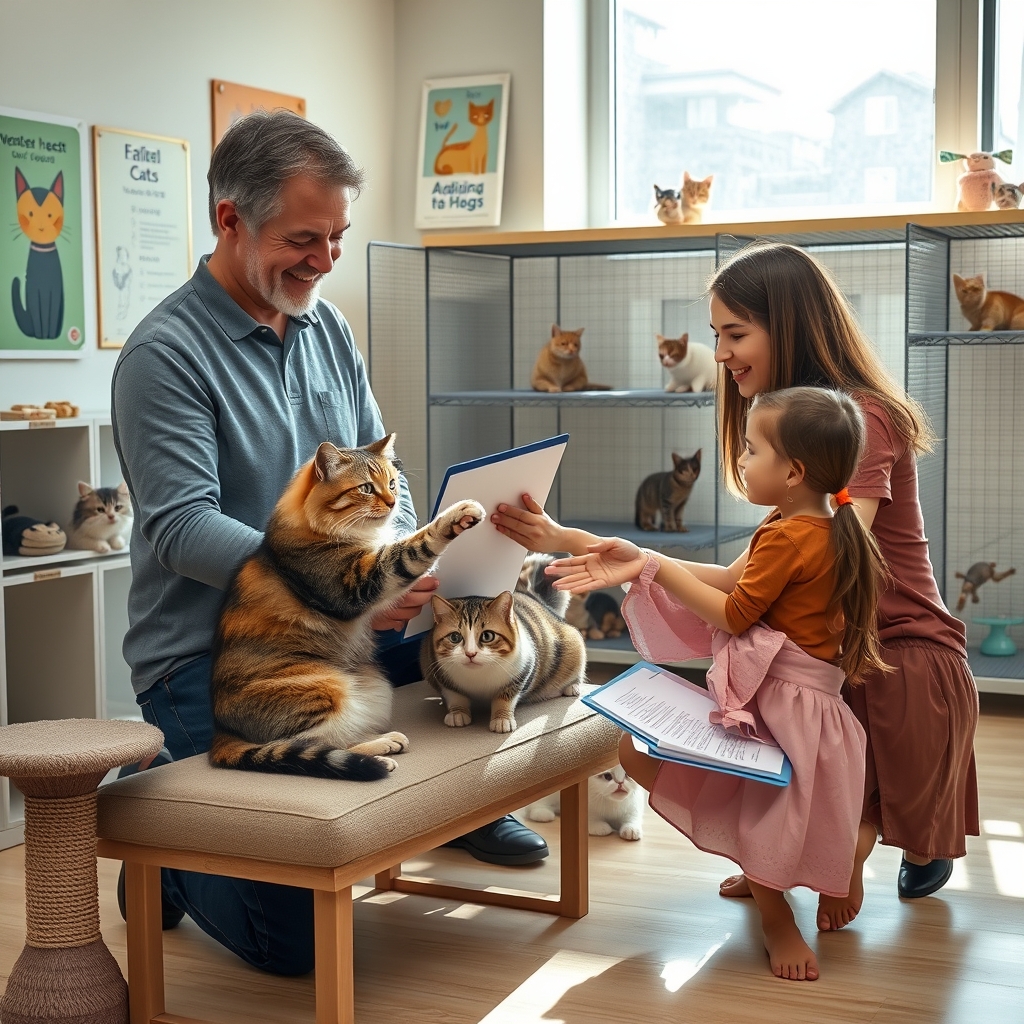
The adoption process should be thorough but not overly burdensome. Reputable centers will require an application, possibly followed by an interview or home visit, to ensure you are a good fit for the cat. While this may seem intrusive, it is a sign that the center cares about the long-term welfare of its animals. Additionally, inquire about post-adoption support. Do they offer resources for introducing your new cat to your home? Are they available to answer questions or provide guidance if issues arise? Some centers even offer trial periods or follow-up visits to ensure the adoption is successful.
5. Facility Conditions and Cat Welfare
If possible, visit the adoption center in person to observe the conditions firsthand. The facility should be clean, well-maintained, and free of unpleasant odors. Cats should have access to fresh water, nutritious food, and comfortable resting areas. Overcrowding can be a sign of poor management and may lead to stress or illness among the cats. Pay attention to how the staff interacts with the animals—are they knowledgeable, compassionate, and attentive? A center that prioritizes cat welfare will have staff who are genuinely invested in the well-being of their animals.
6. Adoption Fees and What They Cover
Adoption fees can vary significantly between centers, so it’s important to understand what is included in the cost. While a higher fee doesn’t always guarantee better care, it often reflects the level of veterinary services provided. Ask for a breakdown of what the fee covers—does it include spaying/neutering, vaccinations, microchipping, or a starter kit with food and supplies? Some centers also offer discounted fees for senior cats or cats with special needs, making it more affordable to adopt animals that might otherwise be overlooked.
Types of Cat Adoption Centers
1. Local Animal Shelters
Local animal shelters are often the first stop for prospective cat adopters. These facilities typically house a mix of cats, including strays, owner surrenders, and cats transferred from other shelters. Shelters vary in size and resources, but many provide basic veterinary care and behavioral assessments. Adopting from a shelter is a great way to give a cat a second chance at a loving home, and the fees are usually lower than those at private rescues. However, shelters may have limited resources for cats with special needs or behavioral challenges.
2. Breed-Specific Rescues
If you have your heart set on a specific breed, a breed-specific rescue can be an excellent option. These organizations focus on rescuing and rehoming cats of a particular breed, such as Siamese, Maine Coon, or Persian. Breed-specific rescues often have in-depth knowledge of the breed’s characteristics, health concerns, and care requirements, making them a valuable resource for adopters. However, these rescues may have stricter adoption criteria and higher fees due to the specialized care they provide.
3. Private Cat Rescues
Private cat rescues are typically run by volunteers and rely on donations to operate. These rescues often have a network of foster homes where cats are cared for until they are adopted. Foster-based rescues can provide a more accurate assessment of a cat’s personality and behavior, as the cats are living in a home environment rather than a shelter. Private rescues may also have more flexible adoption processes, but they may have limited availability compared to larger shelters.
4. Pet Adoption Events
Many adoption centers participate in pet adoption events, which are often held at pet stores, community centers, or outdoor venues. These events are a great way to meet multiple cats in one place and interact with them in a less stressful environment than a shelter. However, it’s important to research the participating organizations beforehand to ensure they are reputable. Some events may be organized by rescues with varying standards of care, so don’t hesitate to ask questions about the cats’ health and history.
Making the Final Decision
Choosing the right cat adoption center is a deeply personal decision that depends on your preferences, lifestyle, and the type of cat you are looking for. Take your time to visit multiple centers, ask questions, and observe how the cats are treated. Trust your instincts—if something doesn’t feel right, it’s okay to walk away and continue your search. The goal is to find a center that not only matches you with the perfect cat but also supports you throughout the adoption process and beyond.
When you finally bring your new feline friend home, you’ll know that you’ve made a choice that benefits both of you. The bond you form with your cat will be built on trust, care, and mutual respect, and it all begins with the thoughtful decision to adopt from a center that shares your commitment to feline welfare. Whether you’re drawn to a playful kitten, a gentle senior cat, or a special-needs feline, the right adoption center will help you find a companion whose personality and needs align with your own, creating a harmonious and loving relationship that lasts a lifetime.