The Hidden Dangers of Hairballs: A Comprehensive Guide to Prevention and Natural Remedies for Your Cat
Hairballs are a common issue for cat owners, often dismissed as a minor inconvenience. However, they can lead to serious health complications if not managed properly. Understanding the causes, risks, and solutions for hairballs is essential for maintaining your feline friend’s well-being. This guide explores natural remedies, dietary adjustments, and grooming techniques to help your cat live a happier, healthier life.
The Science Behind Hairballs
Cats are meticulous groomers, spending up to 50% of their waking hours licking their fur. This self-cleaning habit, while beneficial for hygiene, leads to the ingestion of loose hair. Most of this hair passes through the digestive system without issue, but some remains in the stomach, forming a dense mass—what we commonly refer to as a hairball. While occasional hairballs are normal, frequent occurrences can signal underlying problems, such as excessive shedding, digestive issues, or even anxiety.
Hairballs are technically called trichobezoars, and they can cause discomfort, vomiting, and in severe cases, intestinal blockages. Long-haired breeds like Persians and Maine Coons are particularly prone to this issue, but even short-haired cats are not immune. Recognizing the signs early—such as frequent gagging, retching, or a lack of appetite—can help prevent more serious complications.
Dietary Adjustments for Hairball Prevention
One of the most effective ways to reduce hairballs is through diet. A high-fiber diet helps move ingested hair through the digestive tract more efficiently. Look for cat foods labeled “hairball control,” which often contain added fiber sources like psyllium husk or beet pulp. These ingredients bulk up the stool, allowing hair to pass naturally rather than forming clumps in the stomach.
Incorporating healthy fats into your cat’s diet can also improve coat health, reducing shedding. Omega-3 fatty acids, found in fish oil or flaxseed, promote a shiny, strong coat while minimizing loose fur. Additionally, ensuring your cat stays hydrated is crucial. Wet food or a cat water fountain can encourage drinking, which aids digestion and helps prevent hairball formation.
Natural Supplements and Remedies
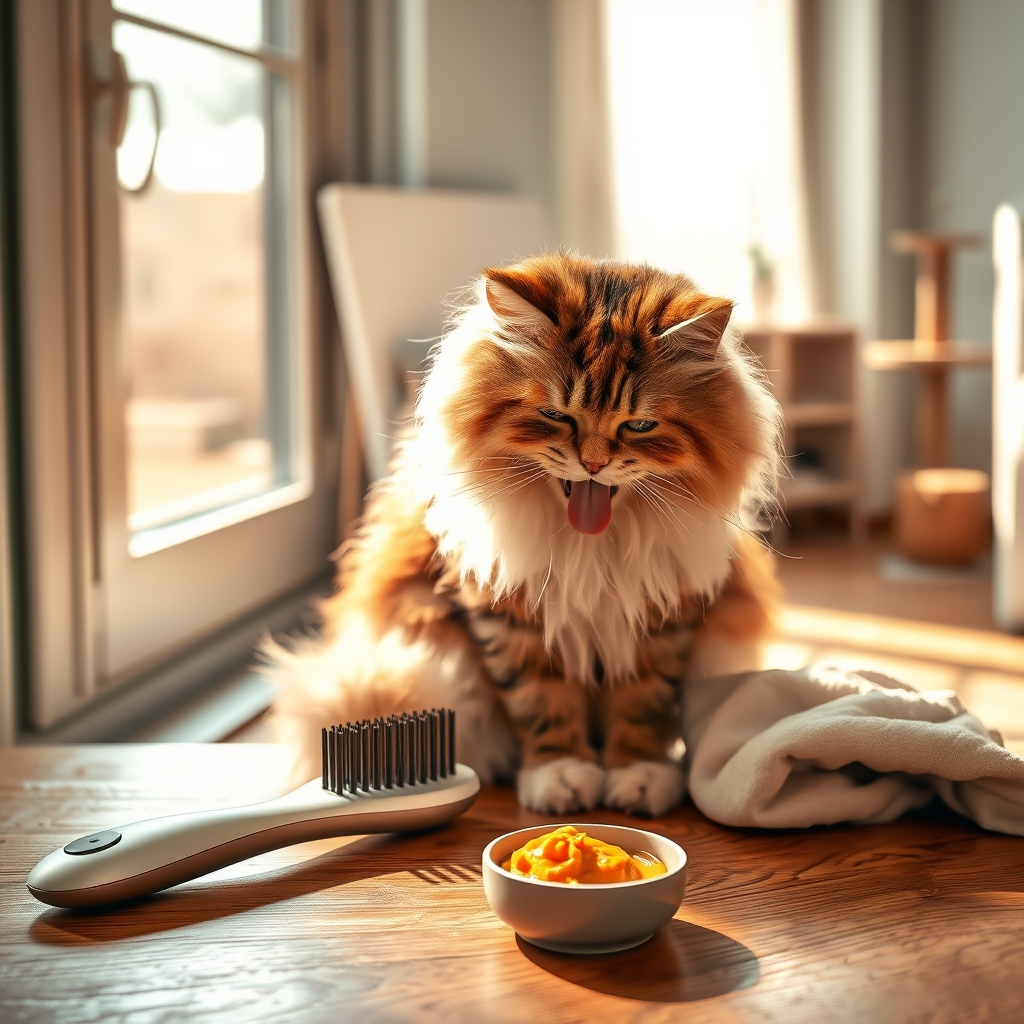
If dietary changes alone aren’t enough, natural supplements can provide additional support. Pumpkin puree, for example, is a gentle, fiber-rich remedy that can help move hair through the digestive system. A teaspoon mixed into your cat’s food once or twice a week can make a noticeable difference. Similarly, coconut oil has lubricating properties that may ease the passage of hairballs. Start with a small amount—about ¼ teaspoon per day—and monitor your cat’s reaction.
Probiotics are another valuable tool in the fight against hairballs. A healthy gut microbiome supports digestion and can reduce the likelihood of hairballs forming. Look for cat-specific probiotic supplements or foods that contain live cultures. Always consult your veterinarian before introducing new supplements to ensure they’re safe for your cat’s specific needs.
The Role of Grooming in Hairball Management
Regular grooming is one of the simplest yet most effective ways to prevent hairballs. Brushing your cat daily removes loose fur before it can be ingested. For long-haired cats, a slicker brush or de-shedding tool can significantly reduce shedding. Short-haired cats benefit from a rubber grooming glove or a fine-toothed comb, which captures loose hair without irritating the skin.
Bathing your cat occasionally can also help, though this should be done sparingly to avoid stress. Use a cat-specific shampoo and ensure the water is lukewarm. If your cat is particularly resistant to baths, consider professional grooming services. Many groomers offer “lion cuts” or other styles that reduce shedding while keeping your cat comfortable.
Behavioral and Environmental Factors
Stress and boredom can exacerbate grooming behaviors, leading to more hairballs. Indoor cats, in particular, may over-groom due to a lack of stimulation. Providing interactive toys, scratching posts, and climbing structures can redirect their energy and reduce excessive licking. Puzzle feeders are another great way to keep your cat mentally engaged while slowing down their eating, which can aid digestion.
If your cat’s grooming habits seem compulsive, it may be worth exploring feline behavioral therapy. A certified animal behaviorist can help identify triggers and develop a plan to reduce stress-related grooming. In some cases, pheromone diffusers or calming supplements may also be recommended to ease anxiety.
When to Seek Veterinary Care
While occasional hairballs are normal, frequent or severe cases warrant a visit to the vet. If your cat is vomiting more than once a week, has a distended abdomen, or shows signs of lethargy, it could indicate a blockage. Intestinal obstructions are life-threatening and require immediate medical attention. Your vet may recommend diagnostic tests, such as X-rays or ultrasounds, to assess the situation.
In some cases, hairballs may be a symptom of an underlying condition, such as inflammatory bowel disease (IBD) or gastrointestinal motility disorders. Early intervention can prevent complications and improve your cat’s quality of life. Always keep an eye on your cat’s behavior and consult your vet if you notice any changes in their grooming or eating habits.
Preventing hairballs is not just about managing a nuisance—it’s about safeguarding your cat’s health. By combining a balanced diet, regular grooming, and a stimulating environment, you can minimize the risks and ensure your feline companion enjoys a comfortable, hairball-free life. Small changes in routine can make a big difference, turning a common problem into an easily manageable part of cat ownership. With the right approach, you and your cat can focus on what truly matters: sharing a happy, healthy bond.