Balancing Act: The Essential Guide to Cat Weight Management for a Longer, Healthier Life
Obesity in cats is a growing concern among pet owners, with studies showing that nearly 60% of domestic felines are overweight or obese. Just like in humans, excess weight can lead to a myriad of health issues, including diabetes, arthritis, and heart disease. Managing your cat’s weight isn’t just about aesthetics—it’s a critical component of their overall well-being. The good news? With the right approach, you can help your feline friend achieve and maintain a healthy weight without sacrificing their happiness or quality of life.
The Hidden Dangers of Feline Obesity
Carrying extra pounds might seem harmless, but for cats, it can be a silent threat. Overweight cats are at a higher risk for developing diabetes mellitus, a condition that requires lifelong management and can significantly impact their quality of life. Joint problems, such as arthritis, are also common in heavier cats, as the extra weight puts unnecessary strain on their bones and ligaments. Even more alarming, obese cats are more prone to urinary tract diseases and liver issues, which can become life-threatening if left untreated.
Beyond physical health, obesity can affect a cat’s behavior and mental state. Overweight cats are often less active, which can lead to boredom, depression, and even destructive behaviors like excessive scratching or over-grooming. Recognizing these risks is the first step toward taking action and ensuring your cat lives a long, vibrant life.
Assessing Your Cat’s Weight: When to Take Action
Determining whether your cat is overweight isn’t always straightforward. Unlike dogs, cats have a natural layer of fat that can make it difficult to assess their body condition visually. A helpful tool is the Body Condition Score (BCS), a scale used by veterinarians to evaluate a cat’s weight based on physical characteristics. A healthy cat should have a slight waist when viewed from above, and you should be able to feel their ribs without pressing too hard. If your cat’s ribs are buried under a layer of fat or if they lack a defined waist, it’s time to take action.
Regular veterinary checkups are essential for monitoring your cat’s weight. Your vet can provide a professional assessment and rule out any underlying medical conditions, such as hypothyroidism, that might be contributing to weight gain. They can also recommend a tailored weight management plan based on your cat’s age, breed, and activity level.
Diet: The Foundation of Weight Management
Diet plays a pivotal role in managing your cat’s weight. Many commercial cat foods are high in carbohydrates, which can contribute to weight gain. Instead, opt for a high-protein, low-carbohydrate diet that mimics what cats would eat in the wild. Wet food is often a better choice than dry kibble because it has a higher moisture content, which helps with hydration and can make your cat feel fuller for longer.
Portion control is equally important. Many cat owners leave food out all day, allowing their pets to graze freely. While this might seem convenient, it can lead to overeating. Instead, measure out your cat’s meals and stick to a feeding schedule. If you’re unsure about portion sizes, consult your vet or use a cat food calculator to determine the right amount based on your cat’s ideal weight.
Exercise: More Than Just Playtime
Cats are natural hunters, and their bodies are designed for short bursts of activity. Unfortunately, indoor cats often lead sedentary lives, which can contribute to weight gain. Encouraging your cat to move more doesn’t have to be complicated. Simple activities like interactive play sessions with toys that mimic prey, such as feather wands or laser pointers, can get your cat moving and burning calories.
Consider investing in cat trees, scratching posts, and puzzle feeders to create an environment that encourages physical activity. Even something as simple as moving your cat’s food bowl to a different location can force them to move more throughout the day. The key is to make exercise fun and engaging, so your cat doesn’t even realize they’re working out.
Supplements and Hydration: Supporting Weight Loss Safely
While diet and exercise are the cornerstones of weight management, certain supplements can support your cat’s journey to a healthier weight. Omega-3 fatty acids, for example, can help reduce inflammation and support joint health, which is especially important for overweight cats. Probiotics can also aid in digestion and promote a healthy gut, which can improve metabolism.
Hydration is another critical factor in weight management. Cats are notorious for not drinking enough water, which can lead to urinary tract issues and even contribute to overeating. Encourage your cat to drink more by providing fresh water daily and considering a cat water fountain, which many cats find more appealing than a stagnant bowl. Wet food is also an excellent way to increase your cat’s water intake.
Behavioral Strategies: Addressing Emotional Eating
Just like humans, cats can turn to food for comfort. Stress, boredom, or changes in the household can lead to emotional eating, which can sabotage weight loss efforts. If you suspect your cat is eating out of boredom or anxiety, try to identify the root cause and address it. For example, if your cat is eating more due to stress, consider feline anxiety relief techniques, such as pheromone diffusers or calming supplements.
Creating a routine can also help. Cats thrive on predictability, so feeding them at the same times each day can reduce anxiety and prevent overeating. If your cat is food-motivated, try using puzzle feeders to make mealtime more engaging and mentally stimulating.
Monitoring Progress: Celebrating Small Wins
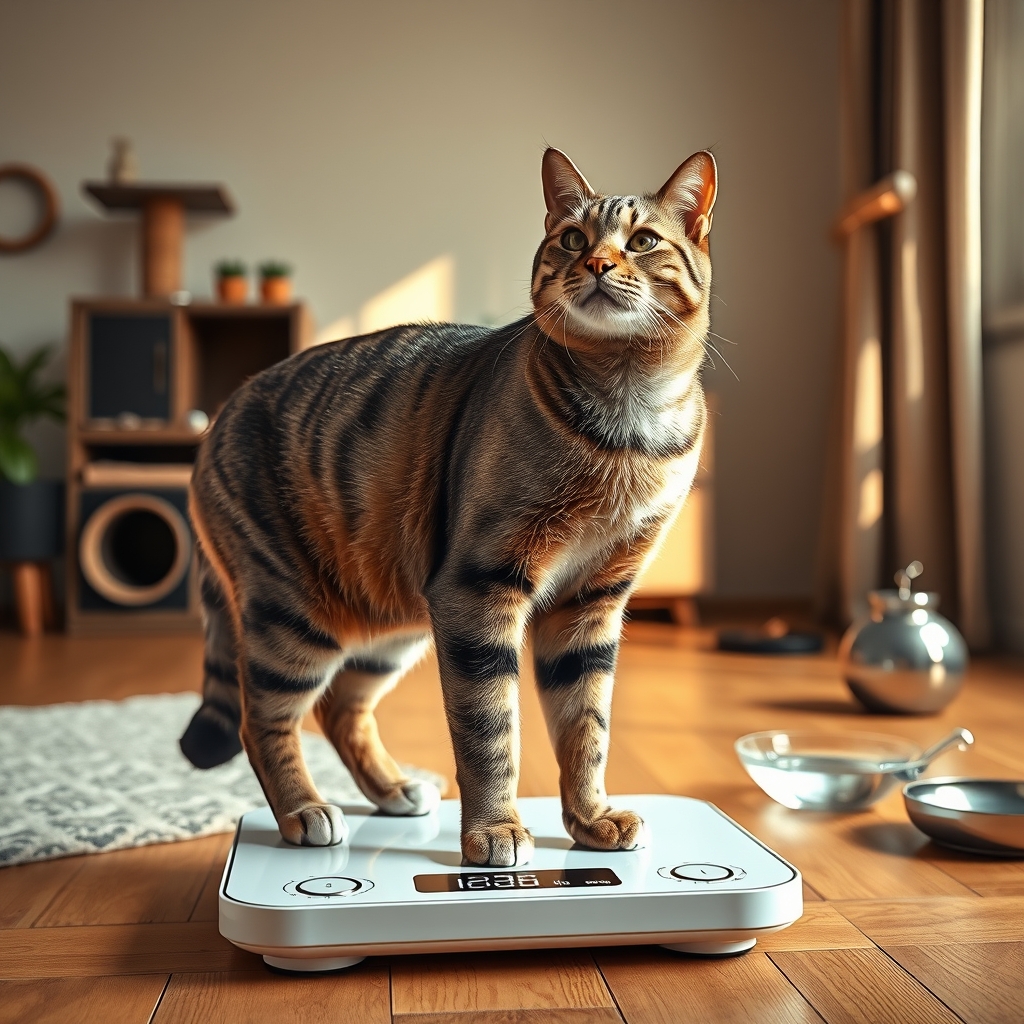
Weight loss in cats should be gradual. Aim for a loss of about 1-2% of their body weight per week. Rapid weight loss can be dangerous and may lead to serious health issues like hepatic lipidosis, a life-threatening liver condition. Regular weigh-ins, either at home or at the vet’s office, can help you track your cat’s progress and make adjustments to their diet or exercise plan as needed.
Celebrate small victories along the way. Whether it’s your cat showing more energy during playtime or fitting into their favorite bed again, these milestones are worth acknowledging. Weight management is a journey, not a sprint, and every step forward is a step toward a healthier, happier life for your feline companion.
Helping your cat maintain a healthy weight is one of the most loving things you can do as a pet owner. It’s not just about extending their lifespan—it’s about enhancing their quality of life, ensuring they remain active, playful, and full of vitality. With patience, consistency, and a little creativity, you can make weight management a positive experience for both you and your cat, setting the stage for years of shared joy and companionship.