The Purr-fect Bite: A Comprehensive Guide to Feline Dental Health and Its Impact on Overall Wellness
When we think about our cats’ health, we often focus on their diet, exercise, and regular check-ups. However, one aspect that frequently gets overlooked is feline dental health. Just like in humans, a cat’s oral hygiene plays a crucial role in their overall well-being. Neglecting dental care can lead to a host of problems, from bad breath and tooth loss to more severe issues like heart and kidney disease. This guide will delve into the importance of feline dental health, how to maintain it, and the signs that indicate your cat might need professional care.
The Hidden Dangers of Poor Dental Health
Dental disease is one of the most common health issues in cats, with studies suggesting that over 50% of cats over the age of four suffer from some form of dental problem. The most prevalent condition is periodontal disease, which begins with the buildup of plaque and tartar on the teeth. If left untreated, this can lead to gingivitis, an inflammation of the gums that causes redness, swelling, and bleeding. As the disease progresses, it can result in tooth loss and even affect the underlying bone structure.
But the consequences of poor dental health don’t stop at the mouth. Bacteria from dental infections can enter the bloodstream and travel to vital organs, leading to serious conditions such as endocarditis (inflammation of the heart’s inner lining) and kidney disease. This is why maintaining your cat’s dental health is not just about fresh breath and strong teeth—it’s about safeguarding their overall health and longevity.
Recognizing the Signs of Dental Problems
Cats are masters at hiding discomfort, so it’s essential to be vigilant for signs of dental issues. Some common symptoms include:
- Bad breath: While cat breath isn’t expected to smell minty fresh, an unusually foul odor can indicate dental disease or infection.
- Difficulty eating: If your cat is dropping food, chewing on one side of their mouth, or showing reluctance to eat, it could be a sign of dental pain.
- Red or bleeding gums: Healthy gums should be pink, not red or swollen. Bleeding gums are a clear sign of gingivitis or periodontal disease.
- Excessive drooling: While some drooling can be normal, especially in certain breeds, excessive drooling may indicate oral discomfort.
- Visible tartar or discoloration: Yellow or brown buildup on the teeth, particularly near the gum line, is a sign of tartar accumulation.
- Pawing at the mouth: If your cat frequently paws at their mouth or face, it could be a sign of dental pain or irritation.
If you notice any of these symptoms, it’s crucial to schedule a visit to the veterinarian. Early intervention can prevent minor issues from escalating into serious health problems.
Daily Dental Care: A Proactive Approach
Preventing dental disease in cats starts with a proactive approach to oral hygiene. While it may seem daunting at first, establishing a daily dental care routine can make a world of difference. Here are some steps you can take to keep your cat’s teeth and gums healthy:
Brushing Your Cat’s Teeth
Brushing your cat’s teeth is the gold standard for dental care. While it may take some time for your cat to get used to the process, it’s one of the most effective ways to remove plaque and prevent tartar buildup. Use a cat-specific toothbrush and toothpaste—never use human toothpaste, as it can be toxic to cats. Start slowly, allowing your cat to taste the toothpaste and get comfortable with the brush. Gradually work up to brushing a few teeth at a time, eventually covering the entire mouth. Aim for a daily brushing routine, but even a few times a week can make a significant difference.
Dental Treats and Diets
If brushing your cat’s teeth proves challenging, dental treats and specially formulated diets can be a great alternative. These products are designed to reduce plaque and tartar buildup through mechanical action or enzymatic activity. Look for treats and foods that have the Veterinary Oral Health Council (VOHC) seal of approval, as these have been scientifically proven to support dental health. However, keep in mind that while these products can help, they should not replace regular brushing or professional cleanings.
Water Additives and Oral Rinses
Water additives and oral rinses are another tool in the dental care arsenal. These products are added to your cat’s water bowl or applied directly to their teeth and gums. They work by reducing bacteria in the mouth and freshening breath. While they are not a substitute for brushing, they can be a helpful addition to your cat’s dental care routine, especially for cats that are resistant to brushing.
Regular Veterinary Check-Ups
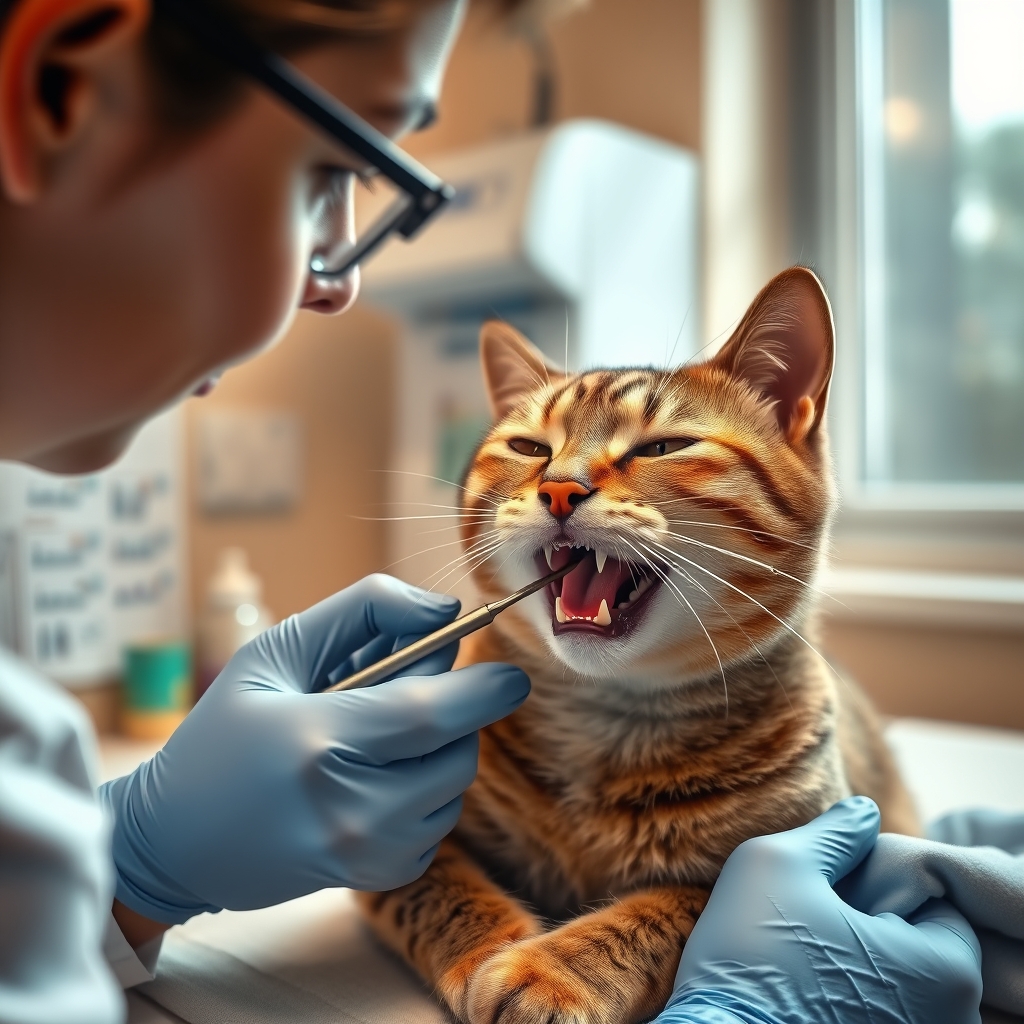
Even with the best at-home care, professional dental cleanings are essential for maintaining your cat’s oral health. During a dental cleaning, your veterinarian will perform a thorough examination of your cat’s mouth, take dental X-rays if necessary, and clean above and below the gum line to remove plaque and tartar. These cleanings are typically done under anesthesia to ensure your cat’s comfort and safety. The frequency of professional cleanings will depend on your cat’s individual needs, but most cats benefit from a cleaning at least once a year.
Choosing the Right Dental Products
With so many dental products on the market, it can be overwhelming to choose the right ones for your cat. Here are some tips to help you make informed decisions:
- Look for the VOHC seal: Products with the Veterinary Oral Health Council seal have been tested and proven to be effective in reducing plaque and tartar.
- Consult your veterinarian: Your vet can recommend products that are best suited to your cat’s specific needs, especially if your cat has existing dental issues.
- Avoid human products: Never use human toothpaste, mouthwash, or dental products on your cat, as they can contain ingredients that are toxic to felines.
- Consider your cat’s preferences: Some cats prefer certain textures or flavors, so it may take some trial and error to find products that your cat enjoys.
The Role of Diet in Dental Health
Diet plays a significant role in your cat’s dental health. While dry food is often touted as being better for dental health than wet food, the reality is more nuanced. Dry kibble can help reduce plaque buildup through mechanical action, but it’s not a substitute for brushing or professional cleanings. Additionally, some cats may not chew their kibble thoroughly, reducing its effectiveness in cleaning the teeth.
Wet food, on the other hand, can be beneficial for cats with dental issues, as it is easier to eat and less likely to cause discomfort. However, it doesn’t provide the same mechanical cleaning action as dry food. Ultimately, the best diet for your cat’s dental health is one that meets their nutritional needs while also supporting their oral hygiene. If you’re unsure about the best diet for your cat, consult your veterinarian for personalized advice.
Taking care of your cat’s dental health is a lifelong commitment that requires consistency and attention to detail. By incorporating daily dental care into your routine, scheduling regular veterinary check-ups, and being mindful of the signs of dental disease, you can help ensure that your feline friend enjoys a lifetime of strong teeth, healthy gums, and overall well-being. The effort you put into their dental care today will pay off in the form of a happier, healthier cat tomorrow, and that’s a reward worth smiling about—even if your cat can’t smile back.