
The Art of Feline Dental Care: A Complete Guide to Keeping Your Cat’s Teeth Healthy
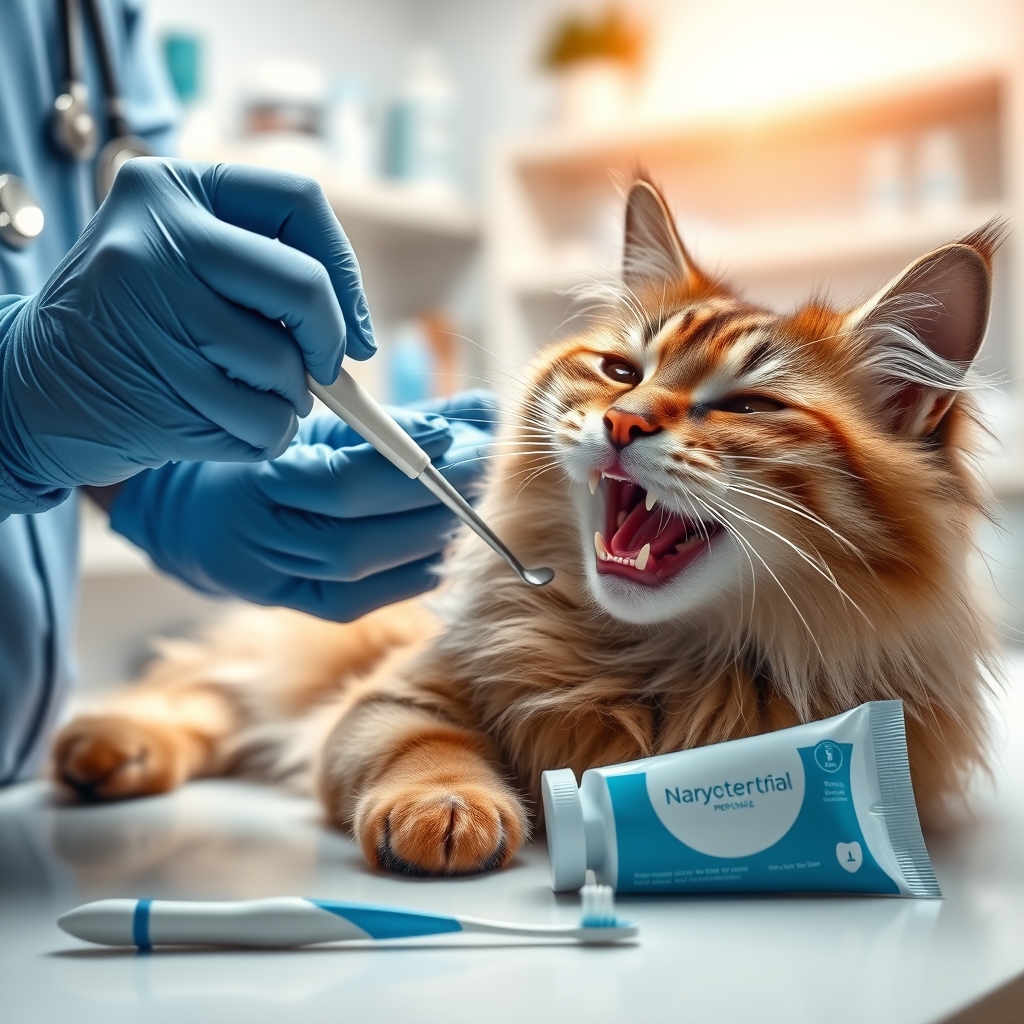
Oral health is one of the most overlooked aspects of cat care, yet it plays a crucial role in your feline’s overall well-being. Just like humans, cats can suffer from plaque buildup, gingivitis, and periodontal disease, which can lead to pain, tooth loss, and even systemic infections if left untreated. Many pet owners assume that bad breath is normal for cats, but it’s often the first sign of dental issues. By understanding the basics of feline dental care, you can help your cat maintain a healthy mouth and a happier life.
The Silent Threat: Common Dental Problems in Cats
Cats are masters at hiding discomfort, which means dental problems can progress significantly before any visible symptoms appear. Some of the most common issues include:
Plaque and Tartar Buildup
Plaque, a sticky film of bacteria, forms on teeth within hours of eating. If not removed, it hardens into tartar, which can only be eliminated through professional cleaning. Tartar buildup irritates the gums, leading to inflammation and gingivitis.
Gingivitis
Gingivitis is the early stage of gum disease, characterized by red, swollen gums that may bleed easily. While reversible with proper care, untreated gingivitis can progress to periodontitis, a more severe condition that damages the tissues and bones supporting the teeth.
Periodontal Disease
This advanced stage of gum disease affects up to 70% of cats by the age of three. It causes chronic pain, tooth loss, and can even spread bacteria to vital organs like the heart, liver, and kidneys. Symptoms include drooling, difficulty eating, pawing at the mouth, and a sudden preference for soft food.
Tooth Resorption
A painful condition where the tooth structure breaks down, often starting below the gum line. It’s one of the most common dental issues in cats, with studies suggesting that up to 60% of felines over the age of six are affected. Unfortunately, the cause remains unknown, making prevention and early detection critical.
Daily Habits for a Healthy Cat Smile
Preventing dental problems starts at home with a consistent oral care routine. While it may take time for your cat to adjust, patience and positive reinforcement can make the process smoother.
Brushing Your Cat’s Teeth
Yes, you read that right—brushing your cat’s teeth is the gold standard for dental care. Use a cat-specific toothbrush or a finger brush and enzymatic toothpaste designed for felines (never human toothpaste, as it contains ingredients toxic to cats). Start slowly, allowing your cat to taste the toothpaste and get used to the sensation. Gradually work up to brushing a few teeth at a time, focusing on the outer surfaces where plaque tends to accumulate. Aim for at least three times a week, though daily brushing is ideal.
Dental Wipes and Gels
If your cat resists brushing, dental wipes or gels can be a good alternative. These products help reduce plaque and freshen breath. Simply wrap a wipe around your finger and gently rub it along your cat’s teeth and gums, or apply a small amount of gel to their teeth.
Dental Treats and Diets
Specially formulated dental treats and kibble can help scrape away plaque as your cat chews. Look for products approved by the Veterinary Oral Health Council (VOHC), which meet specific standards for reducing plaque and tartar. While these aren’t a substitute for brushing, they can complement your cat’s dental care routine.
Professional Care: When to See a Vet
Even with the best at-home care, professional dental cleanings are essential for maintaining your cat’s oral health. Most veterinarians recommend annual cleanings, though senior cats or those with existing dental issues may need more frequent visits. During a professional cleaning, your cat will be placed under anesthesia to allow for a thorough examination, scaling, and polishing of the teeth. X-rays may also be taken to check for hidden problems like tooth resorption or bone loss.
Regular vet checkups are also an opportunity to discuss any concerns, such as changes in eating habits, bad breath, or drooling. Early intervention can prevent minor issues from becoming major health problems.
Enrichment and Diet: Supporting Dental Health
Your cat’s diet and environment play a significant role in their dental health. Feeding high-quality, crunchy kibble can help reduce plaque buildup, though wet food is often recommended for cats with specific health needs. Avoid feeding table scraps, especially sugary or starchy foods, as these can contribute to dental decay.
Interactive toys and chew treats designed to promote dental health can also keep your cat engaged while supporting their oral hygiene. Look for toys made from durable, non-toxic materials that encourage chewing, such as rubber or nylon. Puzzle feeders can also slow down eating, reducing the risk of plaque formation.
Taking care of your cat’s teeth might seem like a daunting task, but the effort is well worth it. A healthy mouth means a happier, more comfortable cat, and it can even extend their lifespan by preventing serious health complications. Start small, be consistent, and don’t hesitate to reach out to your vet for guidance. With the right approach, dental care can become a seamless part of your cat’s routine, ensuring they stay purring and playful for years to come.