
The Ultimate Guide to Feline Dental Health: Keeping Your Cat’s Teeth Sparkling and Strong
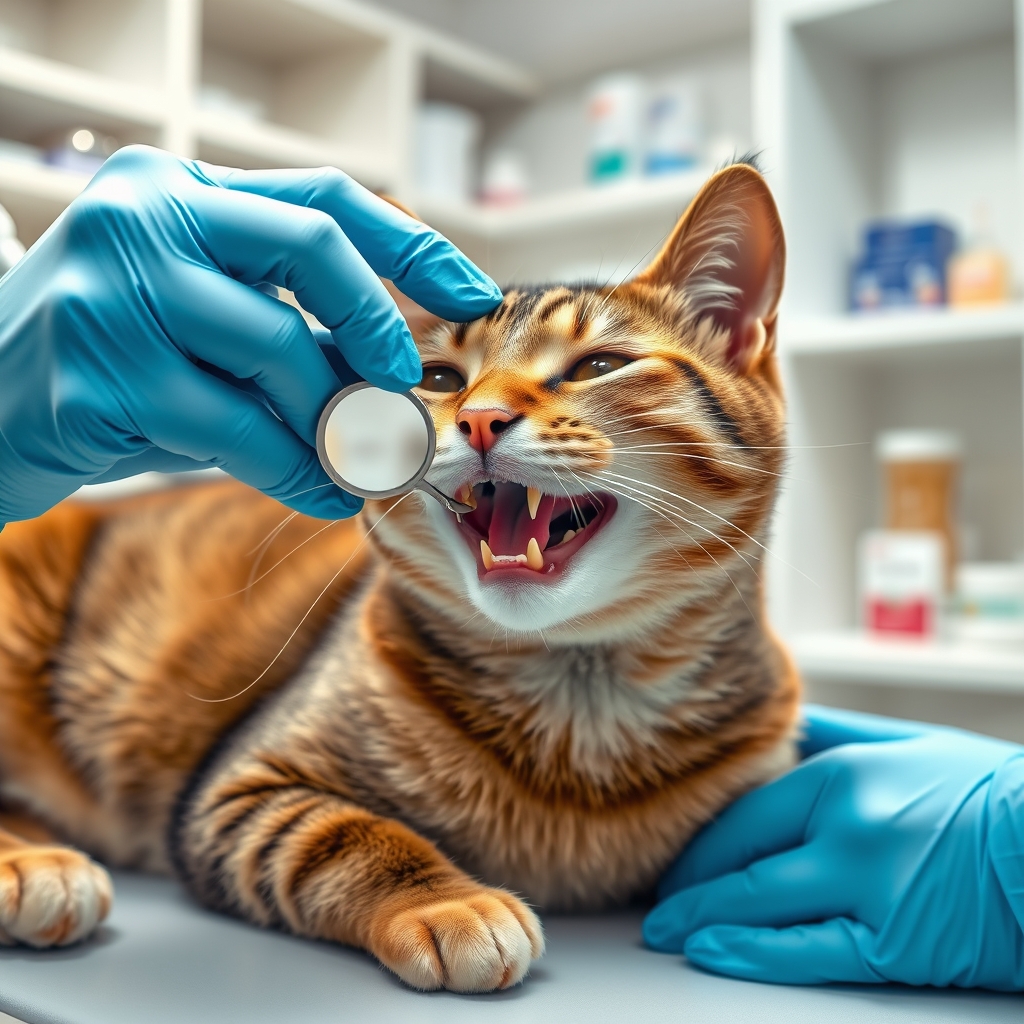
Oral health is one of the most overlooked aspects of cat care, yet it plays a crucial role in your feline friend’s overall well-being. Just like humans, cats can suffer from plaque buildup, gingivitis, and periodontal disease, which, if left untreated, can lead to pain, tooth loss, and even systemic infections. The good news? With the right knowledge and tools, you can prevent these issues and ensure your cat maintains a healthy, pain-free mouth for years to come.
The Silent Threat: Why Feline Dental Health Matters
Many cat owners assume that bad breath is just a normal part of having a pet, but it’s often the first sign of dental disease. According to veterinary studies, over 70% of cats show signs of oral health problems by the age of three. These issues don’t just affect their teeth—they can impact their heart, liver, and kidneys as bacteria from the mouth enter the bloodstream. Recognizing the early signs, such as drooling, difficulty eating, or red, swollen gums, can make all the difference in catching problems before they escalate.
Common Dental Problems in Cats
Feline dental issues range from mild to severe, and understanding them is the first step toward prevention. The most common problems include:
- Plaque and Tartar Buildup: A sticky film of bacteria that hardens into tartar if not removed, leading to gum irritation.
- Gingivitis: Inflammation of the gums, often caused by plaque, which can progress to more serious periodontal disease.
- Periodontal Disease: A severe infection that damages the tissues and bones supporting the teeth, potentially leading to tooth loss.
- Tooth Resorption: A painful condition where a cat’s body begins to break down and absorb the structure of the tooth, often requiring extraction.
- Stomatitis: A severe, chronic inflammation of the mouth’s soft tissues, which can be debilitating and difficult to treat.
Prevention: The Key to a Healthy Mouth
The best way to combat dental disease is through prevention. While some cats are genetically predisposed to oral health issues, most problems can be avoided with a consistent care routine. Here’s how you can keep your cat’s teeth in top shape:
1. Regular Brushing: The Gold Standard
Brushing your cat’s teeth might sound daunting, but with patience and the right tools, it can become a bonding experience. Use a cat-specific toothbrush and enzymatic toothpaste (never human toothpaste, as it contains ingredients toxic to cats). Start slowly, allowing your cat to taste the toothpaste and get used to the sensation of the brush. Aim for a few seconds at first, gradually increasing the time as your cat becomes more comfortable. Ideally, brushing should be done 2-3 times a week, though daily is best for optimal results.
2. Dental-Friendly Diet and Treats
What your cat eats plays a significant role in their dental health. Dry kibble is often touted as better for teeth than wet food because the crunchy texture can help scrape away plaque. However, not all dry foods are created equal—look for products with the Veterinary Oral Health Council (VOHC) seal, which indicates they meet specific standards for reducing plaque and tartar. Dental treats and chews designed to clean teeth can also be a helpful addition to your cat’s routine, but they should complement, not replace, brushing.
3. Water Additives and Oral Rinses
For cats who resist brushing, water additives and oral rinses can be a convenient alternative. These products contain enzymes or antimicrobial agents that help reduce bacteria in the mouth. Simply add them to your cat’s water bowl daily, and they’ll work passively to freshen breath and combat plaque. While not as effective as brushing, they’re a great option for maintaining oral health between vet visits.
4. Professional Cleanings: When to See the Vet
Even with the best at-home care, professional dental cleanings are essential for keeping your cat’s mouth healthy. These cleanings, performed under anesthesia, allow the vet to thoroughly remove tartar, polish teeth, and check for any underlying issues. Most cats need a professional cleaning once a year, though senior cats or those with existing dental problems may require more frequent visits. Your vet can also take dental X-rays to identify hidden problems, such as tooth resorption or infections below the gum line.
Recognizing the Signs of Dental Pain
Cats are masters at hiding discomfort, so it’s important to be vigilant for subtle signs of dental pain. Some red flags include:
- Pawing at the mouth or face
- Dropping food while eating or favoring one side of the mouth
- Excessive drooling or blood in the saliva
- Reluctance to eat hard food or treats
- A sudden change in behavior, such as increased irritability or withdrawal
- Visible tartar, red gums, or broken teeth
If you notice any of these signs, schedule a vet visit as soon as possible. Dental pain can significantly impact your cat’s quality of life, and early intervention can prevent more serious complications.
Beyond the Basics: Advanced Care for Senior Cats
As cats age, their dental needs evolve. Senior cats are more prone to tooth loss, gum disease, and oral tumors, making regular dental care even more critical. In addition to maintaining a consistent oral hygiene routine, consider the following for your older feline:
Softer Food Options
If your senior cat has missing teeth or sensitive gums, they may struggle with hard kibble. Switching to wet food or soaking dry food in water can make mealtime more comfortable. There are also specially formulated senior cat foods designed to support dental health while being gentle on aging teeth.
Supplements for Oral Health
Certain supplements can support your cat’s dental health from the inside out. Omega-3 fatty acids, for example, have anti-inflammatory properties that can help reduce gum inflammation. Probiotics can also promote a healthy balance of bacteria in the mouth, reducing the risk of infections. Always consult your vet before adding any supplements to your cat’s diet to ensure they’re safe and appropriate for your pet’s needs.
Regular Vet Checkups
Senior cats should see the vet at least twice a year for comprehensive checkups, including a thorough dental examination. These visits are an opportunity to catch and address any emerging issues before they become serious. Your vet may also recommend more frequent professional cleanings or specialized treatments, such as antibiotics for infections or pain management for chronic conditions.
Taking care of your cat’s teeth is one of the most important things you can do to ensure their long-term health and happiness. While it may require some effort and patience, the rewards—a pain-free, healthy mouth and a happier cat—are well worth it. Start small, stay consistent, and don’t hesitate to reach out to your vet for guidance. Your cat’s smile (and their overall well-being) will thank you for it.