
The Whiskered Guardian: How Flea Prevention and Dental Care Shape Your Cat’s Lifelong Vitality
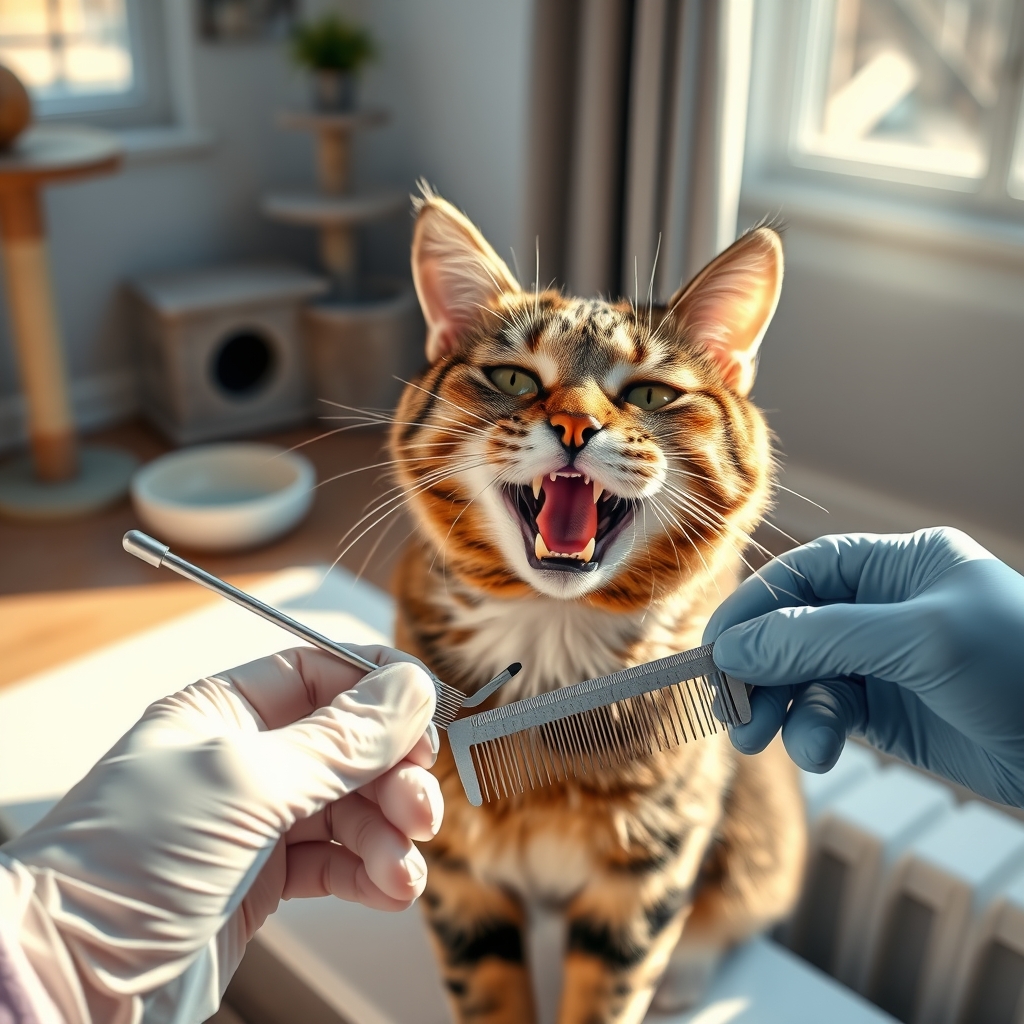
When you bring a cat into your home, you’re not just adopting a pet—you’re welcoming a tiny, whiskered guardian who will rely on you for every aspect of their well-being. Among the many responsibilities of cat ownership, two often-overlooked pillars of feline health stand out: flea prevention and dental care. These aren’t just routine tasks; they’re the silent protectors of your cat’s vitality, ensuring they live a life free from discomfort, disease, and preventable suffering. Yet, many cat owners underestimate their importance until a problem arises. By then, the damage may already be done.
The Invisible Threat: Why Flea Prevention is Non-Negotiable
Fleas are more than just an itchy nuisance—they’re a gateway to a host of health issues that can compromise your cat’s quality of life. A single flea can lay up to 50 eggs a day, turning a minor infestation into a full-blown crisis in a matter of weeks. But the real danger lies in what these tiny parasites carry. Fleas are known vectors for tapeworms, which can infect your cat if they ingest an infected flea during grooming. They can also transmit bacterial infections like Bartonella, the culprit behind “cat scratch disease,” which can affect both felines and humans.
For indoor cats, the risk might seem lower, but fleas are relentless hitchhikers. They can latch onto clothing, shoes, or even other pets, making their way into your home undetected. Once inside, they thrive in carpets, furniture, and bedding, turning your sanctuary into a flea breeding ground. The key to prevention? Consistency. Topical treatments, oral medications, and flea collars are all effective, but they must be administered regularly, year-round. Skipping a dose or opting for “natural” remedies without scientific backing can leave your cat vulnerable. When it comes to fleas, an ounce of prevention truly is worth a pound of cure.
Choosing the Right Flea Prevention Method
Not all flea prevention products are created equal. Some cats may have sensitivities to certain ingredients, while others may require a specific formulation based on their age, weight, or health status. Topical treatments like Revolution Plus or Advantage Multi are popular for their ease of use and broad-spectrum protection, covering not just fleas but also ticks, heartworms, and intestinal parasites. Oral medications like Comfortis or Capstar offer fast-acting relief and are ideal for cats who dislike topical applications. Flea collars, such as Seresto, provide long-lasting protection—up to eight months—but should be fitted properly to avoid discomfort.
Before choosing a product, consult your veterinarian. They can recommend the safest and most effective option for your cat’s unique needs, taking into account any pre-existing conditions or potential drug interactions. Remember, what works for one cat may not work for another, and human-grade flea treatments should never be used on felines, as they can be toxic.
The Overlooked Foundation: Feline Dental Care
If fleas are the silent invaders, dental disease is the silent saboteur of feline health. By the age of three, an estimated 70% of cats show signs of dental disease, which can lead to pain, tooth loss, and even systemic infections if left untreated. The problem? Cats are masters at hiding discomfort. A cat with a painful mouth may still eat, purr, and play, leaving owners unaware of the suffering beneath the surface. Over time, untreated dental issues can progress to periodontal disease, where bacteria from the mouth enter the bloodstream, potentially damaging the heart, liver, and kidneys.
The good news is that dental disease is largely preventable with a proactive approach. Brushing your cat’s teeth is the gold standard of dental care, but it’s not always feasible for every cat or owner. If your cat resists brushing, don’t despair—there are alternatives. Dental treats, water additives, and specially formulated kibbles can help reduce plaque and tartar buildup. Products like Greenies or Purina Dentalife are designed to mechanically scrub the teeth as your cat chews, while water additives like TropiClean Fresh Breath work to freshen breath and inhibit bacterial growth.
Professional Care: The Role of Veterinary Dentistry
Even with at-home care, professional dental cleanings are essential for maintaining your cat’s oral health. Unlike human teeth, which can be cleaned with a simple scrape, feline dental cleanings require anesthesia to safely and thoroughly remove plaque and tartar from below the gumline. During a professional cleaning, your veterinarian will also check for signs of oral cancer, fractured teeth, or other abnormalities that may require treatment.
Many cat owners hesitate to schedule dental cleanings due to the cost or the risks associated with anesthesia. However, the long-term benefits far outweigh the temporary discomfort. A cat with a healthy mouth is more likely to eat comfortably, maintain a healthy weight, and avoid costly and painful dental surgeries down the line. If anesthesia is a concern, discuss pre-anesthetic bloodwork and monitoring options with your vet to ensure your cat’s safety.
Building a Routine: Flea Prevention and Dental Care in Harmony
Flea prevention and dental care may seem like unrelated aspects of cat ownership, but they share a common thread: consistency. Both require regular attention and a proactive mindset. The best way to integrate these practices into your cat’s routine is to pair them with other regular activities. For example, administer flea prevention on the same day each month, such as the first of the month, to create a habit. Similarly, incorporate dental care into your cat’s daily or weekly routine, whether it’s brushing their teeth after dinner or offering a dental treat as part of their evening ritual.
It’s also important to monitor your cat for any signs of trouble. For fleas, watch for excessive scratching, hair loss, or tiny black specks (flea dirt) in their fur. For dental issues, keep an eye out for bad breath, drooling, pawing at the mouth, or a sudden disinterest in hard food. Early intervention can prevent minor issues from becoming major problems, saving your cat from unnecessary pain and you from costly vet bills.
As a cat owner, your role is to be the guardian of their well-being, anticipating their needs before they arise. Flea prevention and dental care are not just tasks to check off a list—they’re acts of love that protect your cat’s health, happiness, and longevity. By making these practices a non-negotiable part of your cat’s routine, you’re not just preventing disease; you’re giving them the gift of a life lived to the fullest, free from the invisible burdens that so many cats silently endure. In the end, the bond you share with your feline companion is built on trust, and there’s no greater trust than knowing you’re doing everything in your power to keep them safe, healthy, and thriving.