Paws and Reflect: The Ultimate Guide to Senior Cat Care for a Golden Life
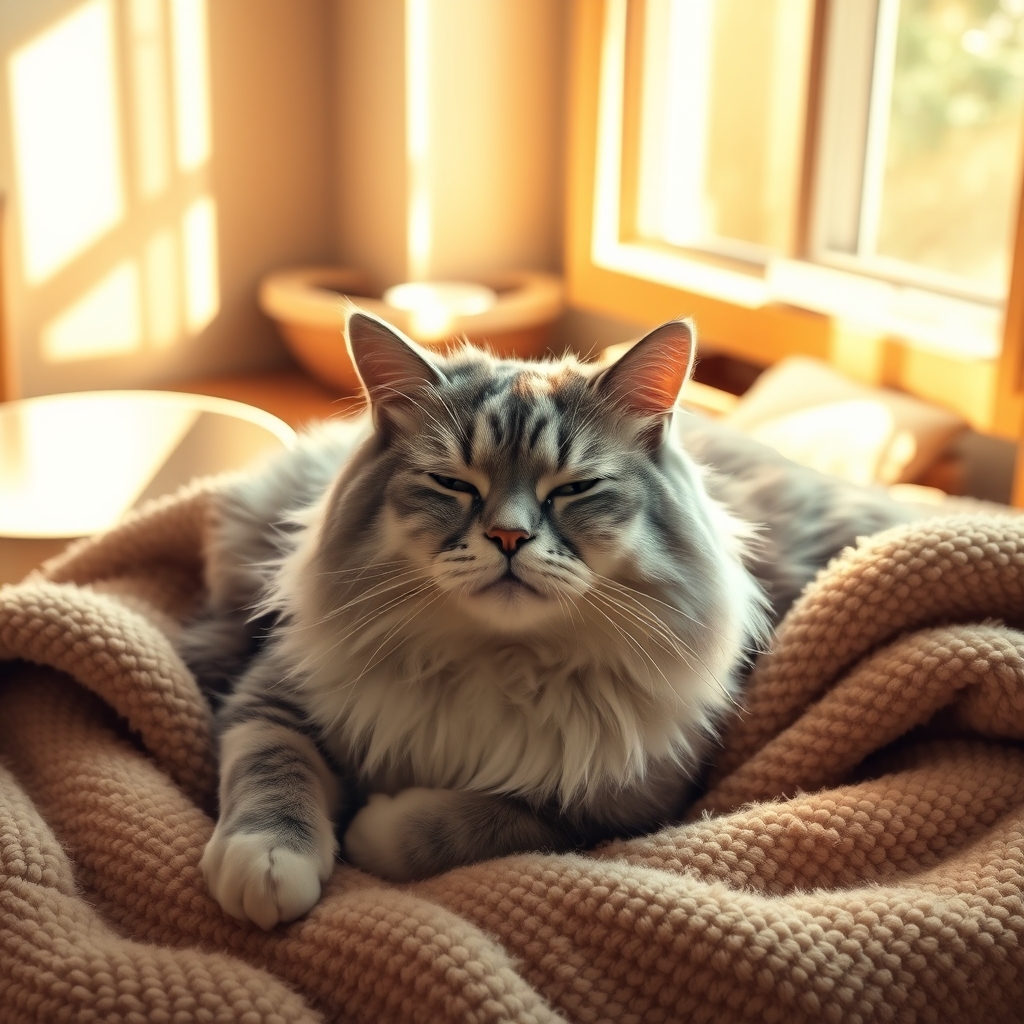
As our feline companions age, their needs evolve, requiring a thoughtful and proactive approach to ensure their golden years are filled with comfort, health, and happiness. Senior cats, typically those over the age of seven, undergo physiological changes that can impact their mobility, dietary requirements, and overall well-being. Understanding these changes and adapting their care routine is essential for any devoted cat owner. This guide will walk you through the key aspects of senior cat care, from nutrition and health monitoring to creating a nurturing environment that supports their unique needs.
The Aging Feline: Recognizing the Signs
Aging in cats is often subtle, with changes occurring gradually over time. Unlike humans, cats are masters at masking discomfort, making it crucial for owners to stay vigilant. Common signs of aging include reduced mobility, such as stiffness or reluctance to jump, changes in weight—either gain or loss—and alterations in grooming habits. You might notice your cat sleeping more, becoming less active, or even displaying shifts in behavior, such as increased vocalization or confusion. Dental issues, such as bad breath or difficulty eating, can also signal underlying health problems. Recognizing these signs early allows for timely intervention, ensuring your senior cat maintains a high quality of life.
Nutrition Tailored for Senior Cats
Diet plays a pivotal role in supporting the health of an aging cat. As metabolism slows and activity levels decrease, senior cats require a diet that is lower in calories but rich in high-quality protein to maintain muscle mass. Look for cat food formulas specifically designed for seniors, which often include added nutrients like omega-3 fatty acids for joint health and antioxidants to support immune function. Hydration is equally important, as older cats are prone to kidney issues. Wet food can be an excellent way to increase water intake, while fresh water should always be readily available. Consulting with your veterinarian can help you choose the best diet plan, as individual needs may vary based on health conditions such as diabetes or kidney disease.
Health Monitoring and Veterinary Care
Regular veterinary checkups become even more critical as your cat ages. Senior cats should visit the vet at least twice a year for comprehensive exams, including blood work, urinalysis, and dental evaluations. These visits can help detect early signs of common age-related conditions like arthritis, hyperthyroidism, or kidney disease. Vaccinations and parasite prevention should also be kept up to date, as senior cats may have a weakened immune system. Additionally, consider investing in cat health insurance to help manage the costs of potential medical treatments, providing peace of mind for both you and your feline friend.
Creating a Comfortable and Enriching Environment
Adapting your home to suit your senior cat’s changing needs can significantly enhance their quality of life. Start by ensuring their essentials—food, water, and litter boxes—are easily accessible. Older cats may struggle with mobility, so consider placing litter boxes on each floor of your home and using low-sided boxes for easier entry. Soft bedding in warm, quiet areas can provide comfort, while ramps or steps can help them reach their favorite spots without straining their joints. Mental stimulation remains important, even for senior cats. Gentle play sessions with interactive toys or puzzle feeders can keep their minds sharp and prevent cognitive decline.
Managing Mobility and Pain
Arthritis is a common issue in senior cats, often leading to reduced mobility and discomfort. If you notice your cat struggling to climb stairs, jump, or groom themselves, it may be time to explore pain management options. Your veterinarian can recommend safe and effective treatments, such as anti-inflammatory medications or joint supplements like glucosamine and chondroitin. Gentle massage and physical therapy can also provide relief, while keeping your cat at a healthy weight reduces stress on their joints. Providing a cozy, warm space to rest can further alleviate discomfort, ensuring your cat remains active and engaged.
Behavioral Changes and Emotional Well-being
Aging can bring about behavioral changes in cats, some of which may be linked to underlying medical issues. Increased vocalization, disorientation, or litter box accidents could indicate conditions like cognitive dysfunction syndrome (CDS), which is similar to dementia in humans. Environmental enrichment, such as introducing new toys or creating safe outdoor spaces (like a catio), can help stimulate their senses and reduce anxiety. Pheromone diffusers or calming supplements may also be beneficial for cats experiencing stress or confusion. Above all, patience and understanding are key—your senior cat may need extra love and reassurance as they navigate this stage of life.
Grooming and Hygiene for Senior Cats
As cats age, they may struggle with grooming due to reduced flexibility or arthritis, leading to matted fur or skin issues. Regular brushing can help remove loose hair and prevent tangles, while also providing an opportunity to check for lumps, bumps, or parasites. A cat grooming kit with soft brushes and gentle wipes can make this process easier for both you and your cat. Dental care is another critical aspect of senior cat hygiene. Brushing your cat’s teeth regularly or providing dental treats can help prevent periodontal disease, which is common in older cats. If your cat resists grooming, consider scheduling professional grooming sessions to keep them comfortable and clean.
Caring for a senior cat is a rewarding experience that deepens the bond between you and your feline companion. By staying attuned to their changing needs and providing a nurturing environment, you can help them enjoy their golden years with dignity and joy. Whether it’s adjusting their diet, creating a cozy space, or simply spending quality time together, every small effort contributes to a happier, healthier life for your beloved pet. The love and care you invest in their well-being will be returned tenfold in the form of purrs, cuddles, and the quiet contentment of a cat who knows they are cherished.