
From Fluff to Fabulous: The Ultimate Guide to Cat Grooming Brushes for a Healthier, Happier Feline
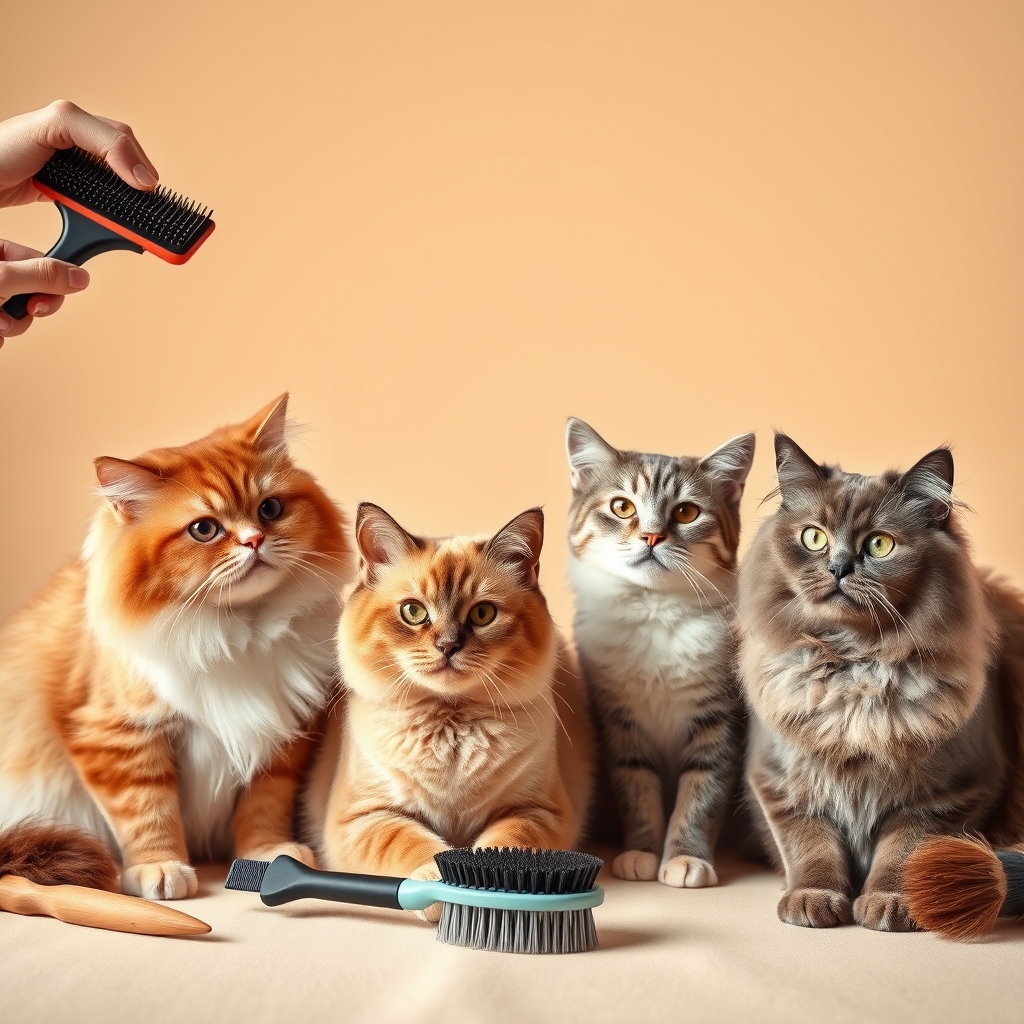
Every cat owner knows the joy of watching their feline companion meticulously groom themselves. That tiny pink tongue, the careful licks, the contorted positions—it’s a ritual that speaks to their wild ancestry. Yet, as much as cats are self-sufficient, their grooming routine often needs a helping hand, especially for long-haired breeds or those prone to shedding. The right cat grooming brush isn’t just a tool; it’s a gateway to a healthier coat, reduced hairballs, and a deeper bond between you and your pet. But with so many options on the market, how do you choose the one that’s perfect for your feline friend?
The Science Behind Feline Coat Care
A cat’s coat is more than just fur—it’s a complex ecosystem. Each hair follicle is connected to sebaceous glands that secrete oils to keep the skin moisturized and the fur waterproof. When a cat grooms itself, it spreads these oils evenly, maintaining a shiny, healthy coat. However, factors like age, diet, and breed can disrupt this natural process. For instance, older cats may struggle with flexibility, making it harder to reach certain areas, while long-haired breeds like Persians or Maine Coons are prone to matting and tangles. This is where grooming brushes come into play, acting as an extension of your cat’s natural grooming behavior.
Regular brushing does more than just detangle fur. It stimulates blood circulation, distributes natural oils, and removes dead hair before it can be ingested during self-grooming, which is a leading cause of hairballs. Studies have shown that cats who are brushed regularly experience fewer digestive issues and skin irritations. Moreover, the act of brushing can be a soothing experience for cats, mimicking the social grooming behaviors they’d exhibit in a colony. It’s a moment of connection that reinforces trust and reduces stress.
Decoding the Brush Aisle: Which Type is Right for Your Cat?
Not all grooming brushes are created equal, and the best choice depends on your cat’s coat type, length, and temperament. Here’s a breakdown of the most popular options:
Slicker Brushes
These brushes feature fine, short wires close together, making them ideal for removing loose fur and detangling mats in medium to long-haired cats. They’re particularly effective for breeds like Ragdolls or Norwegian Forest Cats, whose thick undercoats can become a breeding ground for knots. However, slicker brushes can be too harsh for cats with sensitive skin, so it’s important to use them gently and avoid pressing too hard.
Bristle Brushes
With soft, natural bristles, these brushes are perfect for short-haired cats like Siamese or British Shorthairs. They help distribute natural oils, leaving the coat shiny and smooth. Bristle brushes are also great for cats who dislike the sensation of metal bristles, as they provide a more gentle grooming experience. For best results, opt for brushes with densely packed bristles to ensure thorough coverage.
Rubber Brushes or Gloves
If your cat is skittish or resistant to traditional brushes, a rubber brush or grooming glove might be the solution. These tools mimic the feel of petting, making them less intimidating for nervous cats. They’re excellent for removing loose fur during shedding season and can even double as a massage tool, promoting relaxation. Rubber brushes are particularly useful for short-haired breeds or cats with sensitive skin, as they’re gentle and non-abrasive.
De-shedding Tools
For cats that shed excessively, de-shedding tools like the Furminator can be a game-changer. These brushes feature a stainless steel edge that reaches deep into the undercoat to remove loose hair before it can shed around your home. While highly effective, they should be used sparingly—once a week is usually sufficient—to avoid irritating the skin. They’re best suited for breeds with dense undercoats, such as Siberians or Himalayans.
Combination Brushes
These versatile tools combine bristles and pins, offering the benefits of both in one. They’re a great all-in-one solution for cats with medium-length coats or those who enjoy variety in their grooming routine. Combination brushes can detangle, smooth, and remove loose fur, making them a practical choice for multi-cat households.
Grooming Like a Pro: Tips for a Stress-Free Experience
Introducing a grooming brush to your cat’s routine should be a gradual process, especially if they’re not used to being handled. Start by letting your cat sniff the brush to familiarize themselves with it. Associate the brush with positive experiences by offering treats or praise during and after each session. Keep the first few sessions short—just a minute or two—and gradually increase the duration as your cat becomes more comfortable.
Pay attention to your cat’s body language. If they start to squirm, flatten their ears, or flick their tail, it’s a sign they’ve had enough. Forcing the issue can create negative associations with grooming, making future sessions more challenging. Instead, end on a positive note and try again later. For cats who are particularly resistant, consider breaking up the grooming into smaller sessions throughout the day, focusing on one area at a time.
It’s also important to groom in the direction of the fur’s growth, using gentle, long strokes. Avoid pulling or tugging at mats, as this can be painful and damage the skin. If you encounter a stubborn tangle, use a detangling spray or work it out slowly with your fingers before attempting to brush it. For severe mats, it’s best to consult a professional groomer to avoid causing discomfort or injury.
Beyond the Brush: Complementary Grooming Tools
While a grooming brush is the cornerstone of feline coat care, other tools can enhance the experience. A high-quality pair of grooming scissors is essential for trimming fur around sensitive areas like the paws or face. Look for scissors with rounded tips to prevent accidental nicks. Nail clippers designed specifically for cats are another must-have, as overgrown nails can curl into the paw pads, causing pain and infection.
For cats who dislike water, dry shampoos or wipes can help keep their coat clean between baths. These products are formulated to lift dirt and oils without the need for rinsing, making them ideal for spot cleaning. Additionally, dental care should not be overlooked—regular brushing with cat-specific toothpaste can prevent plaque buildup and gum disease, contributing to overall health and well-being.
Choosing the right grooming brush is an investment in your cat’s health and happiness. It’s not just about keeping their coat looking pristine; it’s about preventing discomfort, reducing hairballs, and strengthening the bond you share. Whether your feline is a sleek short-haired beauty or a fluffy long-haired diva, there’s a brush out there that will make grooming a pleasure rather than a chore. The key is to observe your cat’s needs, introduce the brush gradually, and make each session a positive experience. Over time, you’ll find that grooming becomes a cherished ritual—one that leaves your cat looking fabulous and feeling loved, and your home free of tumbleweeds of fur.