The Hidden World of Feline Hydration: How Water Fountains and Dietary Choices Keep Your Cat Thriving Beyond the Bowl
Water is the essence of life, yet when it comes to our feline companions, its importance is often overlooked. Cats, descendants of desert-dwelling ancestors, have evolved to survive on minimal water intake, but that doesn’t mean they don’t need it. In fact, proper hydration is a cornerstone of feline health, influencing everything from kidney function to digestion and even skin elasticity. The challenge, however, lies in encouraging cats to drink enough water—especially when their instincts tell them to seek out running sources rather than stagnant bowls. This is where the magic of water fountains and thoughtful dietary choices comes into play, transforming hydration from a passive necessity into an engaging, health-boosting experience for your cat.
The Science Behind Feline Hydration
Cats have a low thirst drive compared to other animals, a trait inherited from their wild ancestors who relied on moisture-rich prey for hydration. Domestic cats, however, often consume dry kibble, which contains only about 10% water, compared to the 70-80% found in a natural diet. This discrepancy can lead to chronic dehydration, a silent contributor to urinary tract diseases, kidney issues, and even constipation. Studies show that cats who consume wet food or have access to running water are significantly less likely to develop these conditions, highlighting the critical role hydration plays in long-term feline wellness.
But why do cats prefer running water? The answer lies in their instincts. In the wild, stagnant water can harbor bacteria and parasites, making it unsafe to drink. Running water, on the other hand, is fresher and more oxygenated, signaling safety and cleanliness to a cat’s primal brain. This preference explains why many cats ignore their water bowls but will eagerly drink from a dripping faucet or a pet fountain. By tapping into these instincts, we can make hydration more appealing and effective for our feline friends.
Water Fountains: A Game-Changer for Cat Hydration
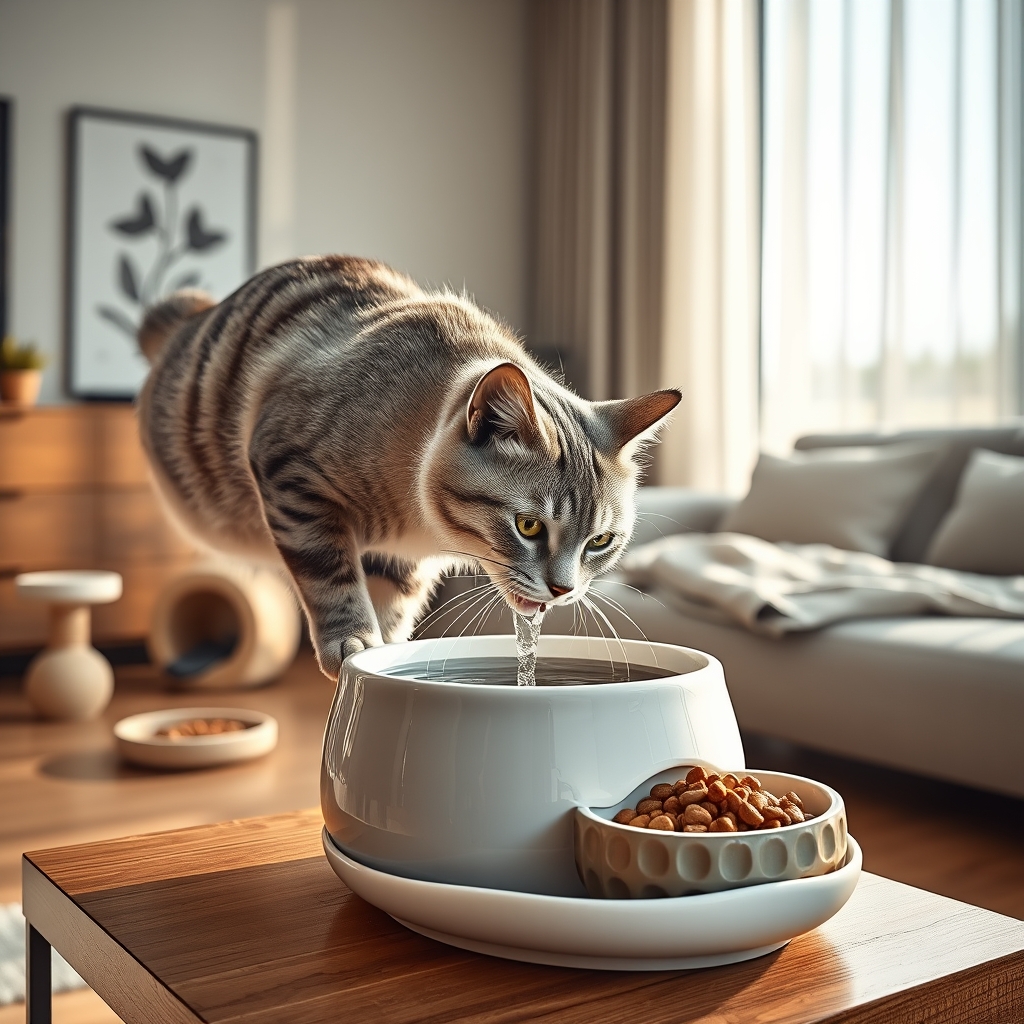
Pet water fountains are more than just a trendy accessory—they’re a revolution in feline hydration. These devices mimic the natural flow of water, enticing cats to drink more frequently and in larger quantities. The benefits are twofold: first, the continuous circulation keeps water fresh and oxygenated, reducing the risk of bacterial growth. Second, the gentle sound and movement of the water stimulate a cat’s curiosity, turning hydration into an interactive experience. Many fountains also come with filters, ensuring that the water remains clean and free of impurities that could deter a finicky cat.
When choosing a water fountain, consider your cat’s preferences. Some cats prefer a gentle stream, while others are drawn to bubbling or cascading water. Materials matter, too—ceramic and stainless steel are durable and easy to clean, while plastic can harbor bacteria over time. Placement is also key: position the fountain away from litter boxes and food bowls to encourage drinking, and consider adding multiple fountains in multi-cat households to prevent competition. With the right setup, a water fountain can become your cat’s favorite spot in the house, all while supporting their health.
Dietary Choices: The Unsung Heroes of Hydration
While water fountains address the behavioral aspects of hydration, dietary choices play an equally vital role. Wet food is a hydration powerhouse, providing moisture directly in your cat’s diet. A single can of wet food can contain as much as 78% water, making it an excellent way to supplement your cat’s fluid intake. For cats who prefer dry food, consider adding water or low-sodium broth to their kibble to increase moisture content. You can also explore hybrid diets, combining wet and dry food to strike a balance between convenience and hydration.
Beyond food, hydration supplements like bone broth or electrolyte-enhanced water can be beneficial, especially for senior cats or those with health conditions. However, it’s essential to consult your veterinarian before introducing any new dietary elements to ensure they align with your cat’s specific needs. Remember, hydration isn’t just about water—it’s about creating a holistic approach that integrates diet, behavior, and environment to support your cat’s well-being.
Recognizing the Signs of Dehydration
Despite our best efforts, cats can still become dehydrated, and recognizing the signs early is crucial for preventing serious health issues. Common symptoms include lethargy, dry gums, sunken eyes, and loss of skin elasticity (a simple test is to gently pinch the skin at the back of your cat’s neck—if it doesn’t snap back quickly, dehydration may be the culprit). Urinary issues, such as straining to urinate or producing small, concentrated amounts of urine, can also indicate a lack of proper hydration. If you notice any of these signs, encourage your cat to drink more water and consult your veterinarian for guidance.
Prevention is always better than cure, and small changes can make a big difference. For example, placing water bowls in multiple locations around your home can encourage drinking, while using wide, shallow bowls can prevent whisker fatigue, a common reason cats avoid their water dishes. Regularly cleaning water bowls and fountains also ensures that your cat isn’t deterred by stale or dirty water. By staying attuned to your cat’s habits and preferences, you can create a hydration-friendly environment that supports their health and happiness.
Creating a Hydration-Friendly Environment
Hydration isn’t just about providing water—it’s about creating an environment that encourages your cat to drink. Start by observing your cat’s behavior: do they prefer certain locations or times of day for drinking? Use this information to strategically place water sources where your cat feels most comfortable. For example, some cats prefer quiet, low-traffic areas, while others enjoy drinking near windows where they can watch birds or passing cars. Experiment with different bowl materials, too—some cats dislike the taste of metal or plastic and prefer ceramic or glass.
In multi-cat households, competition can deter some cats from drinking enough. To prevent this, provide multiple water stations and consider using separate fountains or bowls for each cat. You can also add ice cubes to water bowls to make drinking more enticing, or offer flavored water (like tuna juice or low-sodium chicken broth) as an occasional treat. The goal is to make hydration a seamless part of your cat’s daily routine, ensuring they stay healthy and hydrated without even realizing it.
Hydration is a silent pillar of feline health, often overshadowed by more visible aspects of care like nutrition or grooming. Yet, its impact is profound, influencing everything from organ function to energy levels and longevity. By embracing tools like water fountains and mindful dietary choices, we can transform hydration from a passive necessity into an engaging, health-boosting ritual for our cats. It’s not just about filling a bowl—it’s about understanding their instincts, meeting their needs, and creating an environment where they can thrive. In doing so, we don’t just quench their thirst; we nurture their well-being, one sip at a time.