The Hidden World of Feline Hydration: Why Water Matters More Than You Think for Your Cat’s Health
Water is the most essential nutrient for all living beings, yet it’s often overlooked when it comes to feline health. Cats, by nature, have a low thirst drive, a trait inherited from their desert-dwelling ancestors. This evolutionary quirk means they often don’t drink enough water to meet their body’s needs, which can lead to a host of health issues, from urinary tract infections to kidney disease. Understanding the importance of hydration and how to encourage your cat to drink more water is a game-changer for their overall well-being.
The Science Behind Feline Hydration
Cats have evolved to derive most of their water intake from their prey, which typically contains about 70-75% water. In the wild, this means they rarely need to seek out additional water sources. However, domestic cats, especially those on a dry kibble diet, consume significantly less moisture. Dry cat food contains only about 10% water, leaving a substantial gap in their hydration needs. This discrepancy can lead to chronic dehydration, which strains the kidneys and urinary tract, increasing the risk of conditions like urinary crystals, bladder stones, and even kidney failure.
Dehydration in cats isn’t always obvious. Unlike dogs, cats don’t pant or drool when they’re thirsty, and their skin elasticity isn’t a reliable indicator. Instead, signs of dehydration in cats may include lethargy, dry gums, sunken eyes, and a decrease in skin turgor (the skin’s ability to snap back when gently pinched). If you notice these symptoms, it’s crucial to act quickly, as dehydration can escalate into a medical emergency.
Creative Ways to Encourage Hydration
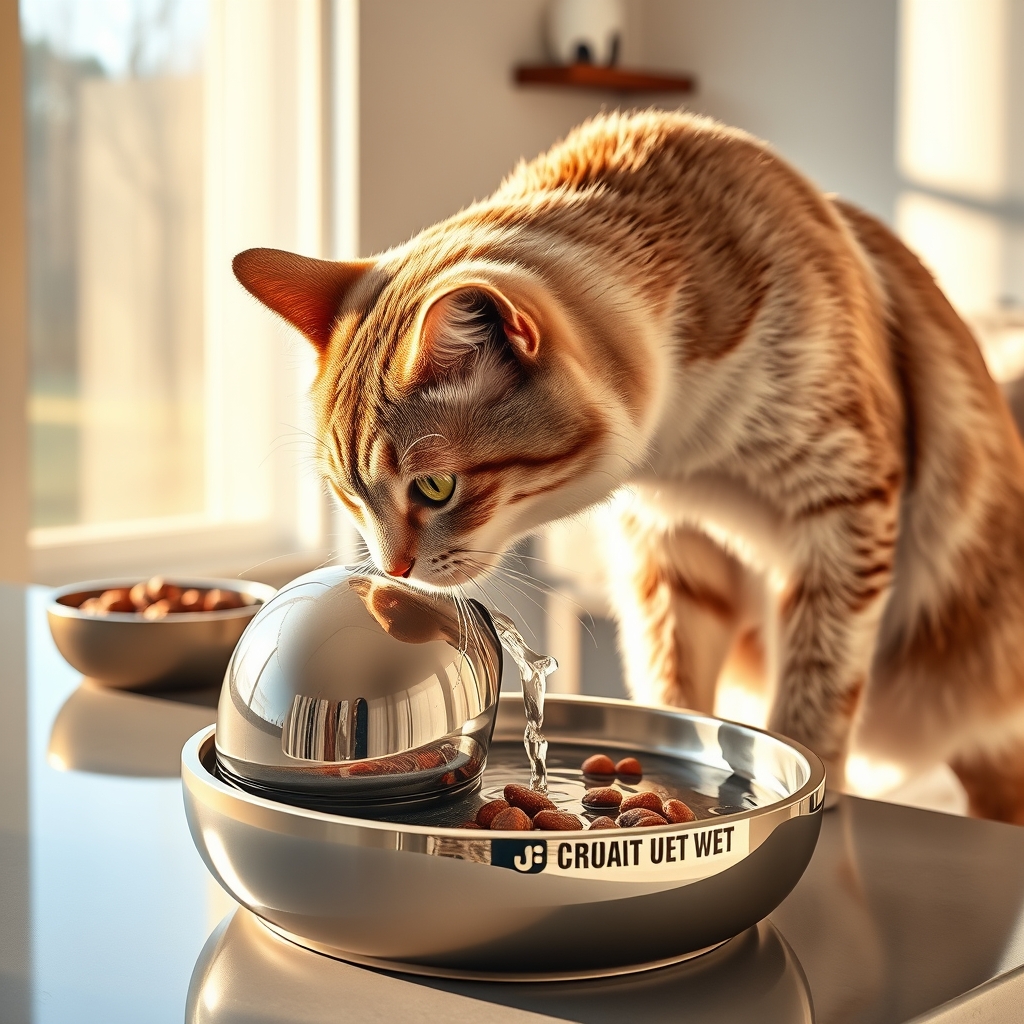
Fortunately, there are several strategies you can use to ensure your cat stays hydrated. One of the simplest methods is to switch from dry food to wet food, which contains about 75-80% water. If your cat is particularly attached to dry kibble, consider mixing it with a bit of water or low-sodium broth to increase moisture intake. Another effective approach is to invest in a cat water fountain. Cats are naturally attracted to running water, as it’s fresher and more oxygenated than stagnant water. A fountain can entice even the most reluctant drinkers to lap up more water throughout the day.
Placement of water bowls also plays a significant role in encouraging hydration. Cats prefer their water sources to be away from their food, as they instinctively avoid drinking near where they eat to prevent contamination. Try placing multiple water bowls around your home, especially in quiet, low-traffic areas where your cat feels safe. Some cats also prefer wide, shallow bowls that don’t touch their whiskers, as deep or narrow bowls can be uncomfortable for them.
The Role of Hydration in Preventing Urinary Issues
Urinary tract health is one of the most critical reasons to prioritize hydration in cats. Dehydration concentrates the urine, making it more likely for crystals or stones to form in the bladder or urethra. These conditions can cause painful blockages, which are life-threatening if not treated promptly. By ensuring your cat drinks enough water, you dilute their urine, reducing the risk of crystal formation and promoting overall urinary health.
If your cat has a history of urinary issues, your veterinarian may recommend a prescription diet designed to support urinary health. These diets are formulated to increase water intake, either by encouraging drinking or by providing moisture-rich food. Additionally, supplements like cranberry extract or omega-3 fatty acids can help maintain a healthy urinary tract by reducing inflammation and preventing bacterial adhesion.
Hydration for Senior Cats and Those with Health Conditions
As cats age, their risk of dehydration increases. Senior cats are more prone to kidney disease, which impairs their ability to concentrate urine and retain water. This makes hydration even more critical for older felines. If your senior cat is reluctant to drink, consider adding water or broth to their food, or offering ice cubes as a fun, low-calorie way to increase water intake. Some cats enjoy licking ice cubes, which can be a refreshing treat, especially in warmer months.
Cats with chronic health conditions, such as diabetes or hyperthyroidism, also require extra attention to hydration. These conditions can increase water loss through urination, making it essential to monitor their water intake closely. In some cases, subcutaneous fluids administered by your veterinarian may be necessary to maintain proper hydration levels. Always consult your vet if you notice changes in your cat’s drinking habits, as this can be an early sign of underlying health issues.
Innovative Hydration Solutions for Modern Cat Owners
Technology has introduced some exciting innovations to help cat owners monitor and improve their feline’s hydration. Smart water fountains, for example, not only provide a continuous flow of fresh water but also track how much your cat drinks each day. Some models even connect to your smartphone, sending alerts if your cat’s water intake drops below a certain threshold. Automated cat feeders can also be programmed to dispense wet food at regular intervals, ensuring your cat gets a steady supply of moisture throughout the day.
For cats who prefer variety, consider offering different types of water, such as filtered, bottled, or even flavored water (like tuna or chicken broth, diluted and cooled). Some cats are more enticed by water with a slight taste, while others prefer the purity of filtered water. Experimenting with different options can help you find what your cat prefers. Additionally, adding a few drops of cat-safe tuna juice or low-sodium chicken broth to their water bowl can make it more appealing, though it’s important to change the water frequently to prevent bacterial growth.
Hydration is a cornerstone of feline health that often goes unnoticed until a problem arises. By understanding your cat’s unique needs and implementing simple strategies to encourage water intake, you can prevent a host of health issues and ensure your feline friend enjoys a long, vibrant life. Whether it’s through wet food, water fountains, or creative placement of water bowls, every small effort adds up to a happier, healthier cat. The key is to make hydration a priority before it becomes an emergency, turning what seems like a minor detail into a powerful tool for your cat’s well-being.