
Feline Dental Care: The Overlooked Key to Your Cat’s Lifelong Vitality
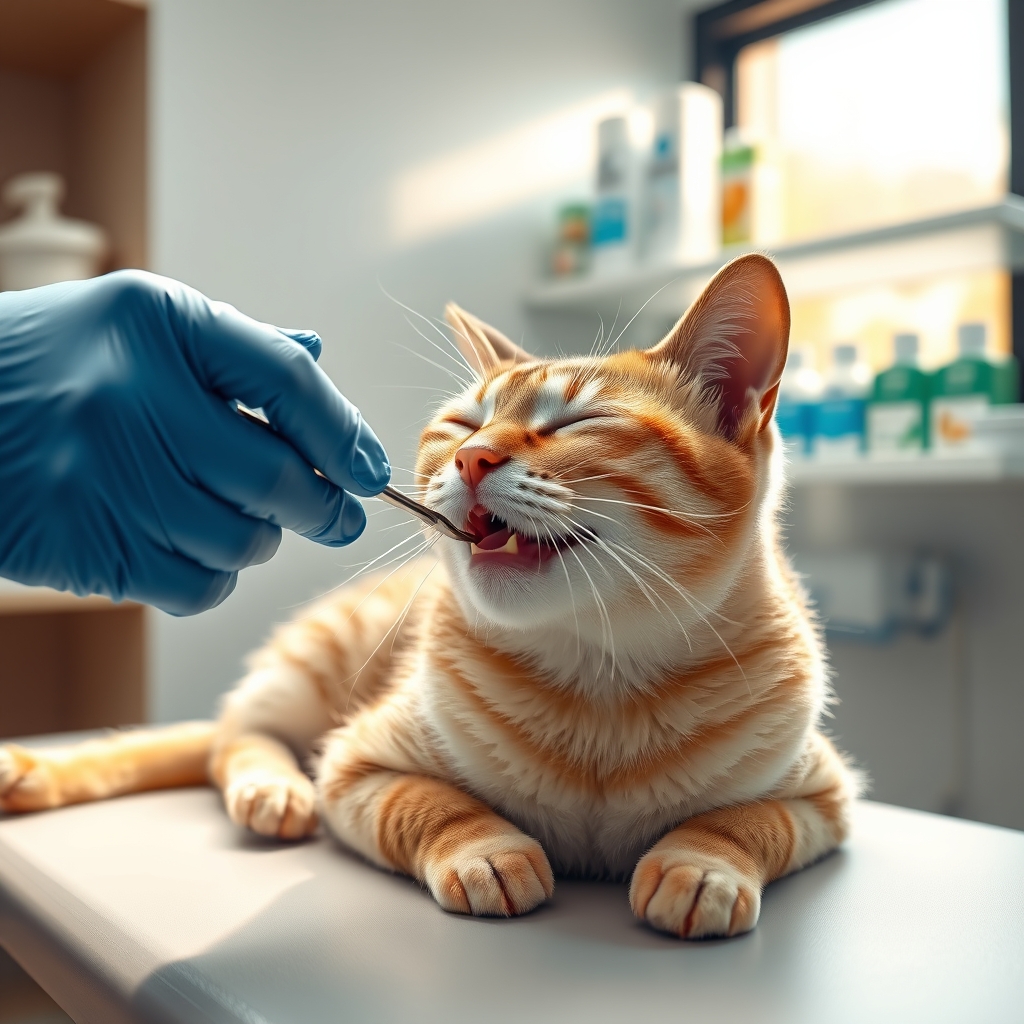
When we think about our cats’ health, dental care rarely tops the list. Yet, beneath those adorable whiskers and playful purrs lies a hidden battleground—one where plaque, tartar, and gum disease silently threaten their well-being. Just like in humans, poor oral hygiene in cats can lead to serious health issues, from painful infections to systemic diseases that affect the heart, kidneys, and liver. The good news? With the right knowledge and tools, you can safeguard your feline’s smile and, in turn, their overall vitality.
The Silent Epidemic: Why Feline Dental Health Matters
Studies show that by the age of three, over 70% of cats exhibit signs of dental disease. The most common culprits? Gingivitis, periodontal disease, and tooth resorption—a painful condition where a cat’s body begins to break down its own teeth. Unlike dogs, cats are masters at hiding discomfort, so by the time symptoms like drooling, bad breath, or reluctance to eat become noticeable, the problem has often advanced. This is why proactive dental care isn’t just about fresh breath; it’s about preventing a cascade of health complications that can shorten your cat’s lifespan.
But here’s the catch: cats aren’t exactly cooperative when it comes to toothbrushing. Their tiny mouths and sharp teeth make manual cleaning a challenge, even for the most patient pet owners. This is where a multi-pronged approach becomes essential—one that combines at-home care, professional cleanings, and innovative products designed to make dental hygiene effortless.
Brushing Up on the Basics: At-Home Dental Care
If you’ve ever tried to brush your cat’s teeth, you know it’s not for the faint of heart. However, with patience and the right technique, it’s possible to turn this into a bonding experience rather than a battle. Start by introducing your cat to the taste of pet-safe toothpaste (never use human toothpaste, as it contains ingredients like xylitol that are toxic to cats). Let them lick a small amount off your finger to acclimate them to the flavor. Gradually, introduce a cat-specific toothbrush or a finger brush, gently lifting their lips to reach the outer surfaces of their teeth. Focus on the canines and molars, where plaque tends to accumulate the most.
For cats who resist brushing, dental wipes or gels can be a game-changer. These products are designed to reduce plaque and freshen breath with minimal effort. Simply wrap a wipe around your finger and rub it along your cat’s teeth and gums, or apply a pea-sized amount of gel to their gums. While not as thorough as brushing, they’re a practical alternative for finicky felines.
The Role of Diet in Dental Health
What your cat eats plays a significant role in their dental health. Dry kibble is often touted as better for teeth than wet food because the crunchy texture can help scrape away plaque. However, not all kibble is created equal. Look for products with the Veterinary Oral Health Council (VOHC) seal, which indicates they’ve been clinically proven to reduce plaque and tartar. Some brands even offer dental-specific kibble with larger, textured pieces designed to clean teeth as your cat chews.
That said, wet food has its own benefits, particularly for hydration and kidney health. If your cat prefers wet food, consider supplementing their diet with dental treats or chews. These treats are formulated to promote oral health by mechanically cleaning teeth and freshening breath. Just be mindful of calories—dental treats should make up no more than 10% of your cat’s daily intake.
Professional Cleanings: When to Call in the Experts
Even with the best at-home care, professional dental cleanings are a non-negotiable part of feline dental health. These cleanings, performed under anesthesia by a veterinarian, allow for a thorough examination of your cat’s mouth, including below the gumline where plaque and tartar hide. X-rays may also be taken to check for hidden issues like tooth resorption or bone loss. While anesthesia can be a concern for some pet owners, the risks are minimal compared to the dangers of untreated dental disease.
How often your cat needs a professional cleaning depends on their individual needs. Some cats may require annual cleanings, while others with severe dental issues might need more frequent visits. Your veterinarian can help you determine the best schedule based on your cat’s age, breed, and oral health status. Between cleanings, regular check-ups can catch early signs of trouble, such as red gums or loose teeth, before they escalate.
Innovative Tools for Modern Cat Owners
Technology is revolutionizing feline dental care, making it easier than ever to keep your cat’s teeth in top shape. Water additives, for example, are a hassle-free way to promote oral health. Simply add a capful to your cat’s water bowl daily, and the solution works to reduce plaque and freshen breath. Some brands even offer enzymatic formulas that break down bacteria in the mouth.
Another game-changer is the rise of smart dental monitors. These devices, which attach to your cat’s collar or water bowl, track their oral health metrics and send alerts to your phone if something seems amiss. While still a relatively new technology, they offer a glimpse into the future of proactive pet care—one where potential issues are caught before they become problems.
Beyond the Teeth: The Link Between Dental Health and Overall Wellness
Dental disease doesn’t just affect your cat’s mouth; it has far-reaching consequences for their entire body. Bacteria from infected gums can enter the bloodstream, traveling to vital organs and causing inflammation or infection. This is why cats with poor dental health are at higher risk for conditions like heart disease, kidney disease, and diabetes. By prioritizing dental care, you’re not just protecting their teeth—you’re safeguarding their long-term health and quality of life.
It’s also worth noting that dental pain can manifest in subtle ways. A cat who suddenly becomes less active, avoids hard food, or grooms excessively may be suffering from oral discomfort. Similarly, changes in behavior, like increased irritability or withdrawal, can be red flags. Paying attention to these signs and acting quickly can make all the difference in your cat’s comfort and well-being.
Taking care of your cat’s teeth might seem like a small part of their overall care routine, but its impact is anything but minor. From preventing painful infections to protecting their vital organs, good dental hygiene is the foundation of a long, healthy life. With the right tools, a little patience, and a proactive approach, you can ensure your feline’s smile stays as bright and vibrant as their personality—because a healthy cat is a happy cat, and that’s what every pet owner wants most.