
The Complete Guide to Cat Grooming: Tools, Techniques, and Tips for a Healthy, Happy Feline
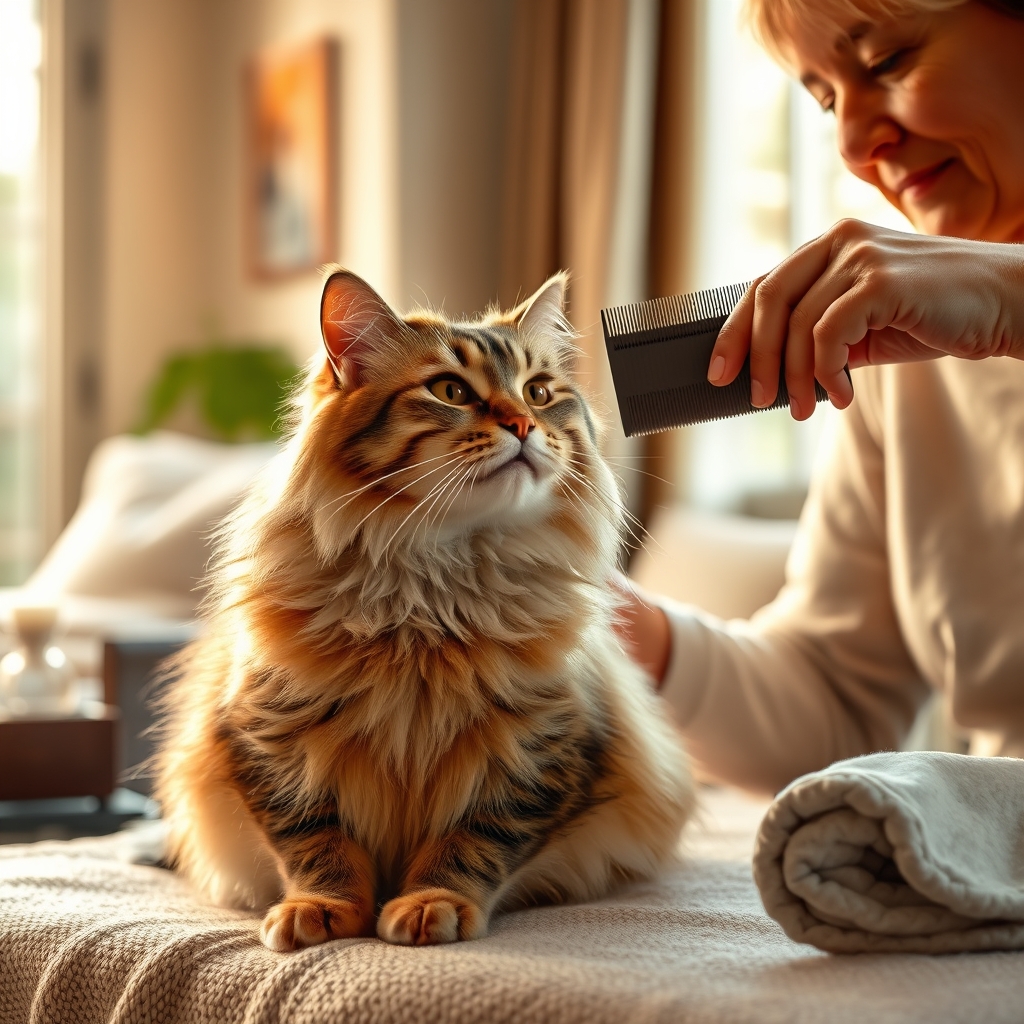
Every cat owner knows that grooming is more than just a way to keep your feline friend looking their best—it’s a cornerstone of their overall health and well-being. Whether you have a long-haired Persian or a short-haired Siamese, regular grooming helps prevent matting, reduces shedding, and strengthens the bond between you and your pet. But where do you start, and what tools do you really need? This guide will walk you through everything you need to know about cat grooming, from essential tools to expert techniques.
The Importance of Regular Cat Grooming
Grooming isn’t just about aesthetics; it plays a vital role in your cat’s health. For instance, brushing your cat’s coat removes loose fur, dirt, and dandruff while distributing natural oils that keep their skin healthy. This is especially important for long-haired breeds, which are prone to tangles and mats that can lead to skin irritation or even infections if left untreated. Additionally, grooming sessions allow you to check for signs of fleas, ticks, or skin conditions that may require veterinary attention.
Beyond the physical benefits, grooming also provides mental stimulation and comfort for your cat. Many cats enjoy the sensation of being brushed, and it can be a soothing experience for them, particularly if they’re anxious or stressed. For older cats or those with mobility issues, grooming can also help them feel more comfortable by preventing painful mats and keeping their coat clean.
Essential Tools for Your Cat Grooming Kit
Not all grooming tools are created equal, and the right ones for your cat will depend on their coat type and individual needs. Here’s a breakdown of the must-have items for your cat grooming kit:
Brushes and Combs
Slicker Brush: Ideal for long-haired cats, a slicker brush has fine, short wires close together that effectively remove loose fur and detangle mats. It’s gentle on the skin and works well for breeds like Maine Coons or Ragdolls.
Bristle Brush: Best for short-haired cats, a bristle brush helps remove loose fur and dirt while stimulating the skin. It’s perfect for breeds like British Shorthairs or American Shorthairs, giving their coat a sleek, polished look.
Metal Comb: A metal comb with wide and narrow teeth is versatile and great for detangling and removing debris from your cat’s coat. It’s particularly useful for cats with medium-length fur, such as Norwegian Forest Cats.
Deshedding Tools
Furminator: This popular deshedding tool is designed to reach deep into your cat’s undercoat to remove loose fur before it ends up on your furniture. It’s highly effective for heavy shedders but should be used with caution to avoid irritating your cat’s skin.
Rubber Brush: A rubber brush or grooming glove is gentle and perfect for short-haired cats. It helps remove loose fur while massaging your cat’s skin, making it a great option for cats who are sensitive to traditional brushes.
Nail Clippers and Files
Trimming your cat’s nails is an essential part of grooming, as overgrown nails can cause discomfort or even lead to health issues like ingrown claws. Invest in a pair of cat-specific nail clippers or a nail grinder, and always have styptic powder on hand in case you accidentally cut the quick.
Grooming Wipes and Shampoos
Even if your cat isn’t a fan of baths, grooming wipes can help keep their coat clean between washes. Look for wipes that are free of harsh chemicals and designed specifically for cats. If your cat does need a bath, opt for a gentle, cat-safe shampoo that won’t strip their skin of natural oils. Avoid human shampoos, as they can disrupt the pH balance of your cat’s skin and cause irritation.
Step-by-Step Grooming Techniques
Now that you have the right tools, it’s time to put them to use. Here’s a step-by-step guide to grooming your cat like a pro:
Brushing Your Cat’s Coat
Start by choosing a quiet, comfortable space where your cat feels relaxed. Begin brushing in the direction of your cat’s fur, using gentle strokes to avoid pulling or tugging. For long-haired cats, focus on one section at a time, working from the head down to the tail. If you encounter a mat, use a metal comb to gently tease it apart, or carefully trim it with scissors if it’s too tight to remove with a brush. Always reward your cat with treats and praise to create a positive association with grooming.
Trimming Your Cat’s Nails
Hold your cat’s paw gently but firmly, and press on the pad to extend the nail. Use cat-specific nail clippers to trim the tip of the nail, avoiding the quick—the pink part inside the nail that contains blood vessels. If your cat has dark nails and you can’t see the quick, trim only the very tip to be safe. If you accidentally cut the quick, apply styptic powder to stop the bleeding.
Cleaning Your Cat’s Ears
Check your cat’s ears regularly for dirt, wax buildup, or signs of infection, such as redness or a foul odor. Use a cat-safe ear cleaner and a cotton ball or pad to gently wipe the inside of the ear flap. Avoid using cotton swabs, as they can damage the ear canal. If you notice any signs of infection, consult your veterinarian.
Bathing Your Cat
Most cats don’t need frequent baths, but if your feline friend gets into something sticky or dirty, a bath may be necessary. Fill a sink or tub with a few inches of warm water and use a cat-safe shampoo. Wet your cat’s coat thoroughly, avoiding their face, and lather the shampoo gently. Rinse thoroughly to remove all traces of shampoo, as leftover residue can cause skin irritation. After the bath, wrap your cat in a towel and dry them as much as possible, using a blow dryer on a low, cool setting if they tolerate it.
Addressing Common Grooming Challenges
Grooming isn’t always smooth sailing, especially if your cat is resistant or has specific needs. Here are some common challenges and how to overcome them:
Dealing with Mats and Tangles
Mats can be painful for your cat and difficult to remove, especially if they’re close to the skin. If you encounter a small mat, try using a metal comb to gently work it apart. For larger or tighter mats, you may need to carefully cut them out with scissors, taking care not to nick your cat’s skin. If the mats are extensive, it’s best to seek help from a professional groomer or veterinarian.
Managing Shedding
Shedding is a natural process, but it can be managed with regular brushing. For heavy shedders, a deshedding tool like the Furminator can be a game-changer. Additionally, ensuring your cat is hydrated and fed a high-quality diet can help reduce excessive shedding. If you notice bald patches or excessive shedding, consult your veterinarian to rule out underlying health issues.
Handling a Resistant Cat
Not all cats enjoy grooming, and some may become stressed or aggressive during the process. If your cat is resistant, start with short grooming sessions and gradually increase the duration as they become more comfortable. Use treats and praise to reward good behavior, and never force your cat to endure grooming if they’re clearly distressed. If grooming becomes a battle, consider enlisting the help of a professional groomer.
Grooming your cat is an act of love that goes beyond keeping them looking their best. It’s an opportunity to bond with your feline companion while ensuring their health and comfort. By investing in the right tools, mastering essential techniques, and addressing challenges with patience and care, you can make grooming a positive experience for both you and your cat. Whether you’re brushing out tangles, trimming nails, or simply giving your cat a soothing massage, each grooming session is a chance to show your cat just how much you care.