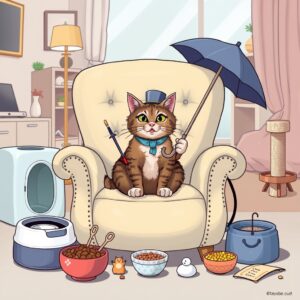
The Hidden World of Cat Communication: Decoding Your Feline’s Unique Language

Cats are enigmatic creatures, often leaving their owners puzzled by their behaviors and vocalizations. Unlike dogs, which wear their emotions on their sleeves, cats communicate in subtle, nuanced ways that require a keen eye and a deep understanding of feline psychology. Learning to interpret your cat’s unique language can strengthen your bond, improve their well-being, and even help you address potential health or behavioral issues before they escalate. This guide will delve into the fascinating world of cat communication, from body language to vocalizations, and provide practical insights to help you become fluent in your cat’s dialect.
The Silent Symphony: Understanding Cat Body Language
Cats are masters of non-verbal communication, using every part of their body to convey their emotions and intentions. A cat’s tail, for instance, is one of the most expressive tools in their arsenal. A tail held high with a slight curve at the tip signals confidence and contentment, while a puffed-up tail indicates fear or aggression. If your cat’s tail is twitching or lashing, it may be a sign of irritation or overstimulation—time to give them some space.
Ears are another critical indicator of a cat’s mood. Forward-facing ears show curiosity or interest, while flattened ears signal fear, aggression, or discomfort. If your cat’s ears are swiveling rapidly, they may be trying to pinpoint the source of a sound or feeling uncertain about their environment. Observing these subtle cues can help you respond appropriately to your cat’s needs, whether it’s offering comfort, playtime, or solitude.
The Eyes Have It: Decoding Feline Facial Expressions
A cat’s eyes can reveal a wealth of information about their emotional state. Slow blinking is one of the most heartwarming forms of feline communication—it’s often referred to as a “cat kiss” and is a sign of trust and affection. If your cat slow-blinks at you, try returning the gesture to reinforce your bond. On the other hand, dilated pupils can indicate excitement, fear, or even aggression, depending on the context. Narrowed eyes or a fixed stare may signal discomfort or a challenge, so it’s best to avoid direct eye contact if your cat seems tense.
Whiskers also play a role in feline communication. Forward-facing whiskers suggest curiosity or engagement, while whiskers pulled back against the face may indicate fear or submission. Paying attention to these small details can help you gauge your cat’s comfort level in different situations, whether they’re meeting a new person, exploring a new environment, or interacting with other pets.
The Vocal Repertoire: What Your Cat’s Meows Really Mean
While cats are often thought of as quiet creatures, they actually have a vast vocal repertoire that goes far beyond the standard “meow.” Each sound carries a distinct meaning, and understanding these vocalizations can help you respond to your cat’s needs more effectively. For example, a short, high-pitched meow is typically a greeting, while a longer, drawn-out meow may signal a demand for attention or food. A series of rapid, high-pitched meows could indicate excitement or distress, depending on the context.
Purring is one of the most soothing sounds a cat can make, but it’s not always a sign of contentment. Cats also purr when they’re in pain, anxious, or even giving birth, so it’s essential to consider the situation before assuming your cat is happy. Growling, hissing, and yowling are more overt signs of discomfort or aggression and should be taken seriously. If your cat is exhibiting these behaviors frequently, it may be a sign of stress, illness, or territorial issues that require attention.
The Power of Scent: How Cats Communicate Through Smell
Cats have an incredibly keen sense of smell, and they use scent to communicate in ways that are often invisible to humans. Rubbing their face or body against you, furniture, or other objects is a way for cats to mark their territory and leave their scent behind. This behavior, known as “bunting,” is a sign of affection and ownership—your cat is essentially claiming you as part of their family.
Scratching is another scent-marking behavior, as cats have scent glands in their paws that release pheromones when they scratch. This is why providing a high-quality cat scratching post is essential—not only does it protect your furniture, but it also allows your cat to express their natural behaviors and communicate with their environment. If your cat is scratching excessively or in unusual places, it may be a sign of stress or anxiety, and addressing the root cause can help restore their sense of security.
Building a Stronger Bond Through Communication
Understanding your cat’s unique language is the first step toward building a deeper, more meaningful relationship with them. By paying attention to their body language, vocalizations, and scent-marking behaviors, you can respond to their needs more effectively and create a harmonious home environment. This is particularly important for cats who may struggle with feline separation anxiety or stress-related behaviors, as clear communication can help them feel more secure and understood.
Interactive playtime is another excellent way to strengthen your bond and improve communication with your cat. Using interactive cat toys like feather wands, laser pointers, or puzzle feeders can engage your cat’s natural instincts and provide mental and physical stimulation. These activities not only help your cat burn off excess energy but also reinforce positive interactions between you and your feline friend.
For cats who are particularly anxious or prone to stress, calming treats for cats or pheromone diffusers can provide additional support. These products mimic natural feline pheromones, helping to create a sense of calm and security in your home. When combined with a consistent routine and plenty of positive reinforcement, these tools can make a world of difference in your cat’s overall well-being.
Every cat is unique, and their communication style will evolve as they grow and adapt to their environment. By staying attuned to their subtle cues and responding with patience and empathy, you can unlock the hidden world of feline communication and forge a bond that transcends words. Whether your cat is a chatty Siamese or a reserved British Shorthair, taking the time to understand their language will deepen your connection and enrich both of your lives in ways you never imagined.