Creating a Stress-Free Sanctuary: How Indoor Cat Enrichment and Calming Treats Transform Feline Lives
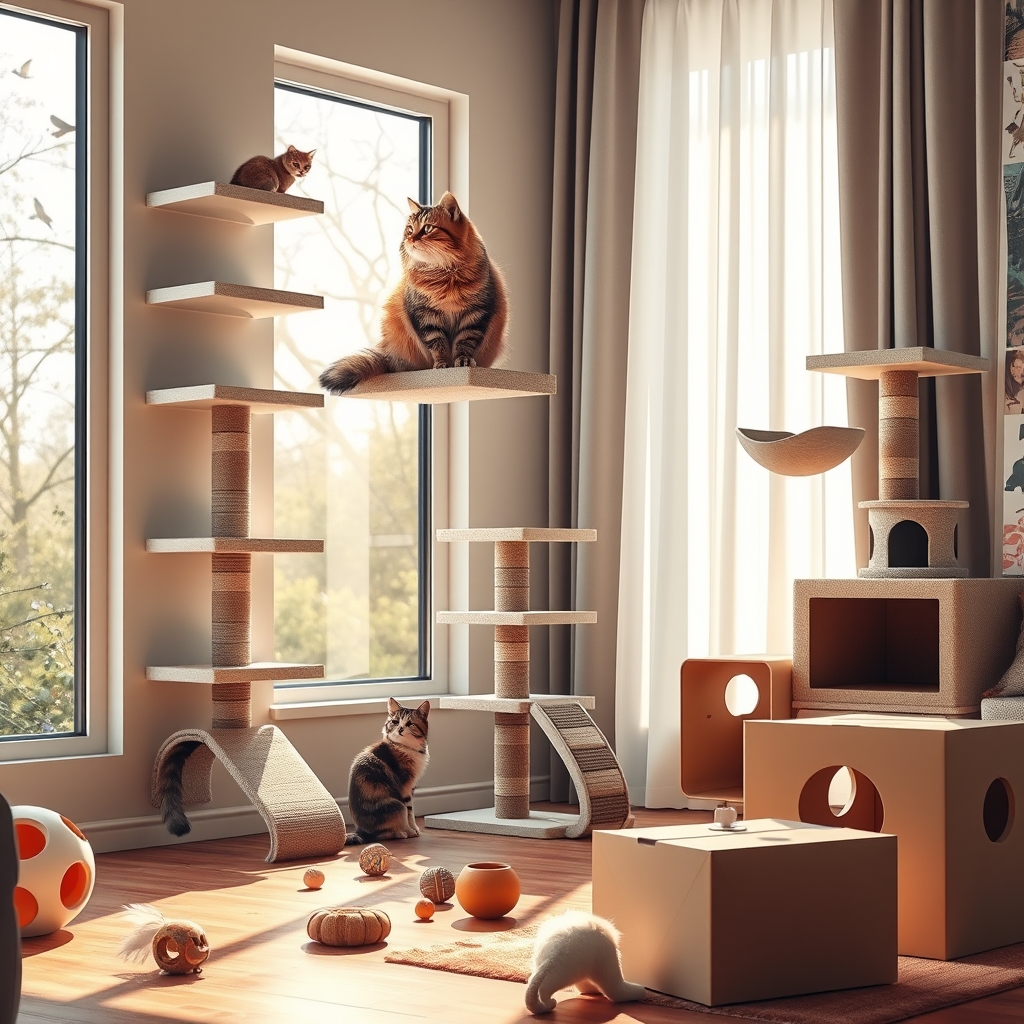
Cats are masters of comfort, often curling up in sunlit windowsills or stretching out on their favorite perch. Yet, beneath their serene exterior, many felines experience stress, especially when confined indoors. Whether it’s the absence of their humans, the monotony of a static environment, or the lack of stimulation, stress can manifest in subtle—and sometimes not-so-subtle—ways. From excessive grooming to destructive scratching or even withdrawal, a stressed cat is a unhappy cat. The good news? With thoughtful indoor enrichment and the right calming strategies, you can transform your home into a feline paradise that nurtures both body and mind.
The Psychology Behind Feline Stress
Cats are creatures of habit, and their well-being is deeply tied to their environment. In the wild, they spend their days hunting, exploring, and marking territory—activities that keep their minds sharp and their instincts satisfied. Indoors, however, these natural behaviors are often suppressed, leading to boredom, anxiety, and even depression. Feline separation anxiety, in particular, is a growing concern, especially for cats left alone for extended periods. Unlike dogs, cats may not always show their distress overtly, but signs like excessive meowing, clinginess, or litter box avoidance can signal underlying stress.
Understanding the root causes of stress is the first step toward creating a more harmonious home. Changes in routine, lack of vertical space, or even the presence of other pets can trigger anxiety. Fortunately, indoor enrichment offers a powerful solution by mimicking the challenges and rewards of a cat’s natural habitat. When combined with calming treats, these strategies can help your feline friend feel more secure, engaged, and content.
Designing an Enrichment-Rich Environment
Enrichment isn’t just about keeping your cat busy—it’s about fulfilling their instinctual needs. Start by assessing your home from your cat’s perspective. Are there enough climbing opportunities? Are there hiding spots where they can retreat and observe? Are there toys that engage their hunting instincts? If not, it’s time to rethink your space.
Vertical Space: The Key to a Cat’s Heart
Cats love to climb, and vertical space is often an overlooked aspect of indoor enrichment. Wall-mounted shelves, cat trees, and window perches provide opportunities for climbing, jumping, and surveying their domain. These structures not only satisfy their natural instincts but also give them a sense of security. A cat that can perch high above the ground feels safer and more in control of their environment. Consider installing a cat wall with staggered shelves or investing in a tall, sturdy cat tree to create a multi-level playground.
Interactive Toys: Engaging the Hunter Within
Toys are more than just playthings—they’re tools for mental and physical stimulation. Interactive cat toys, such as puzzle feeders, laser pointers, and wand toys, tap into your cat’s predatory instincts. Puzzle feeders, for example, require your cat to solve a simple challenge to access their food, turning mealtime into an engaging activity. Wand toys mimic the movement of prey, encouraging your cat to stalk, pounce, and leap. Rotate toys regularly to keep your cat’s interest piqued, and consider toys that dispense treats to add an extra layer of reward.
Scratching Posts: More Than Just a Furniture Saver
Scratching is a natural behavior that serves multiple purposes: it keeps your cat’s claws healthy, marks territory, and stretches their muscles. Unfortunately, many cats turn to furniture when they don’t have a suitable outlet. A cat scratching post or scratching pad can save your sofa while providing your cat with a satisfying way to express their instincts. Place scratching posts near windows or in high-traffic areas to encourage use, and choose materials like sisal or corrugated cardboard for durability and texture.
The Role of Calming Treats in Feline Wellness
While enrichment addresses the environmental causes of stress, calming treats offer a complementary approach by supporting your cat’s emotional well-being. These treats are formulated with natural ingredients like chamomile, L-theanine, and melatonin, which promote relaxation without sedation. They’re particularly useful during stressful events, such as vet visits, travel, or the introduction of a new pet. However, calming treats should be used as part of a broader stress-reduction strategy, not as a standalone solution.
When choosing calming treats, look for products with transparent ingredient lists and avoid those with artificial additives. Start with a small dose to gauge your cat’s response, and consult your veterinarian if you’re unsure about dosage or suitability. Remember, calming treats are most effective when combined with environmental enrichment and a consistent routine.
DIY Enrichment: Simple Projects for a Happier Cat
You don’t need to break the bank to create an enriching environment for your cat. Many DIY projects can provide hours of entertainment while strengthening the bond between you and your feline friend. Here are a few ideas to get you started:
Cardboard Box Maze
Cats love boxes, and a simple cardboard maze can provide endless entertainment. Cut holes in the sides of several boxes and arrange them into a tunnel system. Add a few treats or toys inside to encourage exploration. The best part? You can reconfigure the maze whenever your cat loses interest.
Toilet Paper Roll Puzzle Feeder
Turn empty toilet paper rolls into a fun and challenging puzzle feeder. Fold the ends of the rolls to create small compartments, then fill them with kibble or treats. Your cat will need to bat the rolls around to release the food, engaging their problem-solving skills and satisfying their hunting instincts.
Window Perch with a View
If you don’t have a window perch, you can create one using a sturdy shelf or a repurposed piece of furniture. Place it near a window with a view of birds, squirrels, or passing cars. Add a soft blanket or cushion for comfort, and watch as your cat spends hours observing the world outside. For an extra touch, hang a bird feeder outside the window to provide live entertainment.
Homemade Catnip Toys
Catnip is a natural stimulant that can provide hours of fun for your feline friend. Make your own catnip toys by filling small fabric pouches with dried catnip and sewing them shut. You can also sprinkle catnip on scratching posts or cardboard boxes to encourage play. Just be mindful that not all cats respond to catnip—some may prefer silver vine or valerian root as an alternative.
Creating a stress-free sanctuary for your cat doesn’t require a complete home makeover. Small changes, like adding a scratching post, introducing interactive toys, or offering calming treats, can make a world of difference in your cat’s quality of life. By understanding their needs and providing opportunities for mental and physical stimulation, you’ll not only reduce stress but also deepen the bond you share. A happy cat is a healthy cat, and with a little creativity and compassion, your home can become the ultimate feline retreat—a place where curiosity is rewarded, instincts are satisfied, and every day is filled with purrs of contentment.