The Hidden World of Feline Hydration: How Water Fountains and Dietary Choices Keep Your Cat Thriving
Cats are masters of disguise, especially when it comes to their health. One of the most overlooked aspects of feline wellness is hydration. Unlike dogs, cats don’t have a strong natural drive to drink water, a trait inherited from their desert-dwelling ancestors. This evolutionary quirk means that many cats live in a state of chronic mild dehydration, which can lead to serious health issues like urinary crystals, kidney disease, and even bladder infections. The good news? With the right tools and dietary choices, you can transform your cat’s hydration habits and unlock a new level of vitality.
The Science Behind Feline Hydration
Cats’ low thirst drive is a survival mechanism. In the wild, their prey—like rodents and birds—contains about 70% water, providing most of their hydration needs. Domestic cats, however, often eat dry kibble, which contains as little as 10% moisture. This dramatic shift in diet means that many cats are missing out on the hydration they would naturally get from their food. The consequences aren’t always immediate, but over time, chronic dehydration can take a toll on their kidneys, urinary tract, and overall energy levels.
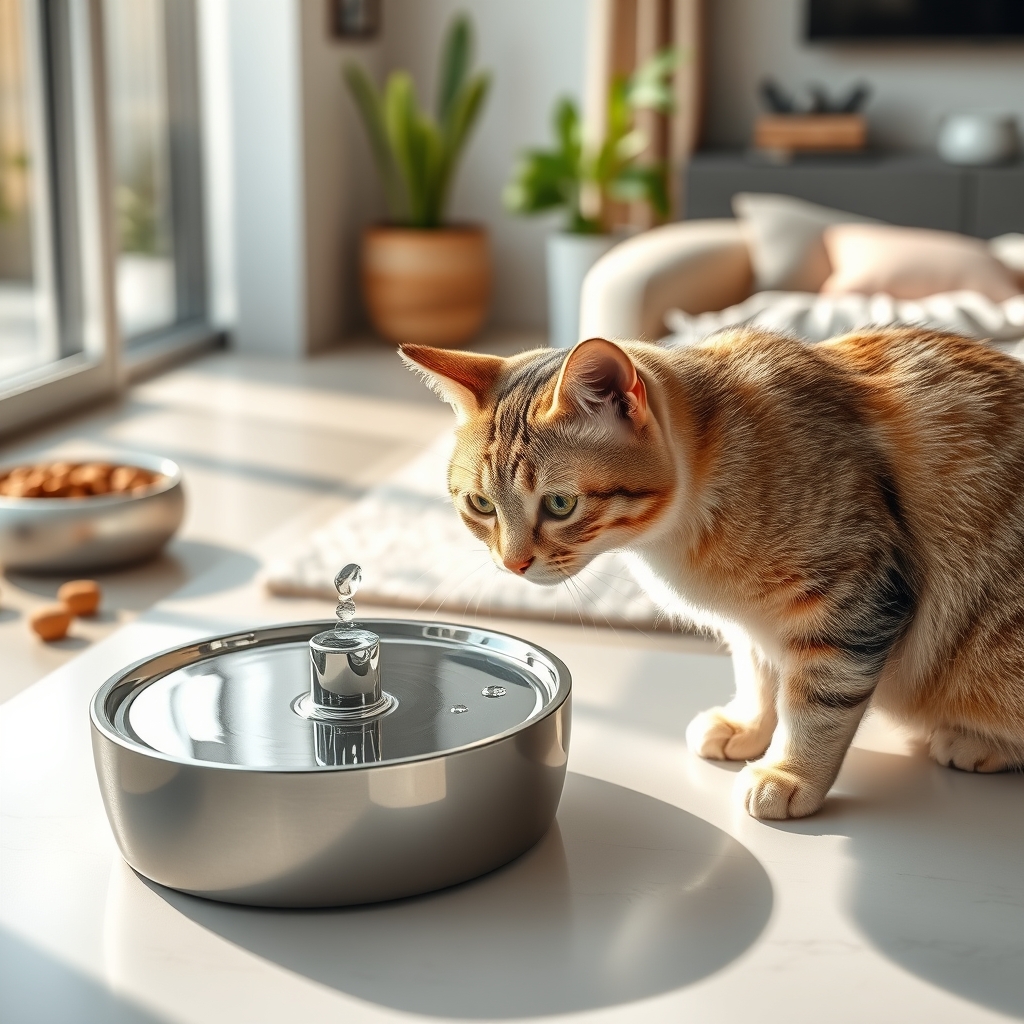
Research shows that cats who consume a moisture-rich diet are less likely to develop urinary tract diseases. Wet food, with its high water content, is an excellent way to boost hydration, but it’s not the only solution. Water fountains, for example, tap into cats’ instinctual preference for running water. The sound and movement of flowing water can entice even the most reluctant drinkers, making hydration a more engaging and natural experience.
Choosing the Right Water Fountain for Your Cat
Not all water fountains are created equal. When selecting one for your feline friend, consider factors like noise level, ease of cleaning, and material. Stainless steel or ceramic fountains are ideal because they’re durable, non-porous, and resistant to bacterial growth. Plastic fountains, while affordable, can harbor bacteria in scratches and may even cause chin acne in some cats.
Noise is another critical factor. Some cats are spooked by loud motors, while others are drawn to the gentle sound of trickling water. Look for fountains with adjustable flow settings so you can customize the experience to your cat’s preferences. Additionally, fountains with replaceable filters help keep the water fresh and free of debris, which is especially important for cats with sensitive palates.
Placement Matters
Where you place the water fountain can make a big difference in how often your cat uses it. Cats prefer drinking in quiet, low-traffic areas where they feel safe. Avoid placing the fountain near their litter box or food bowl—cats instinctively avoid drinking near their elimination or eating areas to prevent contamination. Instead, place it in a corner of the room or a spot where your cat already likes to relax. If you have multiple cats, consider setting up more than one fountain to prevent competition and ensure everyone has access.
Dietary Choices That Boost Hydration
While water fountains are a fantastic tool, they’re just one piece of the hydration puzzle. Your cat’s diet plays an equally important role. Wet food is the most obvious choice, but not all wet foods are created equal. Look for high-quality options with a moisture content of at least 75%. Avoid foods with excessive fillers like corn, wheat, or soy, as these can contribute to dehydration and other health issues.
For cats who prefer dry food, consider adding a bit of water or low-sodium broth to their kibble to increase moisture intake. You can also mix wet and dry food to create a balanced diet that supports hydration. Another option is to incorporate hydration-boosting treats, like freeze-dried meat or fish, which contain natural moisture and are often irresistible to cats.
The Role of Cat Nutrition Supplements
In some cases, even the best diet and water fountain may not be enough to keep your cat fully hydrated. This is where cat nutrition supplements can help. Electrolyte supplements designed for cats can support hydration, especially for those with medical conditions like kidney disease or diabetes. Omega-3 fatty acids, found in fish oil supplements, can also promote kidney health and reduce inflammation, making them a valuable addition to your cat’s routine.
Before introducing any supplements, consult your veterinarian to ensure they’re appropriate for your cat’s specific needs. Some supplements can interact with medications or exacerbate certain health conditions, so professional guidance is essential.
Recognizing the Signs of Dehydration
Despite your best efforts, dehydration can still occur. Knowing the signs can help you take action before it becomes a serious problem. Common symptoms include:
- Lethargy or decreased energy levels
- Dry or sticky gums
- Loss of skin elasticity (if you gently pinch the skin between your cat’s shoulder blades, it should snap back into place quickly; if it doesn’t, your cat may be dehydrated)
- Sunken eyes
- Decreased appetite
- Panting or rapid breathing
If you notice any of these signs, encourage your cat to drink more water and consider offering wet food or a hydration supplement. In severe cases, your cat may need subcutaneous fluids administered by a veterinarian, so don’t hesitate to seek professional help if symptoms persist.
Creating a Hydration-Friendly Environment
Hydration isn’t just about what your cat drinks—it’s also about creating an environment that encourages healthy habits. In addition to a water fountain, consider placing multiple water bowls around your home, especially in areas where your cat spends a lot of time. Some cats prefer wide, shallow bowls that don’t touch their whiskers, while others like deeper dishes. Experiment to see what your cat prefers.
Another simple but effective trick is to keep the water fresh. Cats are more likely to drink from a clean bowl, so change the water daily and wash the bowl with soap and water at least once a week. Avoid using harsh chemicals or scented soaps, as these can leave residues that deter your cat from drinking.
Hydration is the foundation of your cat’s health, yet it’s often overlooked in favor of more visible concerns like diet or grooming. By understanding your cat’s unique needs and making small but impactful changes—like introducing a water fountain, adjusting their diet, or adding targeted supplements—you can help them live a longer, healthier, and more vibrant life. The key is to make hydration a natural and enjoyable part of their daily routine, so they can thrive without even realizing they’re being cared for. After all, the best kind of wellness is the kind that feels effortless.