
The Scratch Factor: How the Right Cat Scratching Post Can Save Your Furniture and Boost Your Cat’s Well-Being
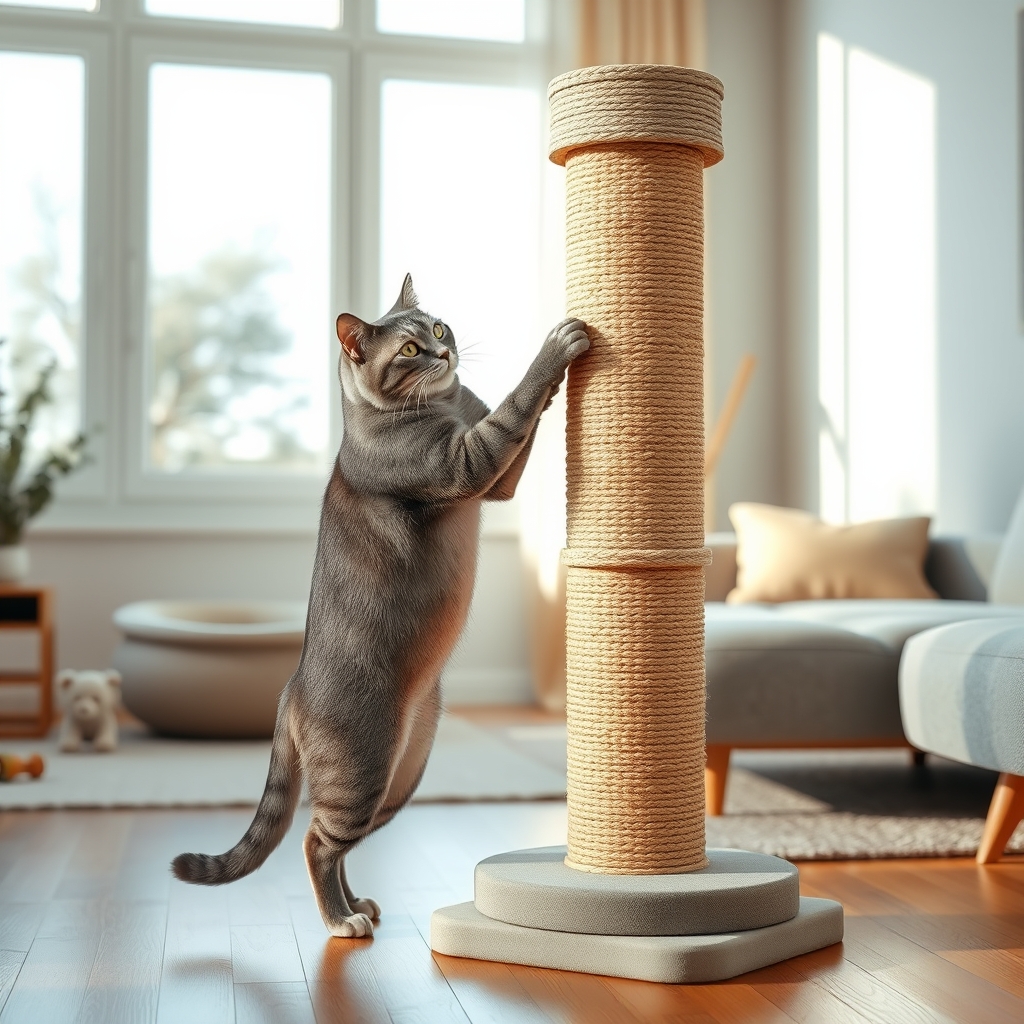
Scratching is as natural to cats as purring or napping in sunbeams. It’s an instinctive behavior that serves multiple purposes: marking territory, stretching muscles, shedding old claw layers, and even relieving stress. Yet, for many cat owners, this essential activity often becomes a source of frustration when favorite furniture or carpets bear the brunt of sharp claws. The solution isn’t to discourage scratching—it’s to redirect it with the right tools. A well-chosen cat scratching post can transform your home from a battleground into a harmonious space where both you and your feline friend thrive.
The Science Behind the Scratch
Understanding why cats scratch is the first step in addressing the behavior effectively. Scratching isn’t just about sharpening claws; it’s a complex form of communication. Cats have scent glands in their paws, and when they scratch, they leave behind both a visual mark and a pheromone signal. This dual marking helps them establish territory, which is especially important in multi-cat households or homes with outdoor stimuli like other animals. Additionally, scratching provides a full-body stretch, engaging muscles from their shoulders to their toes, which is vital for their physical health.
For indoor cats, scratching also serves as an emotional outlet. The act of digging claws into a surface can help alleviate anxiety, boredom, or pent-up energy. When cats don’t have appropriate outlets for these instincts, they may turn to less desirable surfaces—like your sofa or curtains—leading to tension between pet and owner. The key is to provide a scratching post that meets their needs while complementing your home’s aesthetics.
Choosing the Perfect Scratching Post
Not all scratching posts are created equal, and the wrong choice can leave your cat uninterested—or worse, drive them back to your furniture. Here’s what to consider when selecting the perfect post for your feline companion:
Material Matters
Cats have preferences when it comes to scratching surfaces, and these can vary widely. Some cats adore the rough texture of sisal rope, which mimics the bark of trees, their natural scratching surface in the wild. Others prefer corrugated cardboard, which offers a satisfying resistance and is often more budget-friendly. Carpet-covered posts can be hit or miss; while some cats enjoy them, others may find the texture too similar to household carpets, leading to confusion about where scratching is allowed. If you opt for carpet, choose a post with a distinctly different texture to avoid mixed signals.
Size and Stability
A scratching post should be tall enough to allow your cat to stretch fully, typically at least 24 to 36 inches in height. If the post is too short, your cat won’t get the full benefit of the stretch, and they may lose interest. Stability is equally important—nothing deters a cat faster than a wobbly or toppling post. Look for a wide, heavy base or a post that can be securely anchored to a wall or floor. For extra-large or particularly enthusiastic scratchers, consider a post with a weighted base or one that mounts to a wall for added security.
Shape and Orientation
Scratching posts come in a variety of shapes, from vertical towers to horizontal pads and even angled or curved designs. Vertical posts are ideal for cats who love to stretch upward, while horizontal or angled posts suit those who prefer to scratch while lying down or sitting. Some cats enjoy a combination of both, so offering multiple options can help cater to their preferences. If you’re unsure, observe your cat’s natural scratching habits—do they go for the arms of the couch (vertical) or the carpet (horizontal)? This can guide your choice.
Location, Location, Location
Placement is critical when introducing a scratching post. Cats often scratch in high-traffic areas or near their favorite resting spots, as these locations are ideal for marking territory. Place the post in a visible, accessible area where your cat spends a lot of time, such as near a window, by their bed, or close to the furniture they’ve been targeting. If your cat has already claimed a piece of furniture, try placing the post right next to it and gradually moving it to a more desirable location once they’ve started using it consistently.
Encouraging Your Cat to Use the Post
Even the perfect scratching post won’t be effective if your cat ignores it. Fortunately, there are several strategies to encourage them to embrace their new scratching surface:
Make It Irresistible
Cats are drawn to textures and scents, so you can make the post more appealing by rubbing it with catnip or spraying it with a feline attractant spray. You can also dangle a toy near the post to encourage them to reach for it, naturally engaging their claws in the process. Over time, they’ll associate the post with fun and reward, making it their go-to scratching spot.
Positive Reinforcement
Whenever you catch your cat using the post, reward them with praise, pets, or a small treat. Positive reinforcement helps them connect the behavior with something enjoyable, increasing the likelihood they’ll repeat it. Avoid punishing your cat for scratching furniture, as this can create fear or anxiety and may even lead to more destructive behavior. Instead, redirect them to the post and reward the desired behavior.
Protect Your Furniture
While your cat is learning to use the post, you may need to take steps to protect your furniture. Double-sided tape or plastic sheeting can be applied to targeted areas to deter scratching, as cats dislike the sticky or slick texture. You can also use furniture covers or place a scratching pad directly in front of the problem area. Over time, as your cat becomes accustomed to the post, you can gradually remove these deterrents.
Multiple Posts for Multiple Cats
In multi-cat households, it’s important to provide enough scratching options to prevent competition or territorial disputes. A good rule of thumb is to have at least one scratching post per cat, plus an extra one. Place posts in different areas of the home to give each cat their own space to scratch and mark. This not only reduces conflict but also ensures that all cats have easy access to a scratching surface, no matter where they are in the house.
Beyond the Basics: Creative Scratching Solutions
If your cat seems uninterested in traditional scratching posts, it might be time to think outside the box. Some cats prefer unconventional surfaces or setups, and there are plenty of creative options to explore:
Scratching Furniture
For cats who love to scratch but also enjoy lounging, consider a piece of furniture that doubles as a scratching post, such as a cat tree with built-in scratching surfaces or a scratching pad that attaches to the side of a couch. These options blend seamlessly into your home decor while providing your cat with a functional and stylish outlet for their scratching needs.
DIY Scratching Posts
If you’re feeling crafty, you can create a custom scratching post tailored to your cat’s preferences. A simple design might involve wrapping sisal rope around a sturdy wooden post or creating a horizontal scratching pad from corrugated cardboard. DIY posts can be a fun and cost-effective way to experiment with different materials and shapes until you find what your cat loves.
Interactive Scratching Toys
Some cats are more engaged by interactive scratching toys, which combine play and scratching in one. These might include posts with dangling toys, treat-dispensing scratching pads, or even motorized scratching surfaces that move to entice your cat. Interactive options can be particularly useful for high-energy cats who need extra stimulation to stay engaged.
Wall-Mounted Scratchers
For cats who prefer to scratch vertically but don’t have much floor space, wall-mounted scratchers are an excellent solution. These can be installed at varying heights to accommodate your cat’s stretching preferences and can even be arranged in a fun, artistic pattern on the wall. Wall-mounted scratchers are also a great option for small spaces or homes with multiple cats, as they don’t take up valuable floor real estate.
Investing in the right scratching post isn’t just about saving your furniture—it’s about honoring your cat’s natural instincts and providing them with a healthy outlet for their energy and emotions. By choosing a post that aligns with their preferences and placing it in a strategic location, you can create a win-win situation where your cat feels fulfilled and your home remains intact. The journey to finding the perfect scratching solution may require some trial and error, but the reward—a happier, healthier cat and a harmonious home—is well worth the effort. Whether you opt for a classic sisal tower, a sleek wall-mounted design, or a DIY creation, the right scratching post can make all the difference in your cat’s quality of life and your peace of mind.