The Science of Play: How Interactive Cat Toys and Smart Enrichment Transform Your Cat’s Life
Cats are natural hunters, wired with instincts that drive them to stalk, pounce, and explore. Yet, for indoor cats, these instincts often go unfulfilled, leading to boredom, stress, and even behavioral issues. The solution? A thoughtful combination of interactive cat toys and smart enrichment strategies that mimic the challenges of the wild while keeping your feline engaged, active, and mentally sharp. Understanding the science behind play can help you create an environment where your cat thrives, not just survives.
The Evolutionary Roots of Feline Play
To appreciate why play is so vital, it’s essential to look at the evolutionary history of domestic cats. Their wild ancestors, such as the African wildcat, relied on hunting for survival. This required a complex set of skills: patience, precision, agility, and problem-solving. While your house cat may never need to hunt for its dinner, those same instincts remain deeply ingrained. Play is the modern-day outlet for these primal behaviors, providing both physical exercise and mental stimulation.
Research in feline behavior has shown that cats engage in two primary types of play: object play (interacting with toys, scratching posts, or household items) and social play (interacting with humans or other animals). Object play, in particular, satisfies their predatory instincts, allowing them to practice stalking, chasing, and capturing prey—even if that “prey” is a feather wand or a motorized mouse. Without these outlets, cats can become lethargic, anxious, or destructive, redirecting their energy toward furniture, curtains, or even their own tails.
How Interactive Toys Stimulate the Feline Brain
Not all cat toys are created equal. While a simple ball of yarn might entertain your cat for a few minutes, interactive cat toys are designed to engage their brains in ways that static toys cannot. These toys often incorporate movement, unpredictability, or problem-solving elements, which trigger the same neural pathways activated during a real hunt. For example:
- Puzzle Feeders: These toys require cats to manipulate levers, slide panels, or bat at obstacles to release treats. They not only provide mental stimulation but also slow down fast eaters, promoting better digestion.
- Automated Laser Toys: The erratic movement of a laser dot mimics the unpredictable path of prey, encouraging your cat to chase, pounce, and strategize. However, it’s important to occasionally let your cat “catch” a tangible reward, like a treat or a physical toy, to prevent frustration.
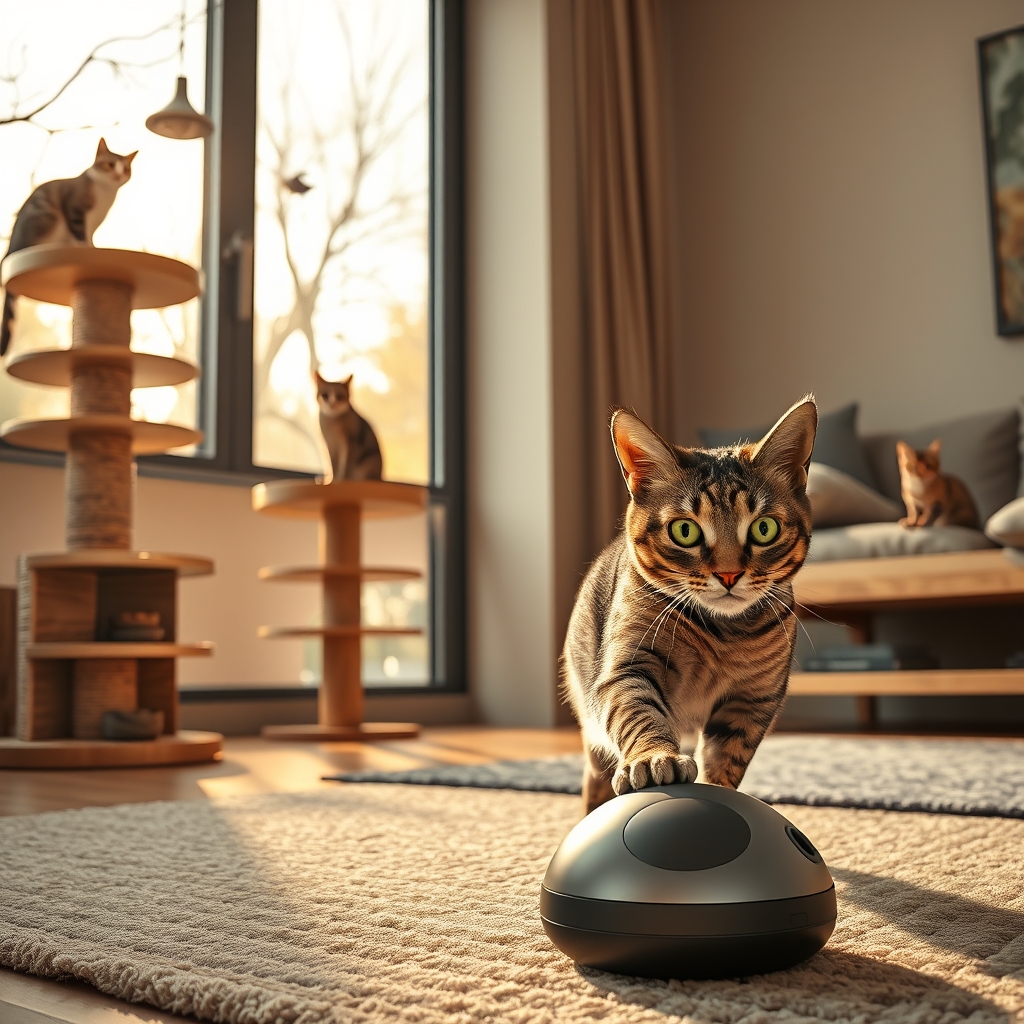
- Motorized Prey Toys: Toys that mimic the movement of small animals, such as robotic mice or fluttering butterflies, tap into your cat’s predatory instincts. The irregular motion keeps them engaged longer than a stationary toy.
- Catnip-Infused Toys: Catnip contains nepetalactone, a compound that stimulates sensory neurons in a cat’s brain, leading to a euphoric response. While not all cats are affected by catnip, those that are often become more playful and energetic when exposed to it.
Studies have shown that cats who regularly engage with interactive toys exhibit lower levels of stress and anxiety. They’re also less likely to develop obesity, diabetes, or other weight-related health issues, as play encourages physical activity. Moreover, interactive play strengthens the bond between you and your cat, as it often involves direct interaction, whether you’re controlling a wand toy or cheering them on as they solve a puzzle.
Smart Enrichment: Beyond the Toy Box
While interactive toys are a cornerstone of feline enrichment, smart enrichment takes it a step further by creating a dynamic environment that evolves with your cat’s needs. This approach is particularly important for indoor cats, who lack the natural stimuli of the outdoors. Here are some innovative ways to enrich your cat’s life:
Vertical Space and Cat Furniture
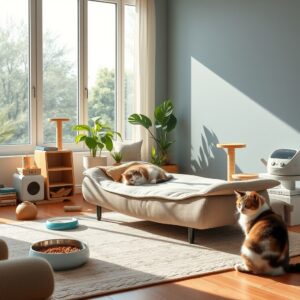
Cats love to climb, perch, and observe their surroundings from a height. Cat trees, wall shelves, and window perches provide vertical space that satisfies their natural desire to survey their territory. This not only gives them a sense of security but also encourages physical activity as they jump and climb. For multi-cat households, vertical spaces can reduce tension by allowing cats to establish their own territories without direct confrontation.
Sensory Stimulation
Cats experience the world through their senses, and enriching their environment means engaging all five. Consider the following:
- Visual Stimulation: Place a bird feeder outside a window or set up a fish tank (with a secure lid) to provide hours of entertainment. You can also use screensavers or videos designed for cats, featuring moving fish or birds.
- Auditory Stimulation: Soft background music, nature sounds, or even a ticking clock can be soothing for some cats. Others may enjoy the crinkle of paper or the rustle of a treat bag.
- Olfactory Stimulation: Introduce new scents, such as silver vine, valerian root, or even fresh cat grass, to pique your cat’s curiosity. Rotating scents can prevent sensory boredom.
- Tactile Stimulation: Provide a variety of textures for your cat to explore, such as sisal scratching posts, plush beds, or crinkly tunnels. Some cats also enjoy the sensation of digging in a shallow box filled with safe, non-toxic materials like shredded paper or dried beans.
Rotating Toys and Novelty
Cats are intelligent creatures that quickly lose interest in the same old toys. To keep them engaged, rotate their toys every few days, introducing new ones while temporarily removing others. This creates a sense of novelty, making old toys feel new again when reintroduced. You can also DIY toys using household items, such as cardboard boxes, paper bags, or crumpled-up aluminum foil balls. The key is to keep their environment fresh and exciting.
Scheduled Playtime
Just as humans benefit from a routine, cats thrive on predictability. Set aside dedicated playtime each day, ideally during dawn and dusk when cats are naturally most active. A 10-15 minute session of interactive play can make a world of difference in your cat’s mood and behavior. Use this time to mimic a hunt: start with slow, teasing movements to engage their stalking instincts, then gradually increase the speed to encourage chasing and pouncing. End the session with a “catch”—a treat or a small meal—to simulate the reward of a successful hunt.
Play is far more than just a way to keep your cat entertained—it’s a fundamental aspect of their well-being. By incorporating interactive cat toys and smart enrichment strategies into their daily routine, you’re not just preventing boredom; you’re honoring their natural instincts, strengthening your bond, and setting the stage for a happier, healthier life. The time and effort you invest in play today will pay dividends in your cat’s behavior, health, and overall quality of life, creating a home where they can truly thrive.