
The Silent Struggle: Understanding and Easing Feline Anxiety for a Calmer, Happier Cat
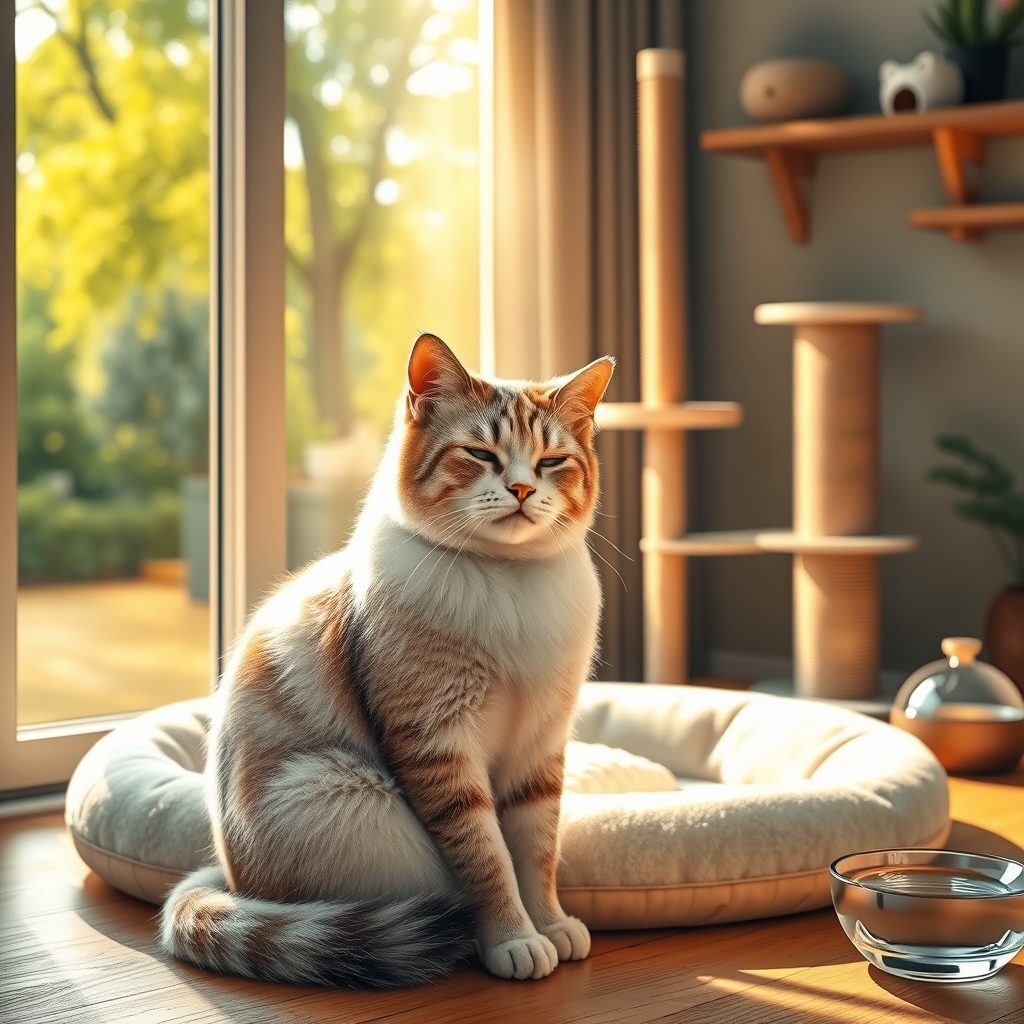
Feline anxiety is a silent but pervasive issue that affects countless cats worldwide, often going unnoticed until it manifests in disruptive or destructive behaviors. Unlike dogs, cats are masters at masking their stress, making it challenging for even the most attentive pet owners to recognize the signs. Understanding the root causes of feline anxiety and implementing effective strategies to alleviate it can transform your cat’s quality of life, fostering a more harmonious home environment for both of you.
Recognizing the Signs of Anxiety in Cats
Cats communicate their anxiety in subtle ways, and what may seem like quirky behavior could actually be a cry for help. Common signs of feline anxiety include excessive grooming, leading to bald patches or irritated skin, sudden aggression toward people or other pets, and changes in appetite—either eating significantly more or less than usual. Some cats may become overly clingy, following their owners from room to room, while others might retreat and hide for extended periods. Urinary issues, such as spraying outside the litter box or frequent urination, are also red flags, particularly if your cat has no underlying medical conditions. Recognizing these signs early is the first step toward addressing the problem.
Common Triggers of Feline Anxiety
Anxiety in cats can stem from a variety of sources, and identifying the trigger is crucial for effective intervention. Changes in the household, such as moving to a new home, introducing a new pet or family member, or even rearranging furniture, can disrupt a cat’s sense of security. Loud noises, like thunderstorms or fireworks, are another common stressor, as cats have highly sensitive hearing. Boredom and lack of stimulation can also lead to anxiety, particularly in indoor cats who may not have enough opportunities to engage in natural behaviors like hunting or exploring. Additionally, past trauma, such as abuse or neglect, can leave lasting emotional scars that manifest as anxiety later in life.
Creating a Safe and Stimulating Environment
One of the most effective ways to ease feline anxiety is by creating an environment that caters to your cat’s natural instincts and provides a sense of security. Start by designating a quiet, cozy space where your cat can retreat when feeling overwhelmed. This could be a secluded corner with a soft bed, a covered cat tree, or even a cardboard box lined with a blanket. Ensure this space is free from loud noises and foot traffic, allowing your cat to decompress in peace.
The Role of Enrichment in Reducing Anxiety
Indoor cats, in particular, benefit greatly from environmental enrichment, which can significantly reduce anxiety by keeping them mentally and physically engaged. Interactive toys, such as puzzle feeders or laser pointers, mimic the hunting experience and provide much-needed mental stimulation. Rotating toys regularly can prevent boredom and keep your cat’s interest piqued. Vertical spaces, like cat trees or wall-mounted shelves, allow cats to climb and observe their surroundings from a safe vantage point, which can be incredibly comforting. Additionally, consider setting up a window perch where your cat can watch birds or passing cars, as this simple activity can provide hours of entertainment.
Behavioral and Therapeutic Interventions
For cats with severe anxiety, behavioral therapy and professional interventions may be necessary. Desensitization and counterconditioning are techniques often used by animal behaviorists to help cats overcome their fears. For example, if your cat is afraid of loud noises, you might start by playing a recording of the noise at a very low volume while offering treats or engaging in a favorite activity. Over time, you gradually increase the volume, helping your cat associate the noise with positive experiences. In some cases, medication or natural supplements, such as pheromone diffusers or calming treats, may be recommended by a veterinarian to help manage anxiety.
Building Trust Through Routine and Positive Reinforcement
Cats thrive on routine, and sudden changes can exacerbate anxiety. Establishing a consistent daily schedule for feeding, playtime, and cuddles can provide a sense of stability and predictability. Positive reinforcement, such as offering treats or praise when your cat exhibits calm behavior, can also help build confidence and reduce anxiety over time. Avoid punishing your cat for anxious behaviors, as this can worsen their stress and damage your bond. Instead, focus on rewarding the behaviors you want to encourage, such as using the scratching post or staying calm during a vet visit.
The Importance of Veterinary Support
Before assuming your cat’s behavioral changes are solely due to anxiety, it’s essential to rule out any underlying medical issues. Conditions like hyperthyroidism, arthritis, or dental pain can cause symptoms that mimic anxiety, such as restlessness, aggression, or changes in appetite. A thorough veterinary checkup, including bloodwork and a physical examination, can help identify or rule out these conditions. If your cat is given a clean bill of health, your veterinarian can work with you to develop a tailored plan for managing anxiety, which may include behavioral therapy, medication, or a combination of both.
Living with an anxious cat can be challenging, but with patience, understanding, and the right strategies, it’s possible to help your feline friend feel more secure and content. By creating a stimulating environment, establishing routines, and seeking professional support when needed, you can transform your cat’s anxiety into a thing of the past. The journey may require time and effort, but the reward—a happier, more relaxed cat—is well worth it. Every small step you take brings you closer to a deeper bond with your pet, built on trust, comfort, and mutual understanding.