The Purr-fect Plate: Crafting a Tailored Cat Diet Plan for Every Life Stage
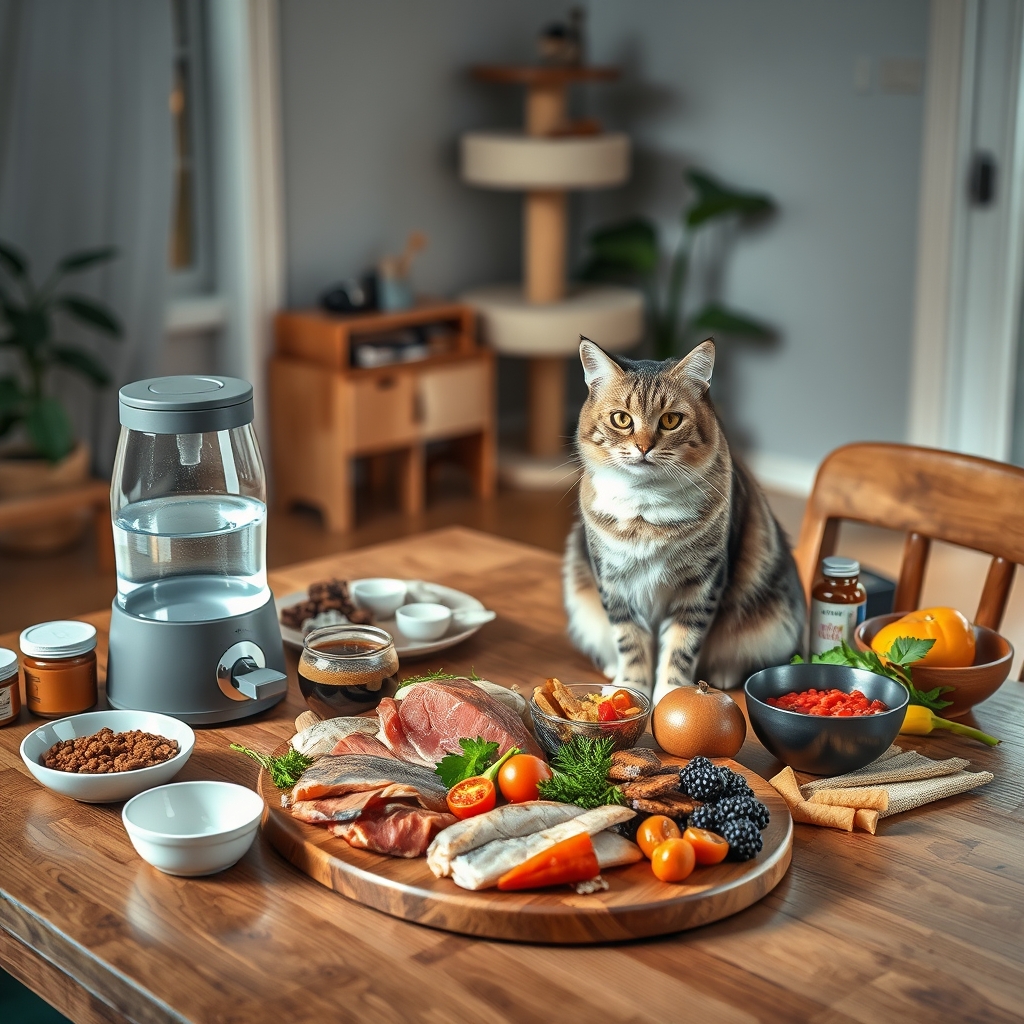
Cats are known for their discerning palates and unique dietary needs. As feline owners, it’s our responsibility to ensure our cats receive a balanced and nutritious diet that supports their health and well-being throughout their lives. In this comprehensive guide, we’ll explore the essentials of a cat diet plan, tailored to different life stages, from kittens to senior cats.
Understanding Cat Nutrition Basics
Protein: The Building Block
Protein is the primary nutrient in a cat’s diet, making up about 40% of their daily caloric intake. Cats are obligate carnivores, meaning they require protein for their survival. High-quality animal-based proteins, such as chicken, turkey, fish, and beef, should be the foundation of your cat’s diet. These proteins provide essential amino acids that support muscle growth, tissue repair, and overall health.
Fat: The Energy Source
Fat is another crucial component of a cat’s diet, providing about 20-30% of their daily calories. Healthy fats, such as those found in fish oil, chicken fat, and animal-based ingredients, are essential for energy production, coat health, and overall well-being. However, it’s important to avoid excessive fat intake, as it can lead to weight gain and other health issues.
Carbohydrates: The Fuel
Carbohydrates make up the remaining 20-30% of a cat’s diet and serve as a primary energy source. Cats have a limited ability to digest carbohydrates, so it’s essential to choose high-quality, easily digestible sources. Whole grains, such as brown rice, oats, and barley, are excellent choices for cats. However, it’s crucial to avoid feeding cats excessive amounts of carbohydrates, as they can lead to obesity and other health problems.
Tailoring the Diet to Different Life Stages
Kitten Care Guide
Kittens have unique dietary needs that differ from adult and senior cats. During their growth and development stages, kittens require a diet rich in protein and fat to support their rapid growth and development. High-quality kitten food, specifically formulated for their age and size, is essential for providing the necessary nutrients. Additionally, kitten food should be easily digestible and free from fillers and artificial additives.
Adult Cat Diet Plan
Adult cats have different nutritional requirements than kittens and senior cats. A balanced diet for adult cats should provide a good mix of protein, fat, and carbohydrates. High-quality adult cat food, specifically formulated for their life stage, is essential for maintaining their health and well-being. It’s crucial to monitor your cat’s weight and adjust their diet accordingly to prevent obesity and other health issues.
Senior Cat Care
As cats age, their nutritional needs change. Senior cats require a diet that supports their overall health and well-being, including joint health, kidney function, and immune system. High-quality senior cat food, specifically formulated for their age and size, is essential for providing the necessary nutrients. Additionally, senior cat food should be easily digestible and free from fillers and artificial additives.
Organic Cat Food: The Healthier Choice
Organic cat food is becoming increasingly popular among cat owners due to its potential health benefits. Organic cat food is made from ingredients that are grown without the use of synthetic pesticides, herbicides, and fertilizers. Additionally, organic cat food is free from artificial additives, preservatives, and by-products. Choosing organic cat food can provide your cat with a healthier and more natural diet, supporting their overall health and well-being.
Cat Supplements and Nutrition
In addition to a balanced diet, cat supplements can provide additional nutritional support for your feline friend. Omega-3 fatty acids, for example, are essential for coat health, skin health, and overall well-being. Probiotics can also support digestive health and immune function. However, it’s essential to consult with your veterinarian before introducing any new supplements into your cat’s diet.
Hydration for Cats
Proper hydration is crucial for a cat’s health and well-being. Cats have a limited ability to conserve water, so it’s essential to ensure they have access to fresh water at all times. Additionally, cats may not always drink enough water, so it’s crucial to monitor their water intake and adjust their diet accordingly. Providing a cat water fountain can encourage your cat to drink more water and stay hydrated.
In conclusion, a well-balanced cat diet plan is essential for supporting your feline friend’s health and well-being throughout their lives. By understanding the basics of cat nutrition and tailoring the diet to different life stages, you can ensure your cat receives the necessary nutrients for optimal health. Choosing organic cat food and incorporating cat supplements can provide additional nutritional support. Proper hydration is also crucial for a cat’s overall health. By following these guidelines, you can provide your cat with a purr-fect plate that supports their well-being and happiness.