The Purr-fect Plate: Crafting a Tailored Cat Diet Plan for Every Life Stage
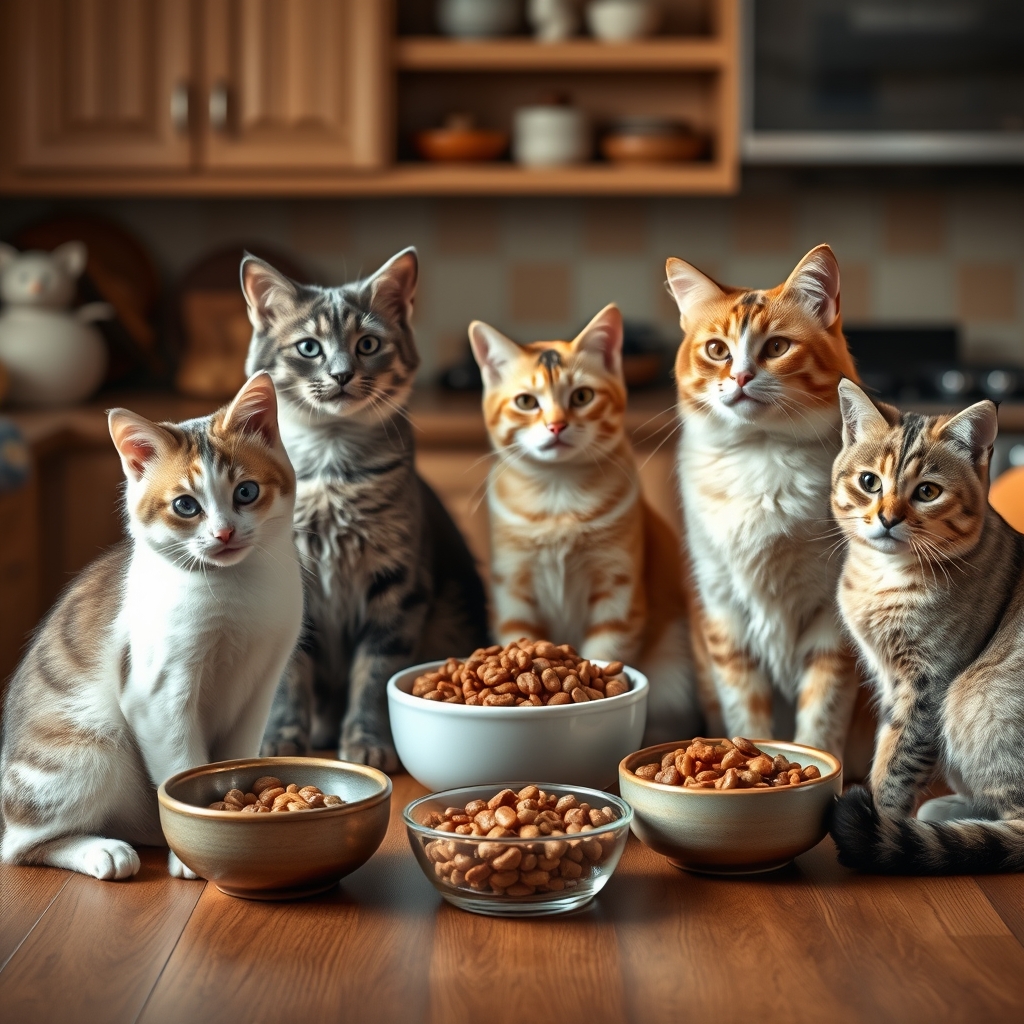
Cats are obligate carnivores, which means their diet should primarily consist of animal-based proteins. However, this doesn’t mean they can’t enjoy a variety of other foods. A balanced diet is crucial for their overall health and well-being. In this article, we’ll explore the essentials of a cat diet plan, tailored to different life stages, from kittens to senior cats.
Kitten Care Guide: Nutrition for Growth and Development
Kittens have unique nutritional needs that change as they grow. A kitten’s diet should be high in protein to support their rapid growth and development. Around 4 to 6 weeks of age, kittens should be transitioned to a kitten-specific formula. This formula is designed to meet the nutritional needs of growing kittens, providing them with the right balance of protein, fat, and carbohydrates.
It’s important to note that kittens should not be fed canned food as their primary source of nutrition. Canned food is often high in fat and low in protein, which can lead to health issues. Instead, kitten milk replacer or formula should be used until the kitten is around 4 to 6 weeks old.
Cat Diet Plan: Maintaining a Healthy Weight
As cats age, their nutritional needs change. Senior cats, for example, may have a harder time maintaining a healthy weight. A diet that’s too high in fat can lead to obesity, which can in turn lead to a host of health problems. Therefore, it’s important to monitor your cat’s weight and adjust their diet accordingly.
For adult cats, a diet that’s 40% protein, 30% fat, and 30% carbohydrates is generally recommended. However, the exact proportions can vary depending on your cat’s individual needs. Always consult with your vet to determine the best diet for your cat.
Organic Cat Food: The Future of Feline Nutrition
Organic cat food is becoming increasingly popular. This is because organic food is free from artificial additives, preservatives, and by-products. It’s also often made with higher-quality ingredients. However, it’s important to note that organic cat food is not necessarily better for your cat. The quality of the ingredients and the manufacturing process are more important than the label.
When choosing organic cat food, look for products that are made with named meat as the first ingredient. Avoid products that contain fillers, by-products, or artificial additives. Also, consider the source of the ingredients. Cats are obligate carnivores, so their diet should be as close to their natural diet as possible.
Cat Supplements Nutrition: Enhancing Your Cat’s Health
Cat supplements can be a great way to enhance your cat’s health. They can provide additional nutrients that your cat may be lacking in their diet. However, it’s important to choose supplements carefully. Not all supplements are created equal, and some can even be harmful to your cat.
When choosing cat supplements, look for products that are specifically formulated for cats. Avoid human supplements, as they can be dangerous for your cat. Also, consult with your vet before starting any new supplement regimen. They can help you determine which supplements are right for your cat.
In conclusion, a balanced diet is crucial for your cat’s overall health and well-being. Whether you’re feeding a kitten, an adult cat, or a senior cat, it’s important to choose a diet that meets their unique nutritional needs. Organic cat food and supplements can be a great way to enhance your cat’s health, but it’s important to choose them carefully and consult with your vet.