The Purr-fect Guide to Senior Cat Wellness: Nurturing Your Aging Feline Companion
As our feline companions age, their unique needs and health considerations become increasingly important. Senior cats, often referred to as geriatric cats, require a holistic approach to wellness that addresses their changing physical, cognitive, and emotional needs. This comprehensive guide aims to provide insights and practical tips to help you nurture your aging feline companion, ensuring they lead a happy, healthy, and fulfilling life.
Understanding Senior Cat Health
Common Health Issues
Senior cats are more prone to certain health issues, including dental disease, obesity, arthritis, kidney disease, and cancer. Regular veterinary check-ups are crucial for early detection and management of these conditions. Additionally, senior cats may experience a decline in their senses, such as vision and hearing, which can affect their behavior and interactions with their human companions.
Diet and Nutrition
A balanced diet is essential for senior cats to maintain their weight and overall health. High-quality, age-appropriate cat food formulated for senior cats can help address common health issues like kidney disease and obesity. It’s important to monitor your cat’s food intake and adjust their portion sizes as needed. Consult with your veterinarian to determine the best diet for your senior cat, taking into account their specific health needs and preferences.
Enrichment and Mental Stimulation
Interactive Play
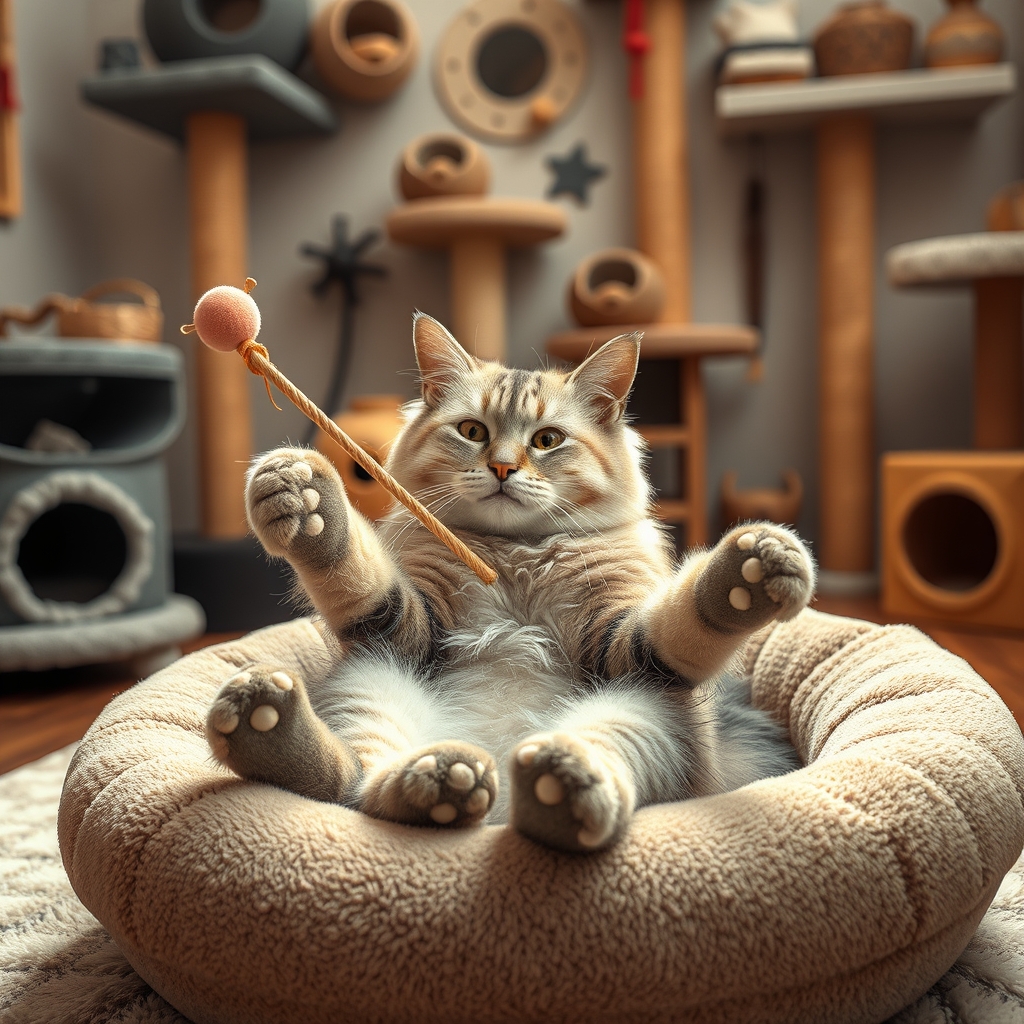
Engaging in interactive play sessions with your senior cat can help maintain their physical activity and mental stimulation. Age-appropriate toys, such as puzzle feeders and wand toys, can provide both physical and mental exercise. Regular play sessions can also help strengthen the bond between you and your senior cat, promoting a sense of security and companionship.
Indoor Enrichment
Creating an enriching indoor environment is crucial for senior cats, as it helps them stay active and engaged. Provide vertical spaces, such as cat trees and shelves, to encourage climbing and perching. Additionally, interactive toys, scratching posts, and hiding spots can help keep your senior cat mentally and physically stimulated. Rotate toys regularly to maintain their interest and prevent boredom.
Grooming and Hygiene
Dental Care
Regular dental care is essential for senior cats, as they are more prone to dental disease. Brushing your cat’s teeth using a cat-specific toothbrush and toothpaste can help prevent plaque buildup and maintain good oral health. Additionally, providing dental treats and toys can encourage your cat to engage in self-grooming and dental care.
Flea and Tick Prevention
Regular flea and tick prevention is crucial for senior cats, as they are more susceptible to these parasites. Consult with your veterinarian to determine the best flea prevention method for your senior cat, such as topical treatments, oral medications, or natural remedies. Regular grooming can also help minimize the risk of flea infestations.
Emotional Support
Calming Treats
Calming treats can help manage stress and anxiety in senior cats, particularly those experiencing separation anxiety or changes in their environment. These treats are typically formulated with ingredients like chamomile, valerian root, or L-theanine, which have natural calming effects. Consult with your veterinarian to determine the best calming treats for your senior cat.
Companionship
Providing companionship and social interaction is essential for senior cats, as it helps promote emotional well-being and reduce feelings of loneliness. Spend quality time with your senior cat, engaging in gentle play, grooming, and cuddling sessions. If you have multiple cats, ensure they have opportunities to interact and bond with each other.
Nurturing your senior cat’s well-being requires a holistic approach that addresses their physical, cognitive, and emotional needs. By understanding common health issues, providing a balanced diet, engaging in interactive play and indoor enrichment, maintaining good grooming and hygiene practices, and offering emotional support, you can help your aging feline companion lead a happy and fulfilling life. As your cat’s primary caregiver, your love, patience, and dedication will go a long way in ensuring their continued health and happiness. Remember, every senior cat is unique, so it’s essential to tailor your approach to meet their specific needs and preferences. With the right care and attention, your senior cat can continue to bring joy and companionship to your life for many years to come.