
The Art of Feline Serenity: A Holistic Approach to Cat Anxiety Relief and Stress-Free Living
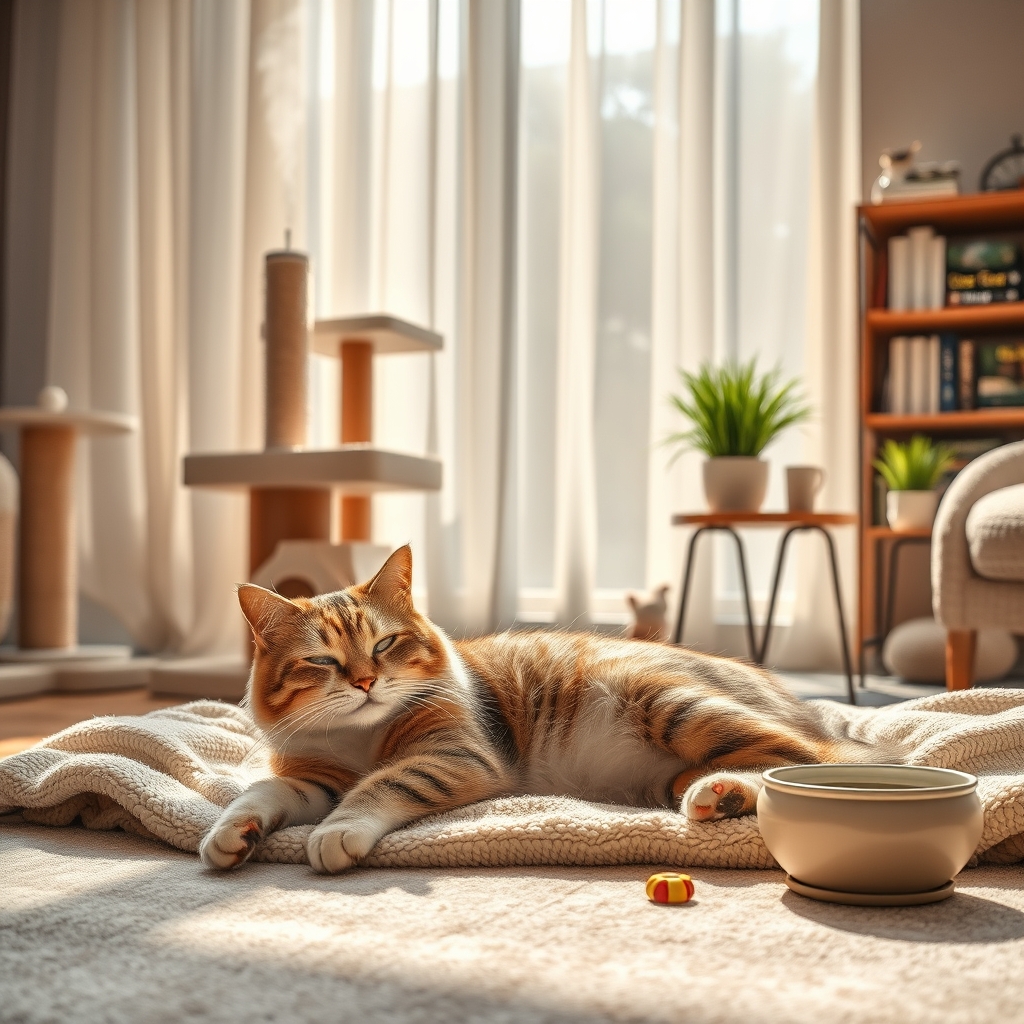
Cats are often perceived as independent, self-assured creatures, but beneath their composed exterior, they can experience anxiety just as deeply as humans. Feline anxiety can manifest in various ways—excessive grooming, hiding, aggression, or even litter box avoidance. Understanding the root causes and implementing holistic strategies can transform your cat’s life, fostering a calmer, happier, and more balanced feline companion.
The Silent Signals: Recognizing Anxiety in Cats
Before addressing anxiety, it’s crucial to recognize its signs. Unlike dogs, cats are masters of subtlety, often masking their distress until it becomes overwhelming. Common indicators include:
- Changes in Behavior: Sudden aggression, excessive meowing, or withdrawal from social interaction.
- Physical Symptoms: Over-grooming, leading to bald patches, or digestive issues like vomiting or diarrhea.
- Litter Box Issues: Avoiding the litter box or urinating outside of it, which can signal stress.
- Destructive Tendencies: Scratching furniture excessively or knocking over objects.
If you notice these behaviors, it’s essential to rule out medical causes with a visit to the veterinarian. Once health issues are dismissed, you can focus on environmental and behavioral solutions.
Creating a Sanctuary: Environmental Enrichment for Anxiety Relief
Cats thrive in environments that cater to their natural instincts—hunting, climbing, and observing. A lack of stimulation can exacerbate anxiety, making enrichment a cornerstone of feline well-being. Here’s how to create a stress-free sanctuary:
Vertical Spaces: The Power of Height
Cats feel secure when they can survey their territory from above. Install cat trees, shelves, or window perches to give your feline friend a vantage point. This not only satisfies their climbing instincts but also provides a safe retreat when they feel overwhelmed.
Interactive Play: Mimicking the Hunt
Engage your cat in daily play sessions using wand toys, laser pointers, or puzzle feeders. These activities simulate hunting, releasing pent-up energy and reducing stress. Aim for at least two 15-minute sessions per day, tailoring the intensity to your cat’s age and energy level.
Safe Zones: A Place to Retreat
Every cat needs a quiet, cozy space where they can retreat when the world feels too chaotic. This could be a covered bed, a cardboard box, or a secluded corner with soft blankets. Ensure this space is always accessible and free from disturbances.
The Role of Nutrition: Calming Through Diet
What your cat eats can significantly impact their mental state. A balanced diet rich in essential nutrients supports brain function and emotional stability. Consider the following dietary adjustments:
Omega-3 Fatty Acids: Nature’s Mood Booster
Omega-3s, found in fish oil or flaxseed, have anti-inflammatory properties that can reduce anxiety. Look for high-quality cat foods or supplements that include these fatty acids. Always consult your vet before introducing new supplements to your cat’s diet.
Probiotics: Gut-Brain Connection
Emerging research suggests a strong link between gut health and mental well-being. Probiotics can promote a healthy gut microbiome, which may alleviate anxiety. Opt for feline-specific probiotics and introduce them gradually.
Hydration: The Overlooked Factor
Dehydration can exacerbate stress and anxiety. Ensure your cat has access to fresh, clean water at all times. Consider a cat water fountain, as many cats prefer running water. Wet food can also contribute to their daily hydration needs.
Behavioral Therapy: Rewiring the Anxious Mind
Behavioral therapy isn’t just for humans—it can work wonders for cats too. The goal is to replace negative associations with positive ones, gradually reducing anxiety triggers. Here’s how to implement it:
Desensitization: Gradual Exposure
If your cat is anxious about specific stimuli—like loud noises or new people—introduce them slowly and at a low intensity. For example, if your cat fears the vacuum cleaner, start by placing it in the room without turning it on. Reward calm behavior with treats or praise, gradually increasing exposure over time.
Counterconditioning: Changing the Emotional Response
Pair anxiety triggers with something positive, like treats or playtime. For instance, if your cat dislikes car rides, start by sitting in the parked car with them, offering treats and gentle reassurance. Over time, they’ll associate the car with positive experiences rather than fear.
Pheromone Therapy: The Power of Scent
Synthetic pheromones, like Feliway, mimic the calming scents cats produce naturally. These can be diffused in your home or applied to your cat’s bedding. They’re particularly effective for reducing stress during travel, vet visits, or changes in the household.
Natural Remedies: Gentle Solutions for a Calmer Cat
For cats with mild anxiety, natural remedies can provide relief without the side effects of medication. Always consult your vet before trying these options:
Herbal Supplements: Nature’s Calm
Herbs like chamomile, valerian root, and catnip (in moderation) can have a soothing effect. These can be found in feline-specific supplements or teas. However, some herbs can be toxic to cats, so professional guidance is essential.
Bach Flower Remedies: Emotional Balance
Rescue Remedy, a blend of flower essences, is often used to alleviate stress in pets. A few drops can be added to your cat’s water or applied to their paws. While anecdotal evidence supports its effectiveness, scientific research is limited, so use it as a complementary therapy.
Massage and Touch: The Healing Power of Connection
Gentle massage can reduce stress by lowering cortisol levels and increasing oxytocin, the “love hormone.” Focus on areas your cat enjoys, like the cheeks, chin, or base of the tail. Always let your cat guide the interaction—if they walk away, respect their boundaries.
Living with an anxious cat can be challenging, but with patience, consistency, and a holistic approach, you can help your feline friend find their inner calm. Every cat is unique, so it may take time to discover what works best for them. By creating a nurturing environment, providing proper nutrition, and exploring behavioral and natural therapies, you’re not just easing their anxiety—you’re giving them the gift of a happier, more fulfilling life. The journey to feline serenity is a partnership, one that deepens the bond between you and your cat in ways you never imagined possible.