The Whiskered Architect: How the Right Cat Furniture Can Transform Your Feline’s Health and Happiness
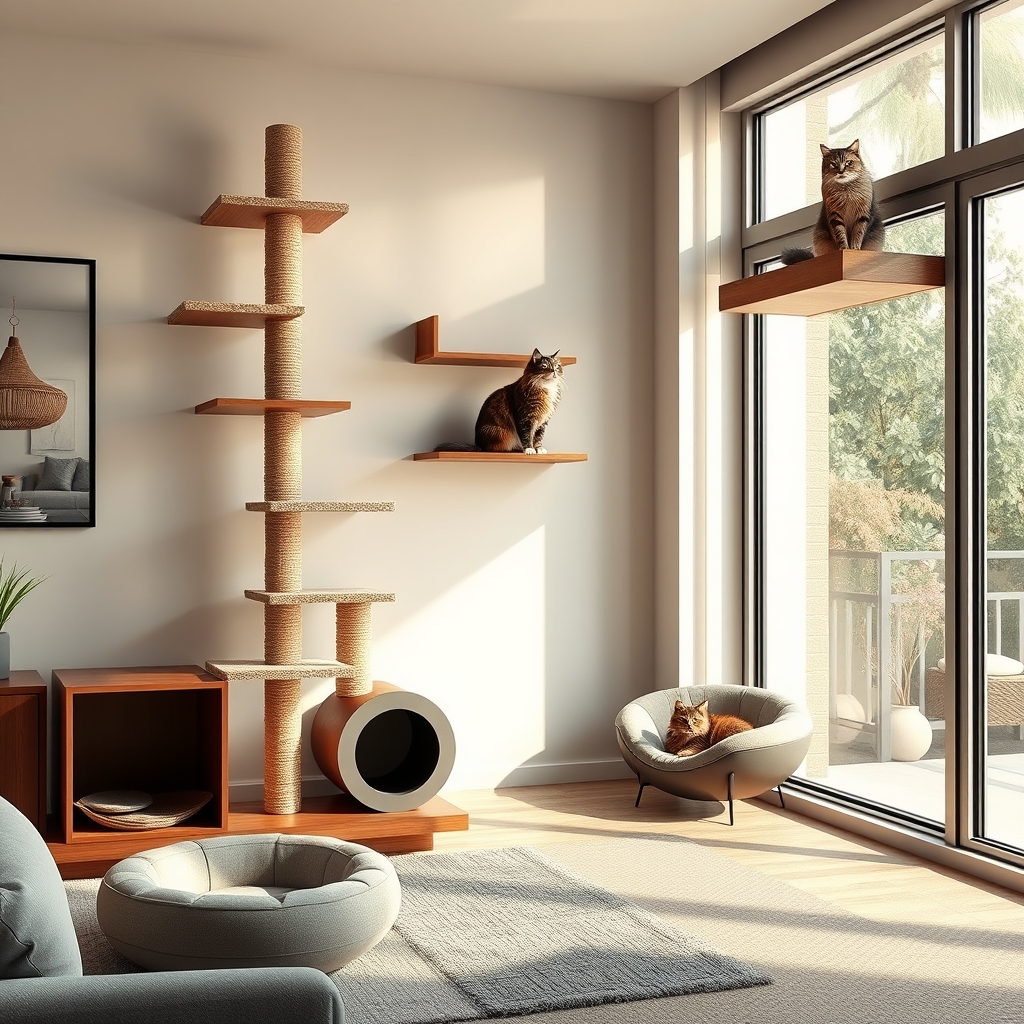
Cats are natural architects, sculpting their environment with precision and purpose. From the way they perch on the highest shelf to the meticulous arrangement of their favorite napping spots, felines have an innate understanding of space and comfort. Yet, many cat owners overlook the profound impact that thoughtfully designed cat furniture can have on their pet’s physical health, mental stimulation, and emotional well-being. The right pieces don’t just blend into your home décor—they become the foundation of a feline paradise, where every scratch, climb, and nap serves a purpose.
The Science Behind Feline Furniture
Cats are hardwired with instincts that drive their behavior, and their environment plays a crucial role in satisfying these primal needs. In the wild, cats climb to survey their territory, scratch to mark their presence, and seek cozy nooks for security. Indoor cats retain these instincts, but without the right outlets, they may resort to destructive behaviors like shredding furniture, knocking over objects, or even developing stress-related health issues. Cat furniture is designed to mimic the vertical and horizontal spaces cats crave, providing them with opportunities to exercise, explore, and relax in ways that align with their natural inclinations.
Research in feline behavior has shown that cats with access to vertical spaces—such as cat trees, wall shelves, or window perches—exhibit lower stress levels and higher overall satisfaction. These structures allow cats to observe their surroundings from a safe vantage point, fulfilling their need for security while also engaging their curiosity. Similarly, scratching posts and pads satisfy the urge to mark territory and maintain claw health, reducing the likelihood of destructive scratching on household items. When these elements are thoughtfully integrated into a home, they create an environment where cats can thrive.
Designing a Feline-Friendly Home
Creating a cat-friendly home isn’t just about adding a few pieces of furniture—it’s about reimagining your space through the eyes of your feline companion. Start by assessing your cat’s current environment. Are there enough high perches for them to climb? Are there designated scratching areas that align with their preferences? Do they have cozy hideaways where they can retreat when they need solitude? If the answer to any of these questions is no, it’s time to rethink your approach.
Vertical Spaces: The Key to a Happy Cat
Cats love to climb, and vertical spaces are essential for their physical and mental well-being. Cat trees, wall-mounted shelves, and window perches are excellent additions to any home, as they provide cats with opportunities to jump, climb, and survey their domain. When selecting vertical furniture, consider the height and stability of the structure. Cats feel more secure on sturdy, well-constructed pieces that won’t wobble or tip over. Additionally, placing these structures near windows can offer cats a stimulating view of the outdoors, keeping them entertained for hours.
Scratching Posts: More Than Just a Claw Sharpener
Scratching is a natural behavior for cats, serving multiple purposes: it helps them shed the outer layer of their claws, stretch their muscles, and mark their territory. However, many cat owners struggle with cats that scratch furniture, carpets, or door frames. The solution lies in providing attractive, durable scratching posts that cater to your cat’s preferences. Some cats prefer vertical posts, while others favor horizontal or angled surfaces. Experiment with different materials, such as sisal, cardboard, or carpet, to determine what your cat likes best. Placing scratching posts near areas where your cat already scratches can also encourage them to use the new furniture instead of your couch.
Cozy Hideaways: The Importance of Safe Spaces
Cats are both predators and prey in the wild, and this duality influences their need for safe, enclosed spaces where they can retreat and feel secure. Cat beds, tunnels, and enclosed perches provide the perfect hideaways for cats to relax, nap, or simply observe their surroundings without feeling exposed. These spaces are particularly important in multi-pet households or homes with young children, where cats may feel overwhelmed. When choosing hideaways, opt for soft, plush materials that provide warmth and comfort, and place them in quiet, low-traffic areas of your home.
The Health Benefits of Thoughtful Cat Furniture
The right cat furniture does more than just keep your pet entertained—it can also have a significant impact on their health. For example, climbing and jumping on cat trees and shelves help cats maintain muscle tone, flexibility, and cardiovascular health. Regular use of scratching posts can prevent overgrown claws, which can lead to painful ingrown nails or difficulty walking. Additionally, providing cats with designated spaces to scratch and climb can reduce stress and anxiety, which are often linked to behavioral issues like aggression or inappropriate elimination.
For senior cats, furniture that accommodates their changing needs is especially important. Low-entry cat trees, orthopedic beds, and heated perches can provide comfort and support for aging joints, while still allowing them to engage in gentle physical activity. Similarly, cats with mobility issues may benefit from ramps or steps that make it easier for them to access their favorite perches. By tailoring your cat’s environment to their specific needs, you can help them maintain their quality of life as they age.
Choosing the Right Furniture for Your Cat
With so many options available, selecting the right cat furniture can feel overwhelming. Start by considering your cat’s personality, age, and physical abilities. Active, playful cats may enjoy tall cat trees with multiple levels and interactive elements like dangling toys or tunnels. Older or less mobile cats may prefer low, stable structures with easy access. Additionally, think about the materials and construction of the furniture. Look for pieces made from durable, non-toxic materials that can withstand daily use. Sisal-covered posts are ideal for scratching, while soft, washable fabrics are perfect for beds and hideaways.
It’s also important to consider the aesthetics of the furniture and how it will fit into your home. Fortunately, many modern cat furniture designs are sleek and stylish, blending seamlessly with contemporary décor. From minimalist wall shelves to chic, modular cat trees, there are plenty of options that cater to both form and function. Don’t be afraid to get creative—DIY projects like repurposing bookshelves or building custom catwalks can add a personal touch to your feline’s environment while also saving you money.
As you embark on the journey of creating a feline-friendly home, remember that the goal is to enhance your cat’s life in meaningful ways. The right cat furniture isn’t just a luxury—it’s a necessity that supports their physical health, mental stimulation, and emotional well-being. By understanding your cat’s instincts and providing them with the tools they need to thrive, you’re not just decorating your home; you’re crafting a sanctuary where your feline companion can live their best life, one purr at a time.