
The Purr-sonal Touch: How Grooming Brushes, Scratching Posts, and Interactive Play Build a Confident Cat
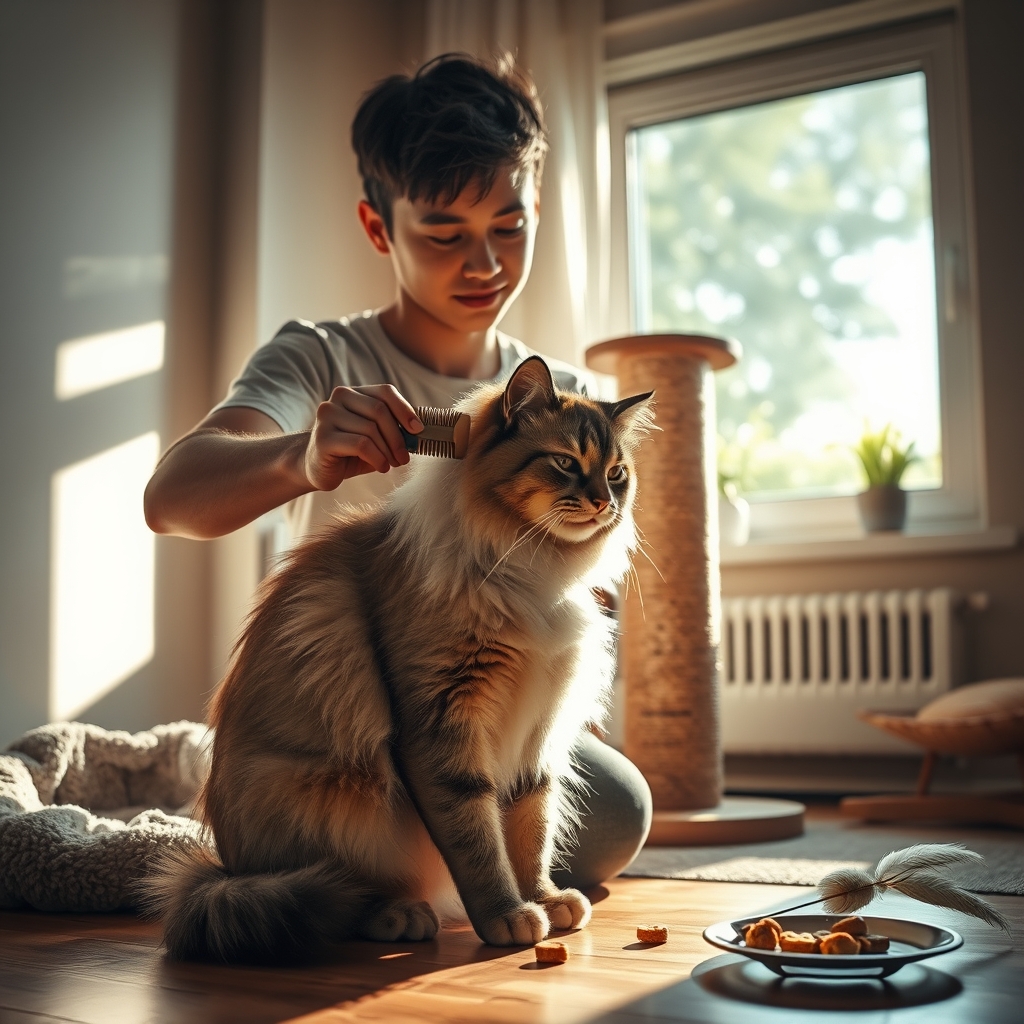
Every cat owner knows the magic of a well-placed chin scratch or the satisfaction of watching their feline stretch out in a sunbeam. But beneath those purrs and playful pounces lies a deeper need—one for confidence, security, and a sense of control over their environment. While premium treats and smart gadgets play their part, some of the most powerful tools for nurturing a self-assured cat are deceptively simple: grooming brushes, scratching posts, and interactive play. These aren’t just accessories; they’re the building blocks of a cat’s emotional and physical well-being.
The Psychology Behind the Purr: Why Grooming Matters
Grooming isn’t just about keeping your cat’s coat shiny—it’s a ritual that strengthens the bond between you and your feline. When a cat grooms itself, it’s not just removing dirt; it’s regulating body temperature, distributing natural oils, and even self-soothing. But when you take over with a high-quality grooming brush, you’re doing more than mimicking this behavior. You’re signaling trust, reinforcing social bonds, and providing tactile stimulation that many cats crave.
For shy or anxious cats, grooming can be a gateway to confidence. A soft-bristled brush or a rubber grooming glove can help desensitize them to touch, especially in areas they might normally avoid, like their paws or belly. Over time, this can translate into a cat that’s more comfortable with handling, vet visits, and even cuddles. The key is consistency—short, positive sessions that end before your cat becomes overstimulated. Pair it with a calming treat or a gentle voice, and you’re not just grooming; you’re building trust.
Choosing the Right Brush for Your Cat’s Coat
Not all grooming brushes are created equal. A long-haired Maine Coon, for example, will need a slicker brush to prevent mats, while a short-haired Siamese might prefer a rubber brush that massages their skin. Here’s a quick guide to matching the brush to the breed:
- Short-haired cats (e.g., British Shorthair, Siamese): A rubber brush or grooming glove works best to remove loose fur and stimulate the skin.
- Medium-haired cats (e.g., Ragdoll, Birman): A medium-bristle brush or a comb with rotating teeth helps detangle without pulling.
- Long-haired cats (e.g., Persian, Norwegian Forest Cat): A slicker brush or a wide-tooth comb is essential for preventing mats and keeping their coat silky.
For cats who are resistant to brushing, start with a grooming glove—they’ll often mistake it for petting and tolerate it better. And always reward them with a small treat or praise to create positive associations.
The Scratching Post: More Than Just a Claw Sharpener
To the uninitiated, a scratching post might seem like a simple piece of cat furniture. But to a cat, it’s a multi-tool: a way to mark territory, stretch their muscles, and even release pent-up energy. Scratching is an instinctive behavior, and denying it can lead to frustration, anxiety, and—let’s be honest—damaged furniture. The right scratching post can redirect this behavior while giving your cat a sense of ownership over their space.
Vertical vs. Horizontal: What Does Your Cat Prefer?
Cats have preferences when it comes to scratching, and those preferences can vary by breed, age, and personality. Some cats love to stretch upward, making tall, sturdy posts ideal. Others prefer to scratch horizontally, which is where sisal mats or low, angled scratchers come in. Here’s how to decode your cat’s scratching style:
- Vertical scratchers: Ideal for cats who love to stretch (think Maine Coons or Bengals). Look for posts that are at least 30 inches tall and sturdy enough to withstand vigorous scratching.
- Horizontal scratchers: Perfect for older cats or breeds like Persians, who may not have the same vertical reach. These can double as lounging spots, too.
- Combination scratchers: Some cats enjoy both! A post with a horizontal base or a wall-mounted scratcher with a flat section can cater to both preferences.
Placement is just as important as the type of scratcher. Cats often scratch after waking up or when they’re feeling territorial, so placing a post near their sleeping area or by a window can encourage use. Sprinkling a little catnip on the post can also entice reluctant scratchers.
Playtime as Confidence Building
Interactive play isn’t just about burning off energy—it’s a way to simulate hunting, build problem-solving skills, and reinforce your cat’s confidence. A wand toy with a feather or a motorized mouse can mimic prey, triggering your cat’s natural instincts to stalk, pounce, and “capture.” But the real magic happens when you let them “win.” Allowing your cat to catch the toy at the end of a play session gives them a sense of accomplishment, which translates into a more self-assured feline.
Tailoring Play to Your Cat’s Personality
Just as humans have different play styles, so do cats. Some are high-energy hunters, while others prefer a more strategic, slow-burn approach. Here’s how to match playtime to your cat’s personality:
- The Hunter: Breeds like Bengals or Abyssinians thrive on fast-paced, unpredictable play. Use wand toys that dart erratically or motorized toys that move on their own.
- The Strategist: Cats like Ragdolls or Scottish Folds may prefer puzzle feeders or toys that require problem-solving, like treat-dispensing balls.
- The Observer: Shy or older cats might enjoy laser pointers (with a physical toy at the end to “catch”) or toys that can be batted around independently.
For cats with separation anxiety, interactive play can be a lifeline. A 10-15 minute session before you leave the house can tire them out and reduce stress. Pair it with a calming treat or a pheromone diffuser, and you’re setting the stage for a more relaxed cat.
Creating a Confidence-Boosting Routine
Confidence isn’t built in a day—it’s the result of consistent, positive experiences. A daily routine that incorporates grooming, scratching, and play can help your cat feel secure in their environment and in their relationship with you. Start with a grooming session to establish trust, follow it with a play session to burn off energy, and end with a scratching post workout to reinforce their territory. Over time, you’ll notice a cat that’s not just well-behaved, but truly at ease in their own fur.
Cats are masters of subtlety, and their confidence often reveals itself in small ways—a slow blink, a head bump, or the way they curl up beside you instead of hiding under the bed. By incorporating grooming, scratching, and interactive play into their daily life, you’re not just pampering them; you’re giving them the tools to navigate the world with curiosity and poise. And in the end, isn’t that what every cat owner wants? A feline who’s not just surviving, but thriving—one purr, scratch, and playful pounce at a time.