
The Hidden World of Feline Separation Anxiety: Strategies for a Happier, Calmer Cat
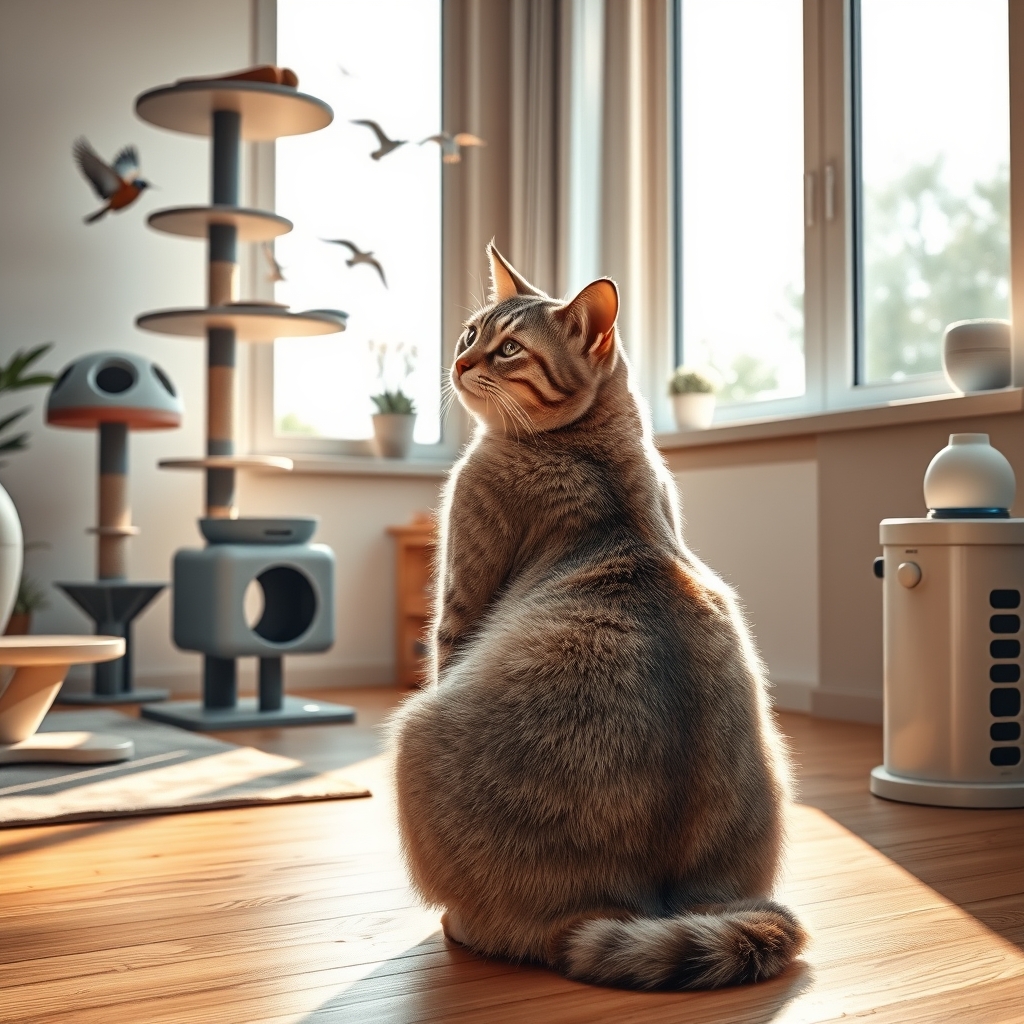
Feline separation anxiety is a silent struggle that many cat owners face, often without even realizing it. While cats are often perceived as independent creatures, they form deep bonds with their humans and can experience significant stress when left alone. Unlike dogs, whose anxiety may manifest in destructive chewing or excessive barking, cats often express their distress in subtler ways—excessive grooming, changes in appetite, or even litter box avoidance. Understanding these signs and implementing effective strategies can transform your cat’s emotional well-being and strengthen your bond.
The Subtle Signs of Feline Separation Anxiety
Cats are masters of disguise when it comes to hiding their emotions, but keen observation can reveal the telltale signs of separation anxiety. Some cats may become overly clingy when you’re home, following you from room to room or vocalizing excessively. Others might retreat into hiding, refusing to engage in their usual activities. Physical symptoms can include over-grooming to the point of creating bald patches, loss of appetite, or sudden weight loss. In some cases, cats may even urinate outside the litter box as a way to cope with their stress. Recognizing these behaviors early is the first step toward addressing the root cause of their anxiety.
Environmental Enrichment: A Key to Calming Anxious Cats
One of the most effective ways to alleviate separation anxiety is by creating an environment that keeps your cat mentally and physically stimulated. Interactive cat toys, such as puzzle feeders or motorized mice, can engage their natural hunting instincts and provide hours of entertainment. Cat trees, scratching posts, and window perches offer vertical space for climbing and observing the world outside, which can be incredibly soothing. For cats that enjoy a challenge, consider rotating toys weekly to keep their environment fresh and exciting. Even simple additions like cardboard boxes or paper bags can provide a sense of security and play.
The Role of Routine and Predictability
Cats thrive on routine, and sudden changes in their daily schedule can trigger anxiety. Establishing a consistent feeding, play, and cuddle routine can help your cat feel more secure. Automated cat feeders can be particularly useful for maintaining a predictable feeding schedule, even when you’re not home. Pairing this with calming treats designed to reduce stress can further ease their anxiety. If your schedule is unpredictable, consider leaving soft background music or a white noise machine to create a soothing atmosphere. Some cats also respond well to pheromone diffusers, which mimic natural feline calming signals.
Building Trust Through Positive Reinforcement
Training your cat to associate your departures with positive experiences can significantly reduce their anxiety. Start by practicing short absences, gradually increasing the time you’re away. Reward your cat with premium cat treats or gentle praise when they remain calm. Avoid making a big deal out of arrivals and departures, as this can heighten their stress. Instead, keep your interactions low-key to help them understand that your comings and goings are a normal part of life. Over time, this approach can help desensitize them to your absence and build their confidence.
When to Seek Professional Help
While environmental changes and routine adjustments can work wonders, some cats may require additional support. If your cat’s anxiety persists despite your best efforts, it may be time to consult a veterinarian or a feline behaviorist. They can rule out underlying medical issues and recommend tailored solutions, such as prescription medications or specialized training programs. In some cases, adopting a second cat can provide companionship and reduce loneliness, but this decision should be made carefully, considering your cat’s personality and preferences.
The Power of Small Changes
Addressing feline separation anxiety doesn’t always require drastic measures. Sometimes, the smallest adjustments—like leaving a worn T-shirt with your scent in their favorite spot or installing a bird feeder outside a window—can make a world of difference. The goal is to create a safe, engaging, and predictable environment where your cat feels secure, even when you’re not there. By paying attention to their needs and responding with compassion, you can help your feline friend navigate their anxiety and enjoy a happier, more balanced life. Every cat is unique, and what works for one may not work for another, but the effort you put into understanding and supporting them will deepen the bond you share in ways you never imagined.