Beyond the Bowl: Unlocking the Secrets of Hydration for Cats and Why It Matters More Than You Think
Water is the essence of life, yet when it comes to our feline companions, it’s often the most overlooked aspect of their care. Cats, by nature, have a low thirst drive—a trait inherited from their desert-dwelling ancestors who evolved to extract moisture from their prey. While this adaptation served them well in the wild, it poses a unique challenge for indoor cats, whose diets often consist of dry kibble. The consequences of chronic dehydration can be subtle but severe, ranging from urinary crystals and kidney disease to lethargy and poor coat quality. Understanding the nuances of feline hydration is the first step toward ensuring your cat thrives, not just survives.
The Hidden Signs of Dehydration in Cats
Unlike dogs, who will eagerly lap up water from a bowl, cats are masters of disguise when it comes to their health. Dehydration in felines can manifest in ways that are easy to dismiss as mere quirks or bad habits. A cat that suddenly starts urinating outside the litter box, for instance, might not be acting out—it could be signaling discomfort caused by concentrated urine. Other red flags include dry, tacky gums, sunken eyes, or a loss of skin elasticity (a gentle pinch of the skin at the scruff should snap back immediately; if it doesn’t, dehydration may be the culprit). Even something as simple as a lack of energy or a dull coat can be a cry for help. The key is to observe your cat’s habits closely and act before these signs escalate into serious health issues.
Why Dry Food Alone Isn’t Enough
Dry cat food, or kibble, is a staple in many households due to its convenience and long shelf life. However, it contains only about 10% moisture, compared to the 70-80% found in wet food or a cat’s natural prey. Feeding a diet exclusively composed of dry food forces cats to rely solely on their water bowl to meet their hydration needs—a tall order for an animal with a naturally low thirst drive. Over time, this can lead to a chronic state of mild dehydration, which strains the kidneys and bladder. While wet food isn’t a magic bullet, it can significantly reduce the risk of dehydration-related illnesses by providing moisture directly in the diet. For cats who turn their noses up at wet food, mixing a bit of water or low-sodium broth into their kibble can be a simple yet effective compromise.
Creative Ways to Encourage Your Cat to Drink More
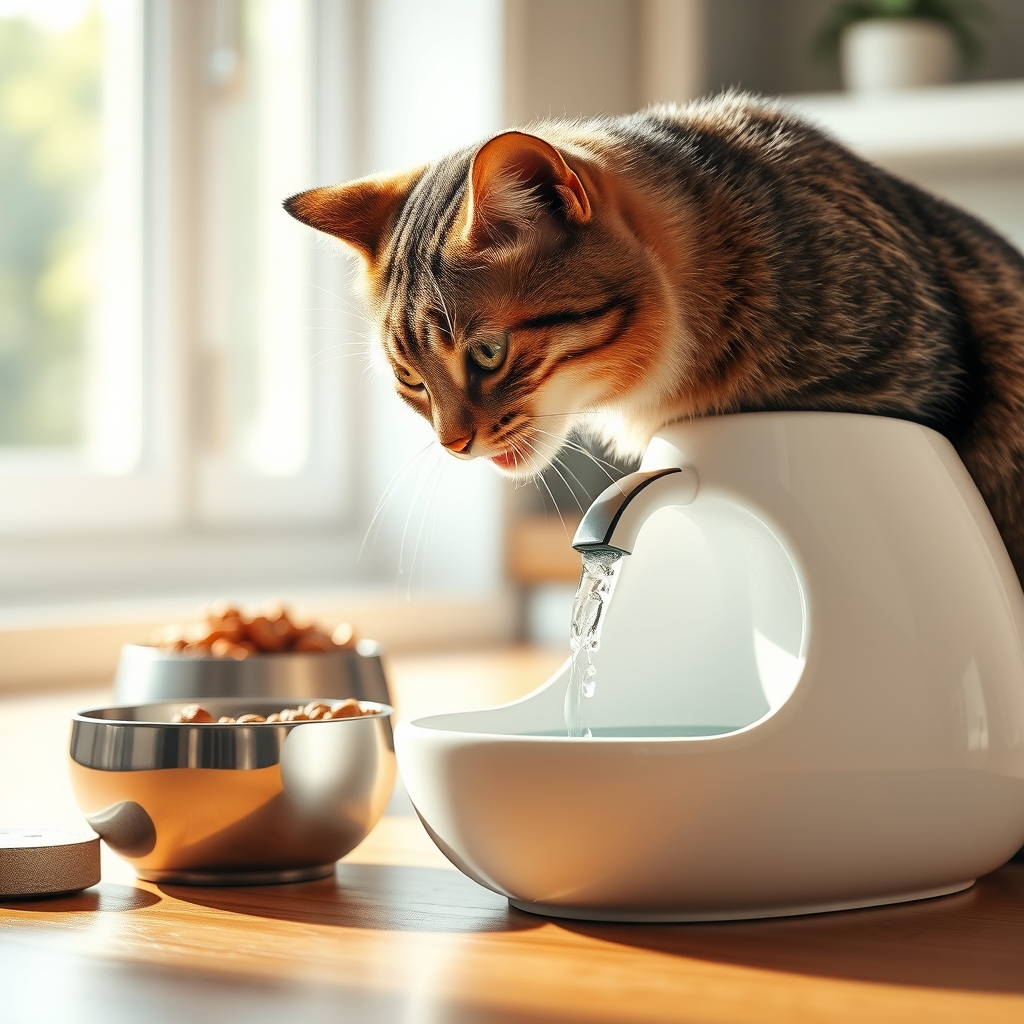
If your cat treats their water bowl like an afterthought, you’re not alone. Many cats prefer running water, which is why investing in a cat water fountain can be a game-changer. The movement of the water not only attracts their attention but also mimics the fresh, flowing sources they’d seek out in the wild. Placement matters, too—cats are more likely to drink if their water bowl is far from their food (to avoid contamination) and in a quiet, low-traffic area. Some cats even prefer wide, shallow bowls that don’t touch their whiskers, which can be sensitive to pressure. Experimenting with different types of bowls—ceramic, stainless steel, or glass—can also make a difference, as some cats are put off by the taste or smell of plastic.
The Role of Hydration in Preventing Common Feline Ailments
One of the most compelling reasons to prioritize hydration is its role in preventing urinary tract diseases, which are alarmingly common in cats. Conditions like feline lower urinary tract disease (FLUTD) and urinary crystals thrive in concentrated urine, where minerals can clump together and cause blockages—a life-threatening emergency, especially in male cats. Adequate hydration dilutes the urine, flushing out toxins and reducing the risk of these painful conditions. Beyond the urinary tract, proper hydration supports kidney function, aids digestion, and even helps regulate body temperature. For senior cats, whose kidneys may not be as efficient as they once were, hydration becomes even more critical in maintaining their quality of life.
Hydration Hacks for Picky Drinkers
For cats who stubbornly refuse to drink enough water, there are a few clever tricks to boost their intake without them even realizing it. One of the simplest is to add a splash of tuna water or chicken broth (unsalted and onion-free) to their water bowl. The enticing aroma can pique their interest and encourage them to lap up more than they normally would. Another option is to offer ice cubes made from low-sodium broth as a fun, interactive treat. Some cats enjoy batting them around before licking them, which provides both hydration and enrichment. For multi-cat households, placing multiple water stations around the home can prevent competition and ensure each cat has easy access to fresh water. Even something as small as changing the water daily can make a difference, as cats are more likely to drink from a clean bowl.
When to Seek Veterinary Advice
While most cases of mild dehydration can be managed at home, there are times when professional intervention is necessary. If your cat shows signs of severe dehydration—such as lethargy, refusal to eat, or vomiting—it’s crucial to seek veterinary care immediately. These symptoms can indicate an underlying condition, such as kidney disease or diabetes, which requires medical treatment. Your vet may recommend subcutaneous fluids (administered under the skin) to rehydrate your cat quickly, or they may run tests to rule out more serious issues. Even if your cat seems fine, regular check-ups can help catch early signs of dehydration-related problems before they become emergencies.
Hydration is the unsung hero of feline health, a silent guardian that protects against some of the most common and debilitating conditions cats face. It’s easy to assume that if your cat isn’t drinking much, they must be getting enough moisture elsewhere—but that assumption can come at a cost. By making small, intentional changes to their diet and environment, you can help your cat stay hydrated, healthy, and happy for years to come. After all, a well-hydrated cat isn’t just a content cat; it’s a cat with a fighting chance against the invisible threats that lurk in every dry kibble and ignored water bowl.