The Litter Revolution: How Natural Cat Litter is Transforming Feline Health and the Environment
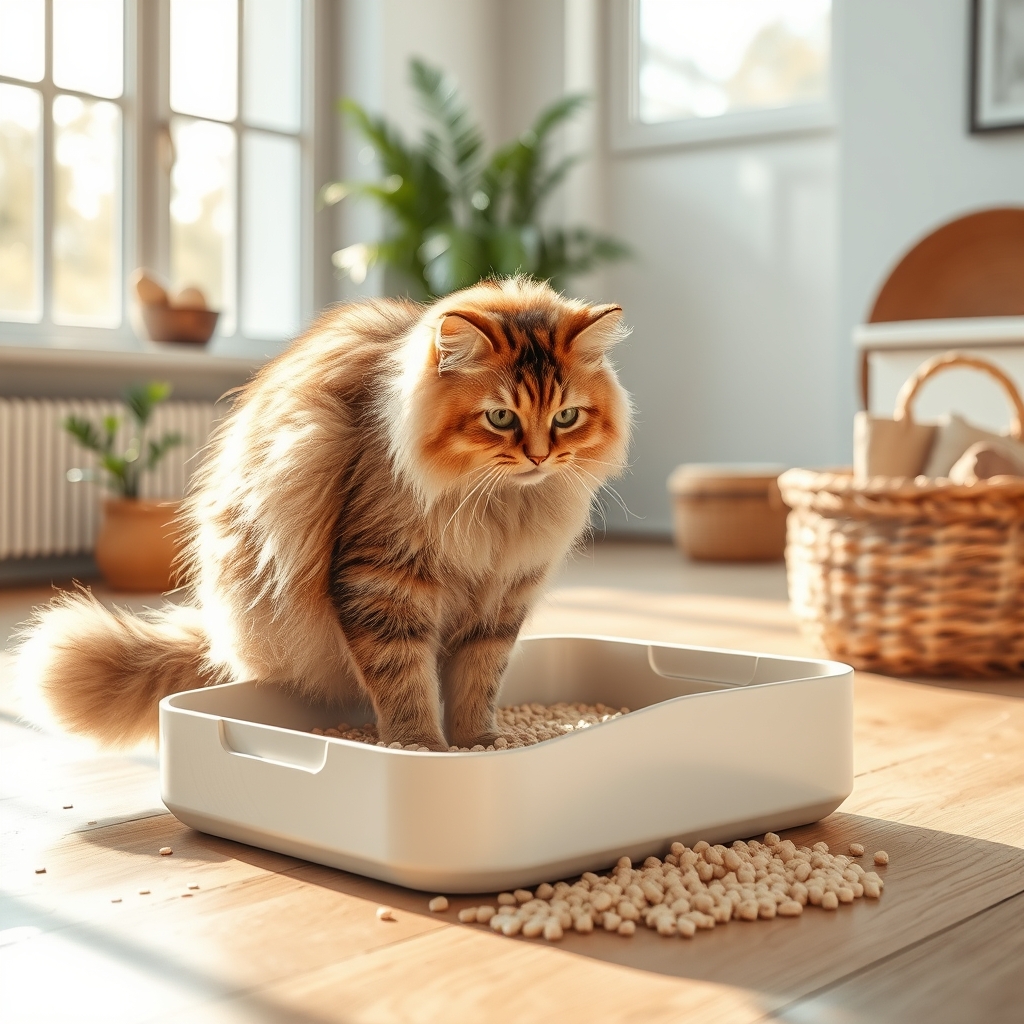
When it comes to cat care, one of the most overlooked yet essential aspects is the type of litter used in the litter box. Traditional clay-based litters have been the go-to choice for decades, but they come with a host of environmental and health concerns. Enter natural cat litter—a game-changer for both feline wellness and sustainability. This shift isn’t just a trend; it’s a revolution in how we care for our cats and the planet.
The Environmental Impact of Traditional Cat Litter
Most conventional cat litters are made from sodium bentonite clay, which is strip-mined from the earth. This process is not only destructive to ecosystems but also energy-intensive, contributing to carbon emissions. Additionally, clay litter is not biodegradable, meaning it ends up in landfills where it can take centuries to break down. For eco-conscious pet owners, this is a significant concern, especially as the demand for sustainable products continues to grow.
Natural cat litters, on the other hand, are typically made from renewable resources like corn, wheat, pine, recycled paper, or even coconut husks. These materials are biodegradable, compostable (in some cases), and often require less energy to produce. By switching to natural litter, cat owners can drastically reduce their environmental footprint while still providing a clean and comfortable space for their feline companions.
Health Benefits for Your Cat
Beyond environmental advantages, natural cat litters offer several health benefits for cats. Traditional clay litters often contain artificial fragrances, dyes, and chemicals that can irritate a cat’s respiratory system, especially for those with asthma or allergies. The dust from clay litter can also be problematic, leading to respiratory issues or exacerbating existing conditions.
Natural litters are generally free from synthetic additives, making them a safer option for cats with sensitivities. For example, pine-based litters naturally neutralize odors without the need for artificial fragrances, while paper-based litters are virtually dust-free, reducing the risk of respiratory irritation. Some natural litters even have antimicrobial properties, helping to keep the litter box cleaner and reducing the risk of bacterial growth.
Reducing the Risk of Urinary Tract Issues
One of the lesser-known benefits of natural cat litter is its potential to reduce the risk of urinary tract issues. Some natural litters, particularly those made from wheat or corn, are designed to clump more effectively, making it easier to monitor a cat’s urine output. This can be crucial for early detection of urinary problems, such as crystals or infections, which are common in cats and can become life-threatening if left untreated.
Additionally, natural litters often have a lower pH, which can help prevent the formation of struvite crystals—a common cause of urinary blockages in cats. While diet plays a significant role in urinary health, the type of litter used can also contribute to overall feline wellness.
Choosing the Right Natural Litter for Your Cat
With so many options available, selecting the right natural litter can feel overwhelming. Here are a few factors to consider when making the switch:
Clumping vs. Non-Clumping
Clumping litters are popular because they make cleanup easier, but not all natural litters clump effectively. Wheat and corn-based litters tend to clump well, while pine and paper litters may not. If clumping is a priority, look for litters specifically labeled as clumping or test a small amount before committing to a larger bag.
Odor Control
Natural litters often rely on the properties of their base materials to control odors. Pine, for example, has natural antimicrobial properties, while activated charcoal can be added to some litters for enhanced odor control. If odor is a concern, opt for litters that highlight their odor-neutralizing capabilities.
Dust and Tracking
Dust can be a significant issue with clay litters, but some natural litters are also prone to dustiness. Paper-based litters are typically the least dusty, while pine and wheat litters may produce more dust. Tracking—the tendency of litter to stick to a cat’s paws and spread outside the box—can also vary. Heavier litters like pine or corn tend to track less than lighter options like paper.
Cost and Availability
Natural litters can be more expensive than traditional clay litters, but prices vary widely depending on the brand and type. Some natural litters are available in bulk or subscription services, which can help reduce costs over time. It’s also worth checking local pet stores or online retailers to compare prices and availability.
Making the Transition Smoothly
Switching to a new type of litter can be challenging for some cats, especially those set in their ways. To make the transition smoother, consider mixing the new natural litter with the old litter gradually over a week or two. This allows your cat to adjust to the new texture and scent without feeling overwhelmed. Additionally, ensure the litter box is clean and placed in a quiet, accessible location to encourage use.
If your cat is particularly resistant to change, try placing a second litter box with the new litter alongside the old one. This gives your cat the option to explore the new litter at their own pace. Patience is key—some cats may take longer to adjust, but most will eventually accept the change, especially if the new litter is more comfortable or appealing.
Natural cat litter isn’t just a passing fad; it’s a meaningful step toward better health for cats and a healthier planet. By making the switch, cat owners can reduce their environmental impact, minimize exposure to harmful chemicals, and even improve their cat’s well-being. The choices we make for our pets have far-reaching consequences, and opting for natural litter is one small change that can make a big difference in the long run. Whether you’re motivated by sustainability, health, or simply providing the best for your feline friend, natural cat litter offers a solution that benefits everyone involved.