The Ultimate Guide to Senior Cat Wellness: Nurturing Your Aging Feline with Love and Expert Care
As our feline companions gracefully enter their golden years, their needs evolve, requiring a thoughtful and proactive approach to ensure they remain happy, healthy, and comfortable. Senior cats, typically those aged seven and older, may face a range of age-related challenges, from reduced mobility to changes in dietary requirements. Understanding these shifts and adapting your care routine can make a world of difference in their quality of life. This guide explores the essential aspects of senior cat wellness, offering practical tips and insights to help you provide the best possible care for your aging feline friend.
The Aging Process: What to Expect
Just like humans, cats experience physical and behavioral changes as they age. These transformations can be subtle or more pronounced, depending on factors such as genetics, lifestyle, and overall health. Common signs of aging in cats include decreased activity levels, weight fluctuations, changes in coat texture, and alterations in sleep patterns. Some cats may also develop age-related conditions such as arthritis, dental disease, or kidney issues. Recognizing these changes early allows you to address them promptly, ensuring your cat remains comfortable and content.
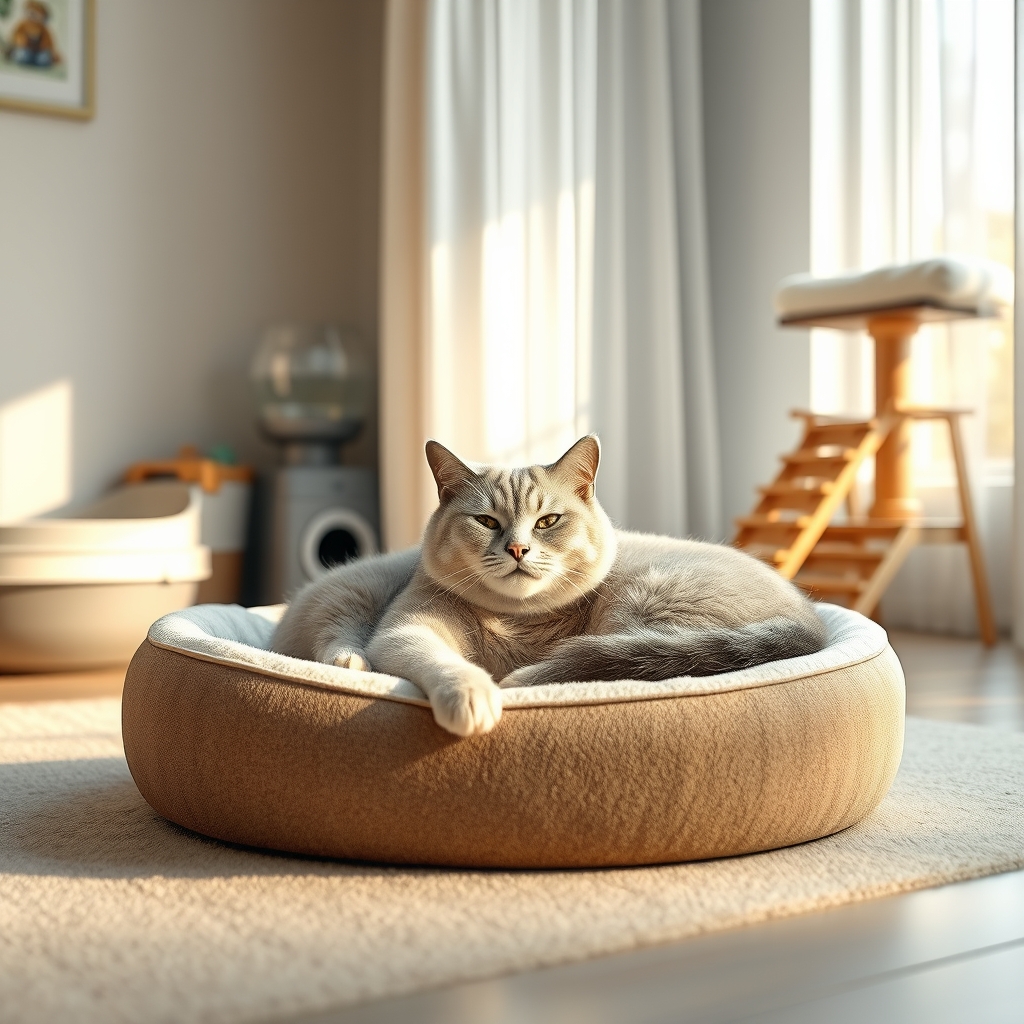
One of the most noticeable shifts in senior cats is their energy levels. While some may retain their playful spirit well into their later years, others may prefer longer naps and gentler activities. It’s essential to observe your cat’s behavior and adjust their environment accordingly. For instance, providing cozy, easily accessible resting spots can help them conserve energy while still feeling secure and loved. Additionally, senior cats may become more vocal or seek extra attention, signaling their need for companionship and reassurance.
Nutrition: Fueling Your Senior Cat’s Health
Diet plays a pivotal role in maintaining your senior cat’s health. As their metabolism slows and their activity levels decrease, their nutritional needs change. Senior-specific cat food formulas are designed to address these shifts, often featuring lower calorie counts to prevent weight gain, higher fiber content for digestive health, and added supplements like glucosamine and chondroitin to support joint health. Consulting with your veterinarian can help you select the best diet for your cat’s unique needs, whether that involves a prescription diet or a high-quality commercial option.
Hydration is another critical aspect of senior cat nutrition. Older cats are more prone to dehydration, which can exacerbate kidney issues and other health problems. Encouraging water intake can be as simple as providing multiple water bowls around the house or investing in a cat water fountain, which many cats find enticing. Wet food can also contribute to their daily water intake, making it a valuable addition to their diet.
Supplements for Senior Cats
In addition to a balanced diet, certain supplements can support your senior cat’s wellness. Omega-3 fatty acids, for example, are known for their anti-inflammatory properties and can help manage conditions like arthritis. Probiotics can aid in digestive health, while antioxidants like vitamin E and C may support cognitive function. Always consult your veterinarian before introducing any new supplements to ensure they are safe and appropriate for your cat’s specific health profile.
Health Care: Regular Check-Ups and Early Detection
Regular veterinary visits are crucial for senior cats, as they allow for early detection and management of potential health issues. Most veterinarians recommend bi-annual check-ups for cats over the age of seven, which may include blood work, urinalysis, and other diagnostic tests. These screenings can uncover hidden problems such as kidney disease, diabetes, or thyroid imbalances, enabling timely intervention and treatment.
Dental care is another vital component of senior cat health. Dental disease is common in older cats and can lead to pain, infection, and even systemic health issues if left untreated. Regular teeth brushing, dental treats, and professional cleanings can help maintain your cat’s oral health. If your cat shows signs of dental discomfort, such as drooling, difficulty eating, or bad breath, a visit to the vet is in order.
Managing Chronic Conditions
Many senior cats develop chronic conditions that require ongoing management. Arthritis, for instance, can significantly impact your cat’s mobility and comfort. Providing soft bedding, ramps or steps to help them access their favorite spots, and gentle exercise can alleviate some of the discomfort associated with this condition. Pain management, under the guidance of your veterinarian, may also be necessary to improve your cat’s quality of life.
Kidney disease is another common issue in older cats. Early detection through regular blood and urine tests can help manage the condition with dietary changes, medications, and increased hydration. Monitoring your cat’s water intake and litter box habits can provide valuable clues about their kidney health, allowing you to address any concerns promptly.
Enrichment and Comfort: Enhancing Your Senior Cat’s Environment
Creating a stimulating and comfortable environment is essential for your senior cat’s mental and physical well-being. While their activity levels may decrease, their need for engagement and enrichment remains. Interactive toys, puzzle feeders, and gentle play sessions can keep their minds sharp and their bodies active. Even simple activities like watching birds through a window or exploring a new scratching post can provide valuable stimulation.
Comfort is equally important for senior cats. Soft, orthopedic beds can ease joint pain, while heated pads or blankets can soothe achy muscles. Ensuring their litter box is easily accessible, with low sides for easy entry and exit, can prevent accidents and reduce stress. Additionally, maintaining a consistent routine can help your cat feel secure and relaxed, minimizing anxiety and confusion.
Bonding and Emotional Well-Being
The emotional bond between you and your senior cat is a powerful tool in promoting their overall wellness. Spending quality time together, whether through gentle grooming sessions, cuddles, or simply sitting nearby, can strengthen your connection and provide comfort to your cat. Pay attention to their body language and vocalizations, as these can offer insights into their emotional state. Some senior cats may become more clingy or seek extra attention, while others may prefer solitude. Respecting their preferences and providing a loving, supportive environment is key to their happiness.
Caring for a senior cat is a rewarding journey that deepens the bond between you and your feline companion. By understanding their evolving needs and adapting your care routine accordingly, you can ensure their golden years are filled with comfort, love, and joy. Every cat is unique, and their aging process will reflect their individual personality and health history. With patience, attentiveness, and a commitment to their well-being, you can help your senior cat thrive, celebrating each moment you share together as they gracefully navigate this special stage of life.