The Modern Cat Owner’s Guide to Innovative Litter Solutions: Smart, Eco-Friendly, and Stress-Free Choices
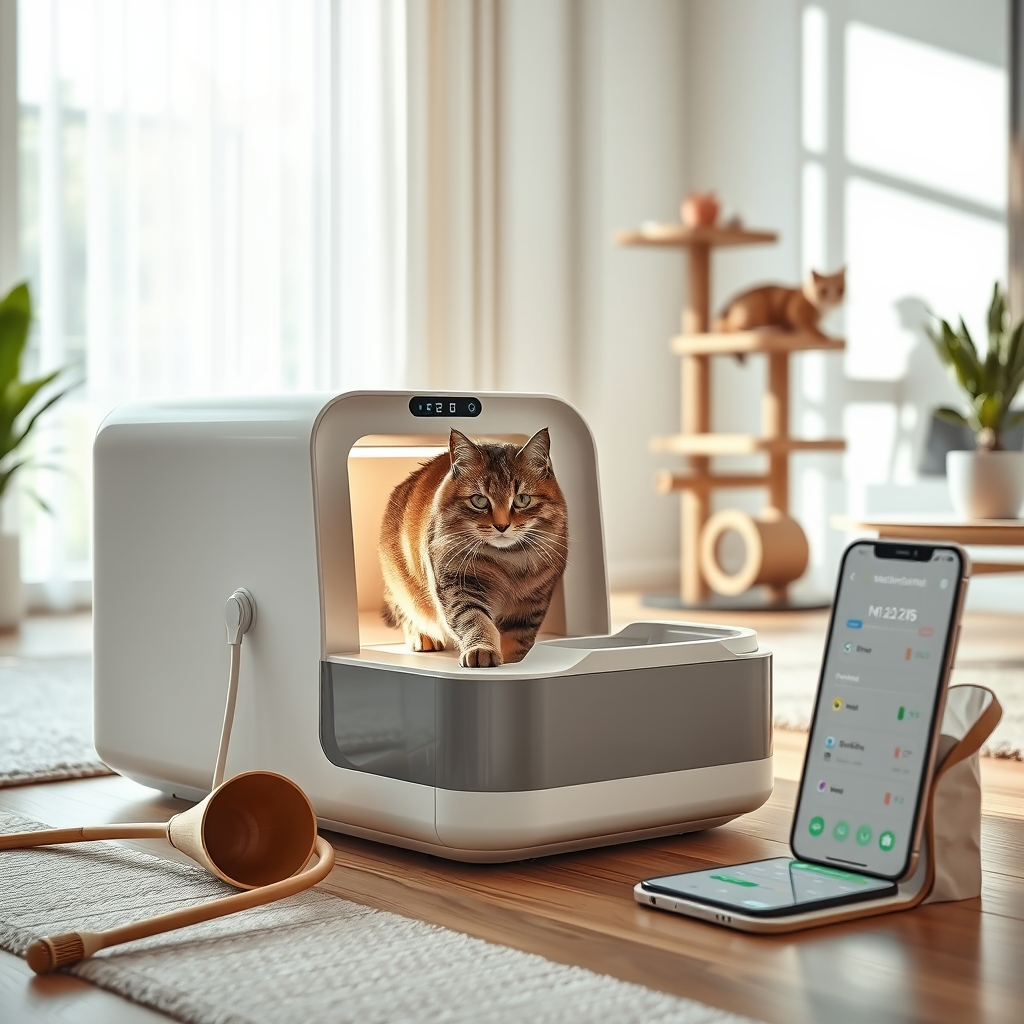
For cat owners, the litter box is one of those non-negotiable essentials—yet it’s often overlooked until odors, mess, or maintenance become a daily frustration. The good news? Advances in feline care technology and sustainable design have transformed litter solutions from a chore into a seamless, even enjoyable, part of pet ownership. Whether you’re a first-time cat parent or a seasoned enthusiast, upgrading your approach to litter can improve your cat’s health, your home’s cleanliness, and your peace of mind.
The Rise of Smart Litter Boxes: Technology Meets Feline Hygiene
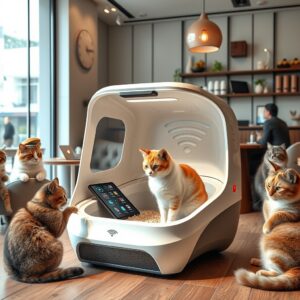
Gone are the days when a simple plastic tray and clumping litter were the only options. Smart litter boxes have entered the market, offering features like self-cleaning mechanisms, odor detection, and even app connectivity. These high-tech solutions use sensors to monitor your cat’s usage, automatically scooping waste into a sealed compartment after each visit. Some models, like the Litter-Robot or PetSafe ScoopFree, go a step further by tracking your cat’s litter box habits, sending alerts to your phone if irregularities are detected—such as sudden changes in frequency, which could signal a health issue.
The benefits extend beyond convenience. Smart litter boxes reduce the risk of bacterial buildup, minimize odors, and create a more hygienic environment for both cats and humans. For multi-cat households, these systems are a game-changer, ensuring each feline has a clean space without the constant need for manual scooping. While the upfront cost may be higher than traditional options, the long-term savings in time, litter, and vet bills (thanks to early health monitoring) make them a worthwhile investment.
Eco-Friendly Litter: Sustainable Choices for a Greener Home
As environmental awareness grows, so does the demand for sustainable cat litter. Traditional clay-based litters, while effective, are often strip-mined and non-biodegradable, contributing to landfill waste. Fortunately, eco-conscious alternatives have emerged, offering performance without the environmental toll. Materials like recycled paper, pine, wheat, corn, and even coconut husks are now used to create litters that are biodegradable, compostable (in some cases), and free from harmful chemicals.
Paper-based litters, for example, are highly absorbent, low-tracking, and gentle on sensitive paws—making them ideal for kittens or cats recovering from surgery. Pine litters offer natural odor control through their aromatic properties, while wheat and corn litters clump effectively and can be flushed (where permitted) or composted. For cat owners looking to reduce their carbon pawprint, these options provide a guilt-free way to maintain a clean litter box while supporting sustainable practices.
Choosing the Right Eco-Friendly Litter for Your Cat
Not all eco-friendly litters are created equal, and what works for one cat may not suit another. Some cats are picky about texture, while others may have allergies to certain plant-based materials. When transitioning to a new litter, it’s best to do so gradually, mixing the new product with the old over a week or two to avoid stressing your feline. Additionally, consider your cat’s specific needs: long-haired breeds may benefit from low-dust options to prevent respiratory irritation, while senior cats might prefer softer, finer granules for comfort.
Reducing Stress: Litter Box Designs That Cater to Feline Behavior
A cat’s litter box preferences are deeply tied to their instincts. In the wild, cats seek out quiet, private spaces to do their business, and domestic felines retain these instincts. Unfortunately, many traditional litter boxes fail to accommodate these needs, leading to stress, avoidance, or even behavioral issues like inappropriate elimination. Modern designs, however, are addressing these concerns with thoughtful features.
Top-entry litter boxes, for instance, reduce litter tracking and provide a sense of security by shielding the cat from view while they use it. Enclosed or hooded boxes offer privacy, while open, spacious designs cater to larger cats or those who dislike confined spaces. Some innovative models even incorporate ramps or steps to make entry easier for kittens, elderly cats, or those with mobility issues. The key is to observe your cat’s behavior and choose a design that aligns with their natural preferences—because a comfortable cat is a happy cat.
Location, Location, Location: The Often-Overlooked Factor
Even the best litter box won’t be effective if it’s placed in the wrong spot. Cats prefer quiet, low-traffic areas where they won’t be startled or disturbed. Avoid placing the litter box near loud appliances, in busy hallways, or next to their food and water bowls (cats, like humans, prefer to keep their dining and bathroom areas separate). For multi-level homes, it’s a good idea to have at least one litter box per floor to ensure accessibility, especially for older cats or those with joint issues.
Odor Control: Keeping Your Home Fresh Without Harsh Chemicals
One of the biggest challenges of litter box maintenance is managing odors. While regular scooping is the most effective way to keep smells at bay, not all cat owners have the time to do it multiple times a day. This is where odor-control technologies come into play. Some smart litter boxes use carbon filters or UV light to neutralize odors, while others rely on tightly sealed waste compartments to contain smells. For traditional litter boxes, natural odor absorbers like baking soda, activated charcoal, or plant-based additives can be mixed into the litter to keep your home smelling fresh.
It’s important to avoid heavily scented litters or air fresheners, as cats have sensitive respiratory systems and may be deterred by strong fragrances. Instead, opt for unscented, high-quality litters with natural odor-neutralizing properties. Regular cleaning—including washing the litter box with mild soap and warm water—will also go a long way in preventing lingering smells.
The right litter solution can make a world of difference in your cat’s quality of life and your own. Whether you opt for a high-tech smart box, an eco-friendly litter, or a thoughtfully designed traditional setup, the goal is the same: a clean, stress-free environment that keeps your feline friend happy and healthy. As cat care continues to evolve, so do the tools at our disposal—making it easier than ever to provide the best for our beloved pets while simplifying the daily routines that come with pet ownership. With a little research and attention to your cat’s unique needs, you can transform the litter box from a source of frustration into a seamless, even rewarding, part of your shared life.