
Whisker Wisdom: Navigating Feline Separation Anxiety with Compassion and Care
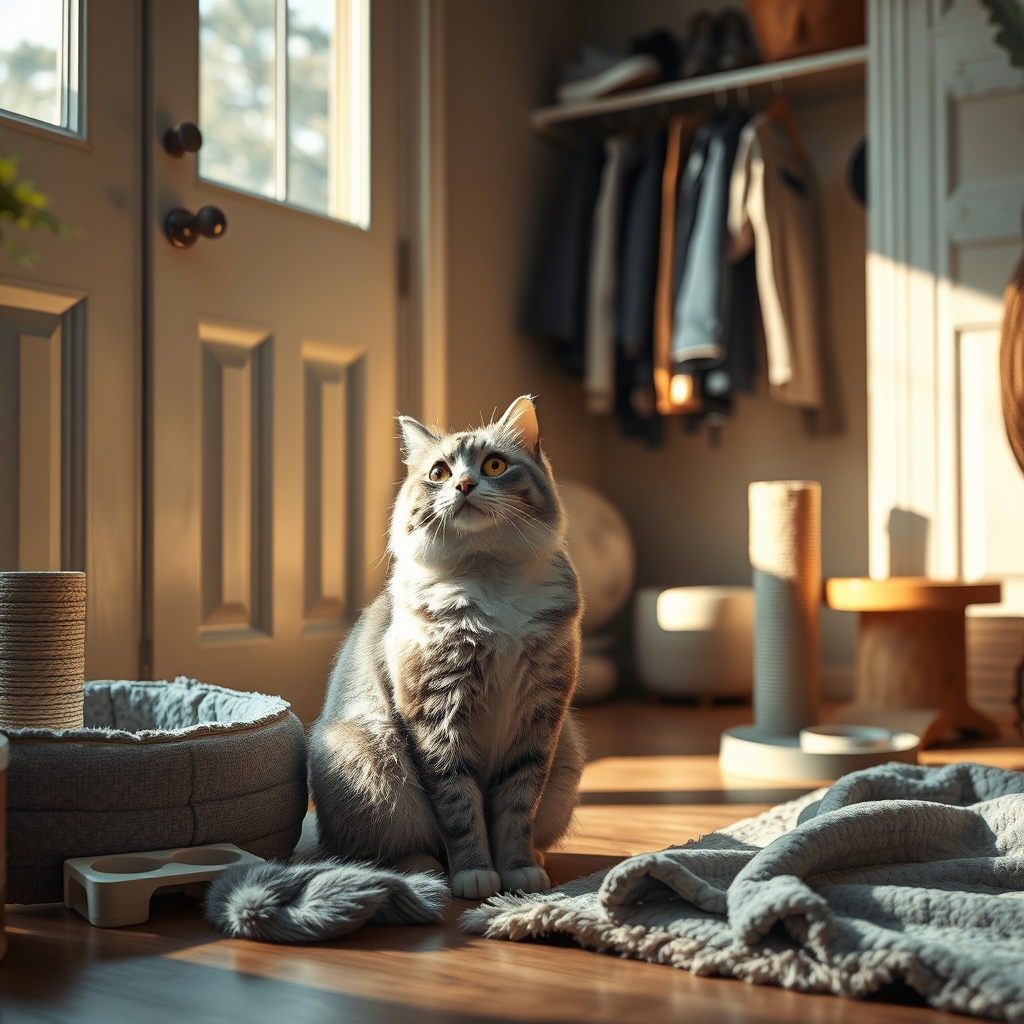
The soft purring of a content cat curled up in your lap is one of life’s simple pleasures, but for many felines, the moment their human steps out the door, that tranquility can shatter into distress. Feline separation anxiety is a very real and often misunderstood condition that affects countless cats, leaving them—and their owners—struggling with stress, guilt, and frustration. Unlike dogs, who may bark or destroy furniture when left alone, cats often express their anxiety in quieter, subtler ways, making it easy to overlook until the behavior becomes a persistent problem. Understanding the signs, causes, and solutions for separation anxiety is the first step toward restoring harmony in your home and ensuring your feline friend feels safe, secure, and loved—even when you’re not there.
The Silent Struggle: Recognizing the Signs of Feline Separation Anxiety
Cats are masters of disguise, especially when it comes to hiding their emotions. While some may vocalize their distress with loud meowing or yowling, others retreat into silence, making their anxiety harder to detect. Common signs of separation anxiety in cats include excessive grooming, which can lead to bald patches or irritated skin, as well as destructive scratching—particularly around doors or windows where they last saw their owner. Some cats may refuse to eat or drink while their human is away, while others might urinate or defecate outside the litter box as a way to cope with their stress. In severe cases, a cat may even attempt to escape the house in a desperate bid to reunite with their owner, putting themselves at risk of injury or getting lost. These behaviors aren’t acts of defiance or spite; they’re cries for help from a pet who feels abandoned and overwhelmed.
The Root of the Problem: Why Do Cats Develop Separation Anxiety?
Feline separation anxiety often stems from a deep bond between a cat and their owner, but it can also be triggered by changes in routine, environment, or even past trauma. Cats are creatures of habit, and any disruption to their daily schedule—such as a sudden shift in work hours, a move to a new home, or the addition of a new family member—can leave them feeling unsettled. Kittens who were weaned too early or separated from their littermates prematurely may also be more prone to anxiety, as they never learned to self-soothe. Similarly, cats who have experienced neglect, abandonment, or frequent rehoming may develop a heightened fear of being left alone, as their past experiences have taught them that separation often leads to uncertainty or distress. Even something as simple as an owner’s prolonged absence, like a vacation or business trip, can trigger anxiety in a cat who has grown accustomed to constant companionship.
Creating a Safe Haven: Practical Strategies to Ease Your Cat’s Anxiety
Helping a cat overcome separation anxiety requires patience, consistency, and a willingness to experiment with different strategies to find what works best for your feline friend. One of the most effective approaches is to create a safe, stimulating environment that keeps your cat occupied and distracted while you’re away. Interactive cat toys, such as puzzle feeders or automated laser pointers, can provide mental stimulation and redirect their focus away from your absence. Leaving a piece of clothing with your scent on it near their favorite resting spot can also offer comfort, as your smell serves as a reassuring reminder that you’ll return. For cats who struggle with loneliness, adopting a second pet may provide companionship, though this should be done carefully to ensure the cats are compatible and the new addition doesn’t add to the stress.
The Power of Routine and Positive Reinforcement
Cats thrive on predictability, so establishing a consistent routine can go a long way in reducing their anxiety. Try to feed, play with, and interact with your cat at the same times each day, and avoid making a big fuss when leaving or returning home. Over-the-top goodbyes or enthusiastic greetings can inadvertently reinforce your cat’s anxiety by making your departures and arrivals feel like major events. Instead, keep your comings and goings low-key to help your cat understand that these moments are a normal part of the day. Positive reinforcement can also be a powerful tool—rewarding your cat with premium cat treats or gentle praise when they exhibit calm behavior can help them associate your absence with positive experiences rather than fear.
When to Seek Professional Help: Exploring Additional Support Options
While many cats respond well to environmental and behavioral modifications, some may require additional support to manage their anxiety. Calming treats for cats, which often contain natural ingredients like chamomile, L-theanine, or melatonin, can help take the edge off their stress, though they should be used as part of a broader strategy rather than a standalone solution. In more severe cases, your veterinarian may recommend anti-anxiety medications or pheromone diffusers, which mimic the calming scents cats produce naturally. It’s also worth considering a consultation with a feline behaviorist, who can provide personalized advice and techniques tailored to your cat’s specific needs. Remember, there’s no one-size-fits-all solution, and what works for one cat may not work for another—so don’t be discouraged if it takes time to find the right approach.
Building a Stronger Bond Through Trust and Understanding
At its core, feline separation anxiety is a sign of a deep, loving bond between a cat and their owner. While it can be challenging to manage, it’s also an opportunity to strengthen that connection by showing your cat that they can trust you to always return. By creating a nurturing environment, maintaining a consistent routine, and exploring the right combination of tools and techniques, you can help your feline friend feel more secure and confident—even when you’re not by their side. The journey may require time and effort, but the reward—a happier, healthier, and more relaxed cat—is well worth it. After all, the goal isn’t just to ease their anxiety, but to ensure they know, without a doubt, that they are cherished, safe, and never truly alone.