The Organic Shift: Why Natural Cat Food is the Future of Feline Nutrition
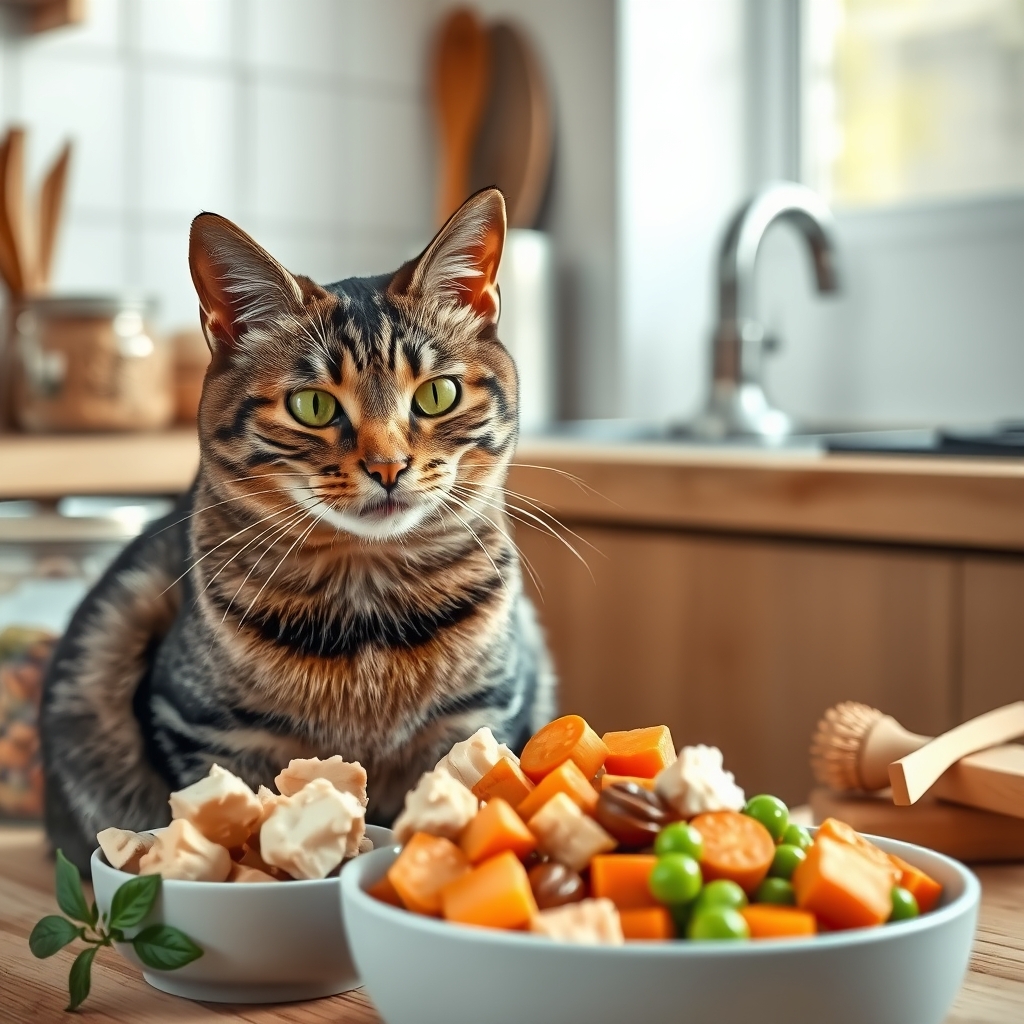
As pet owners become increasingly conscious of what goes into their own meals, it’s only natural that this mindfulness extends to their feline companions. The rise of organic cat food reflects a growing awareness of the benefits of natural, high-quality ingredients for cats. Unlike conventional options, organic cat food prioritizes whole, minimally processed ingredients free from artificial additives, pesticides, and synthetic hormones. But what exactly makes it a superior choice, and how can you transition your cat to an organic diet seamlessly?
The Science Behind Organic Cat Food
Cats are obligate carnivores, meaning their bodies thrive on animal-based proteins. Organic cat food is formulated to meet this biological need by using ethically sourced meats, poultry, and fish. These ingredients are richer in essential nutrients like taurine, an amino acid critical for heart and eye health, which is often depleted in heavily processed foods. Additionally, organic farming practices avoid genetically modified organisms (GMOs) and synthetic fertilizers, reducing the risk of allergens and toxins that can accumulate in a cat’s system over time.
Studies have shown that cats fed organic diets exhibit improved digestion, shinier coats, and higher energy levels. The absence of fillers like corn, wheat, and soy—common in conventional cat food—also reduces the likelihood of food sensitivities and obesity. For kittens and senior cats, whose nutritional needs are more delicate, organic options provide a gentler, more supportive foundation for growth and aging.
Decoding the Labels: What to Look for in Organic Cat Food
Navigating the world of organic cat food can be overwhelming, especially with terms like “natural,” “holistic,” and “human-grade” thrown around. To ensure you’re making the best choice, look for certifications from reputable organizations such as the USDA Organic seal or the Non-GMO Project. These labels guarantee that at least 95% of the ingredients are organic and free from prohibited substances.
When selecting a product, prioritize those with named animal proteins (e.g., “organic chicken” or “wild-caught salmon”) as the first ingredient. Avoid vague terms like “meat meal” or “animal by-products,” which can hide low-quality sources. For cats with specific health concerns, such as kidney disease or diabetes, consult your veterinarian to find an organic formula tailored to their needs. Wet food options are particularly beneficial for hydration, while high-protein dry kibbles can support dental health when combined with regular brushing.
Transitioning Your Cat to an Organic Diet
Switching your cat’s diet abruptly can lead to digestive upset, so a gradual transition is key. Start by mixing a small amount of organic food with their current diet, slowly increasing the proportion over 7–10 days. Monitor your cat’s reaction—some may experience mild detox symptoms like temporary loose stools as their body adjusts to the cleaner ingredients. If your cat is particularly picky, try warming the food slightly or adding a spoonful of organic bone broth to enhance its aroma.
For multi-cat households, ensure each cat has access to their own bowl to prevent competition, especially if one is on a special diet. Kittens can transition to organic food as early as four weeks, while senior cats may require softer textures or supplements like omega-3 fatty acids to support joint health. Always introduce new foods in small quantities to avoid overwhelming their system.
Beyond the Bowl: Supporting Your Cat’s Health Holistically
While organic cat food forms the cornerstone of a healthy diet, it’s just one piece of the puzzle. Pairing it with other natural products can amplify its benefits. For instance, organic cat treats made from single-ingredient proteins like freeze-dried liver can reinforce positive behavior without compromising nutrition. Natural flea treatments, such as essential oil blends (used safely and under veterinary guidance), can complement organic food’s toxin-free approach to pest control.
Hydration is another critical factor, particularly for cats prone to urinary issues. Consider investing in a cat water fountain to encourage drinking, or incorporate wet organic food into their diet. For cats with hairballs, a teaspoon of organic pumpkin puree or a specialized hairball remedy can aid digestion. Regular grooming with a high-quality brush, such as one from a premium cat grooming kit, will also reduce shedding and minimize hairball formation.
The Long-Term Benefits of Going Organic
Investing in organic cat food may come with a higher upfront cost, but the long-term savings are undeniable. Fewer vet visits for allergies, digestive issues, and chronic diseases translate to lower medical bills over time. Moreover, cats on organic diets often live longer, healthier lives, with reduced risks of obesity, diabetes, and kidney disease. The peace of mind that comes from knowing you’re feeding your cat the purest ingredients is invaluable.
As the demand for transparency in pet food grows, so does the availability of organic options. From subscription services delivering fresh, organic meals to local pet stores stocking premium brands, accessing high-quality nutrition has never been easier. By making the switch, you’re not just feeding your cat—you’re nurturing their well-being from the inside out, one wholesome bite at a time. The journey to optimal feline health begins with a single, mindful choice, and every meal is an opportunity to honor the bond you share with your cat.