
When Every Second Counts: Navigating Emergency Cat Vet Care and Finding the Right Specialist for Your Feline Friend
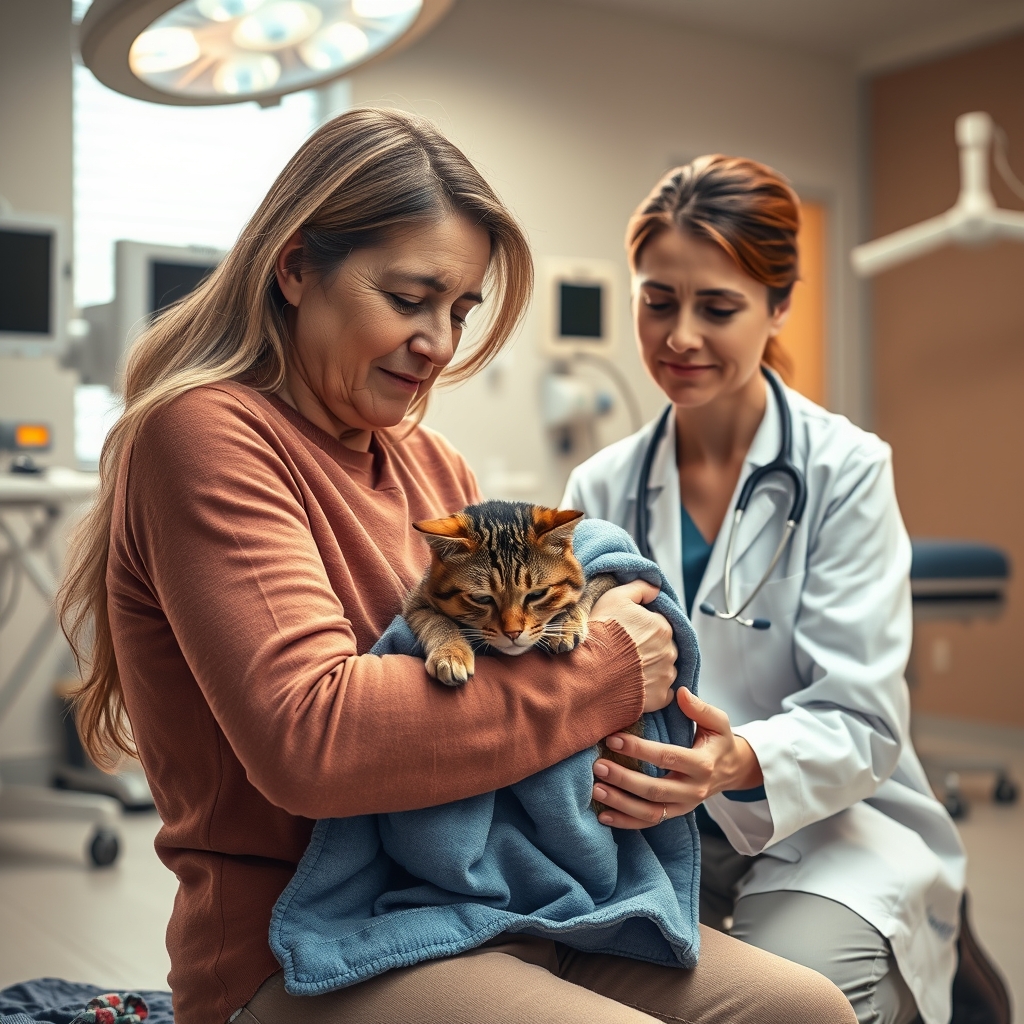
When your cat suddenly falls ill or gets injured, the urgency of the situation can feel overwhelming. Unlike humans, cats are masters at hiding pain, which means by the time symptoms become obvious, the condition may already be critical. Knowing where to turn in these moments—whether it’s a 24-hour cat hospital, an emergency cat vet clinic, or a mobile cat doctor—can make all the difference in your pet’s recovery. But how do you prepare for the unexpected, and what should you look for in a specialist when time is of the essence?
The Silent Signals: Recognizing When Your Cat Needs Urgent Care
Cats are notorious for masking discomfort, a trait inherited from their wild ancestors. However, certain behaviors and symptoms should never be ignored. Lethargy, labored breathing, sudden loss of appetite, vomiting, diarrhea, or inability to urinate are red flags that warrant immediate attention. Other signs, such as seizures, severe injuries, or ingestion of toxic substances, demand an instant trip to an urgent care cat doctor. Delaying care in these situations can lead to irreversible damage or even fatal outcomes.
It’s also important to trust your instincts. If something feels “off” about your cat’s behavior, even if you can’t pinpoint the issue, it’s better to err on the side of caution. Many emergency cat vet clinics offer phone consultations to help you assess whether your cat’s condition requires immediate intervention. This can be a lifesaver, especially during late-night or weekend emergencies when your regular vet may not be available.
Beyond Emergencies: The Role of a Feline Veterinarian Specialist
While emergencies are the most stressful scenarios, proactive care from a feline veterinarian specialist can prevent many crises before they arise. Unlike general veterinarians, these specialists have undergone additional training and certification in feline medicine, making them uniquely qualified to address the complex health needs of cats. Whether it’s managing chronic conditions like diabetes or kidney disease, or providing specialized care for senior cats, a certified feline practitioner can offer insights and treatments tailored specifically to your cat’s needs.
For example, a senior cat health specialist can help navigate the challenges of aging, such as arthritis, dental disease, or cognitive decline. Similarly, a cat dermatology vet specialist can diagnose and treat skin conditions that may not be immediately life-threatening but can severely impact your cat’s quality of life. By establishing a relationship with a feline specialist, you’re not just preparing for emergencies—you’re investing in your cat’s long-term health and well-being.
Mobile and Virtual Care: Convenience Without Compromise
For many cat owners, accessing veterinary care can be a logistical challenge. Cats are notoriously stressed by travel, and some may become so anxious during car rides that it exacerbates their health issues. This is where mobile cat doctors and virtual cat vet consultations come into play. A mobile vet brings the clinic to your doorstep, providing everything from routine check-ups to emergency care in the comfort of your home. This can be particularly beneficial for cats with mobility issues, chronic illnesses, or severe anxiety.
Virtual consultations, on the other hand, offer a convenient way to seek advice for non-emergency concerns. Whether it’s a sudden change in behavior, a minor skin irritation, or questions about diet, a virtual cat vet consultation allows you to connect with a professional without leaving your home. While virtual care isn’t a substitute for in-person exams, it can be a valuable tool for follow-ups, second opinions, or initial assessments. However, it’s crucial to have a trusted local cat hospital or emergency cat vet clinic lined up for situations that require hands-on treatment.
Preventive Care: The Foundation of Feline Health
Emergency care and specialized treatments are vital, but preventive care remains the cornerstone of keeping your cat healthy. Regular visits to a cat wellness exam doctor can catch potential issues early, from dental disease to heart conditions. Vaccinations, parasite prevention, and routine bloodwork are all part of a comprehensive preventive care plan. A cat vaccination clinic can ensure your cat is protected against common and potentially deadly diseases like feline leukemia, rabies, and distemper.
Dental health is another critical aspect of preventive care that is often overlooked. A cat dental veterinarian can address issues like periodontal disease, which affects a staggering 70% of cats by the age of three. Left untreated, dental disease can lead to pain, tooth loss, and even systemic infections that affect the heart, liver, and kidneys. Regular dental check-ups and cleanings can prevent these complications and keep your cat’s mouth healthy.
Choosing the Right Care for Your Cat’s Unique Needs
With so many options available—from holistic cat care doctors to feline behavioral vet doctors—how do you determine what’s best for your cat? The answer lies in understanding your cat’s individual needs and finding a provider who aligns with them. For instance, if your cat suffers from anxiety or stress-related behaviors, a feline behavioral vet doctor can offer strategies to improve their mental well-being. On the other hand, if you prefer a more natural approach to healthcare, a holistic cat care doctor may be the right fit, offering treatments like acupuncture, herbal remedies, or dietary adjustments.
Affordability is another key consideration. Veterinary care can be expensive, especially in emergencies or for chronic conditions. Many affordable cat vet care providers offer payment plans, sliding-scale fees, or partnerships with organizations that assist pet owners in need. It’s worth researching these options in advance so you’re not caught off guard by unexpected costs. Additionally, pet insurance can provide financial peace of mind, covering a portion of emergency and specialized care expenses.
Building a Support Network for Your Cat’s Health
No single veterinarian can address every aspect of your cat’s health, which is why building a network of trusted professionals is so important. Start with a primary feline veterinarian specialist who can coordinate your cat’s overall care and refer you to other experts as needed. For example, if your cat develops a skin condition, your primary vet might refer you to a cat dermatology vet specialist. If your cat is a kitten, a kitten doctor specialist can provide age-appropriate care, including vaccinations, spaying or neutering, and behavioral guidance.
Don’t forget to include emergency care in your network. Research 24-hour cat hospitals and emergency cat vet clinics in your area, and save their contact information in your phone. Knowing where to go in an emergency can save precious time and reduce stress when every second counts. It’s also helpful to keep a record of your cat’s medical history, including vaccinations, medications, and any previous health issues, so you can provide this information quickly in an emergency.
Ultimately, the goal is to create a healthcare plan that is as unique as your cat. Whether it’s through regular check-ups with a certified feline practitioner, emergency care at a 24-hour cat hospital, or the convenience of a mobile cat doctor, the right care can ensure your feline friend lives a long, healthy, and happy life. The peace of mind that comes from knowing you’re prepared for any situation is invaluable, and it’s one of the greatest gifts you can give to your beloved pet.