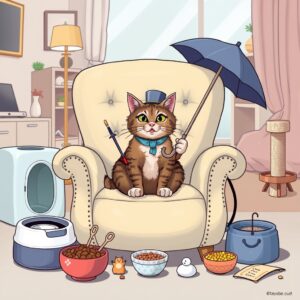
The Whiskered Wellness Blueprint: Crafting a Thriving Feline Life with Smart Grooming, Nutrition, and Play

In the realm of feline care, the pursuit of a thriving, happy cat is a journey filled with learning, adaptation, and a deep understanding of our feline companions’ unique needs. This guide aims to be your compass, navigating the vast landscape of cat care to help you create a life that is as enriching and fulfilling for your cat as it is for you.
Understanding Your Cat’s Unique Needs
Every cat is an individual with its own set of preferences, quirks, and requirements. Understanding these unique needs is the first step in providing a life that is both comfortable and stimulating for your feline friend. This involves paying attention to their behavior, body language, and any signs of discomfort or stress.
Behavioral Observations
Cats are creatures of habit, and any changes in their behavior can be a sign of underlying issues. Pay attention to their play patterns, eating habits, and litter box usage. Any significant changes in these areas could indicate a need for adjustment in their environment or diet.
Body Language
Cats communicate through a variety of body language cues. Ear position, tail movements, and the way they hold their body can all provide insights into their emotional state. For instance, a cat that is relaxed and content will often have ears forward, a slightly puffed tail, and a relaxed posture. On the other hand, a stressed or anxious cat may have flattened ears, a tucked tail, and a tense posture.
Smart Grooming: More Than Just Aesthetics
Grooming is not just about keeping your cat looking good; it’s a crucial aspect of their overall health and well-being. Regular grooming helps to prevent matting, reduces stress, and strengthens the bond between you and your cat.
Choosing the Right Grooming Tools
Investing in high-quality grooming tools can make a significant difference in the grooming experience. A good set of cat grooming brushes, designed specifically for your cat’s coat type, can help to reduce shedding and prevent matting. Additionally, a soft-bristled brush can be used to gently remove loose fur and keep your cat’s coat in good condition.
Establishing a Grooming Routine
Consistency is key when it comes to grooming. Establish a regular grooming routine that your cat can get used to. This could be a few times a week, depending on your cat’s coat type and individual needs. Make sure to use positive reinforcement, such as praise and treats, to create a positive association with grooming.
Nutrition: The Foundation of a Healthy Cat
What your cat eats can have a profound impact on their health, energy levels, and overall well-being. Providing a balanced diet is essential for maintaining a healthy weight, supporting their immune system, and preventing a range of health issues.
Choosing the Right Food
When selecting cat food, consider factors such as your cat’s age, health status, and any specific dietary needs. High-quality, balanced cat food that meets the nutritional levels established by the Association of American Feed Control Officials (AAFCO) is a good starting point. Additionally, you may want to consider organic cat food, which is free from artificial additives and preservatives.
Supplementing Your Cat’s Diet
In some cases, your veterinarian may recommend supplements to support your cat’s unique nutritional needs. These could include vitamins, minerals, or herbal supplements. Always consult with your vet before starting any new supplement regimen.
Play and Enrichment: Keeping Your Cat Mentally and Physically Active
Cats are naturally active and curious creatures, and providing them with opportunities for play and enrichment is crucial for their mental and physical well-being. A bored cat is a stressed cat, and stress can lead to a range of health issues.
Interactive Toys and Playtime
Interactive toys can provide hours of entertainment and mental stimulation for your cat. These toys often require your cat to use their senses and problem-solving skills to interact with them. Some popular types of interactive toys include puzzle feeders, treat-dispensing toys, and automated laser pointers.
Indoor Enrichment
Creating an enriching indoor environment can also help to keep your cat mentally stimulated and physically active. This could involve providing vertical spaces for climbing, hiding spots for relaxation, and interactive play areas. Additionally, rotating toys and play areas can help to prevent boredom and keep your cat engaged.
In conclusion, creating a thriving feline life involves a deep understanding of your cat’s unique needs, a commitment to their grooming and nutrition, and a focus on providing them with opportunities for play and enrichment. By prioritizing these aspects of cat care, you can help to ensure that your feline companion is happy, healthy, and fulfilled. Remember, every cat is an individual, and what works for one may not work for another. The key is to observe your cat’s behavior, adapt your approach as needed, and always prioritize their well-being.