
The Purr-fect Guide to Cat Breeds: Unveiling the Ideal Companion for Your Home
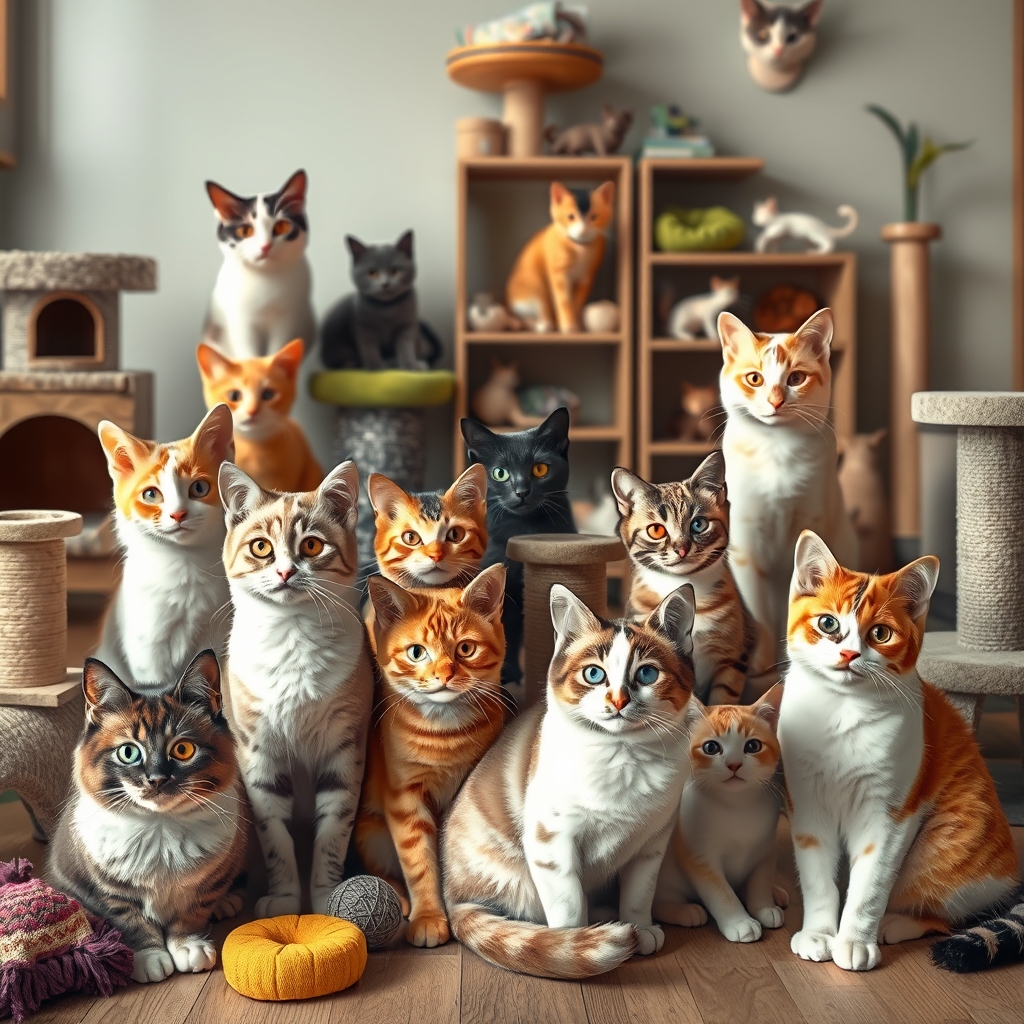
Embarking on the journey of cat ownership is an exciting adventure, but with over 70 cat breeds, choosing the perfect feline companion can feel overwhelming. Each breed brings its unique traits, temperaments, and requirements to the table, making it essential to understand their individual needs before bringing one into your home. This guide aims to simplify the process, helping you find the ideal cat breed that aligns with your lifestyle and preferences.
Understanding Cat Breeds
Cat breeds are categorized into two main groups: pedigreed and domestic shorthair. Pedigreed cats are those with a recognized ancestry, often bred for specific traits, while domestic shorthair cats are those without a specific breed history. Within these groups, you’ll find a wide range of breeds, each with its own set of characteristics.
Popular Cat Breeds
Among the most popular cat breeds are the Siamese, Persian, Maine Coon, and Bengal. The Siamese is known for its vocal nature and striking blue eyes, while the Persian is famous for its long, luxurious coat. The Maine Coon is one of the largest domestic cat breeds, known for its tufted ears and friendly personality. The Bengal, on the other hand, is a hybrid breed that combines the sleek coat of an Asian leopard cat with the docile temperament of a domestic shorthair.
Choosing the Right Breed
When selecting a cat breed, consider factors such as your lifestyle, living situation, and personal preferences. For instance, if you’re an active individual who enjoys outdoor activities, a breed like the Bengal, known for its high energy levels, might be a good fit. Conversely, if you prefer a more laid-back companion, a breed like the Persian, which is known for its calm and gentle nature, might be more suitable.
Additionally, think about the cat’s grooming needs. Some breeds, like the Persian, require regular brushing to prevent matting, while others, like the Siamese, have short coats that are low-maintenance. Understanding these needs will help you choose a breed that fits seamlessly into your daily routine.
Kitten Training Tips
Early Socialization
One of the most critical aspects of kitten training is early socialization. Kittens should be exposed to various people, animals, and environments from a young age to help them develop into well-adjusted adults. This can include visits to the vet, interactions with other pets, and exploration of different rooms in your home.
Positive Reinforcement
Positive reinforcement is key when training kittens. Reward desired behaviors with treats, praise, or playtime. This encourages the behavior and helps the kitten associate it with positive experiences. Avoid punishment, as it can lead to fear and anxiety.
Organic Cat Food
Benefits of Organic Cat Food
Organic cat food is made with ingredients that are free from synthetic pesticides, herbicides, and artificial additives. It often contains higher levels of protein and essential nutrients, contributing to a healthier coat, stronger muscles, and improved overall well-being. Additionally, organic cat food can be gentler on the digestive system, reducing the risk of food sensitivities and allergies.
Transitioning to Organic Cat Food
Transitioning your cat to organic cat food should be done gradually to avoid digestive upset. Start by mixing small amounts of organic food with their current food and gradually increase the proportion of organic food over a week or two. Always ensure your cat has access to fresh water and monitor their behavior for any signs of discomfort.
Choosing the right cat breed and providing proper care and training from the start can set the stage for a happy and healthy feline companion. By understanding the unique needs of each breed and implementing effective training techniques, you can create a loving environment that meets the needs of both you and your cat.