The Hidden Link Between Cat Nutrition and Dental Health: How Diet Shapes Your Feline’s Smile
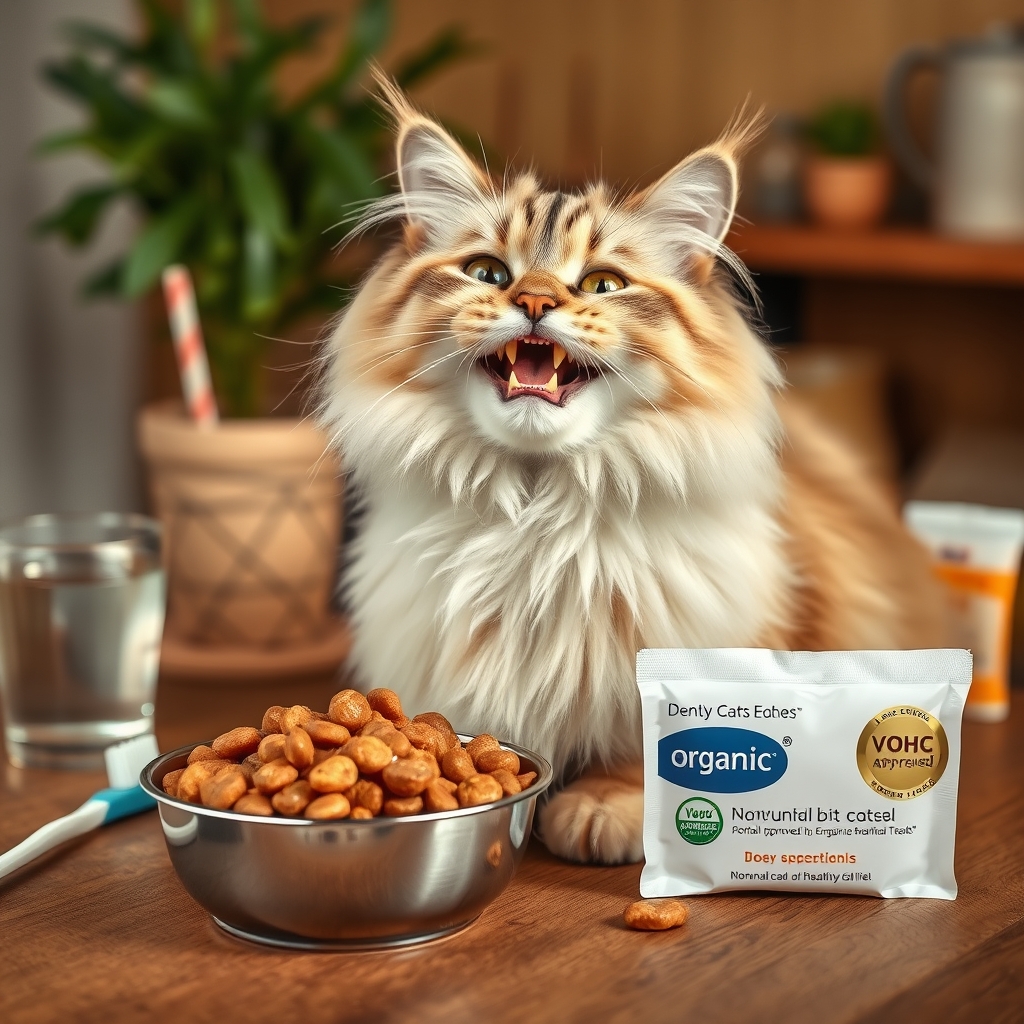
When we think about our cat’s health, dental care often takes a backseat to more visible concerns like coat condition or energy levels. Yet, feline dental health is a cornerstone of overall well-being, and what your cat eats plays a surprisingly pivotal role. The connection between nutrition and dental health is deeper than many realize, with certain foods and supplements either safeguarding your cat’s teeth or contributing to plaque buildup, gum disease, and even systemic issues like heart or kidney problems. Understanding this link can transform how you approach your cat’s diet—and their smile.
The Silent Culprit: How Poor Nutrition Affects Your Cat’s Teeth
Cats are obligate carnivores, meaning their bodies are designed to thrive on a diet rich in animal protein. However, many commercial cat foods—even some labeled as “premium”—contain fillers like carbohydrates, sugars, or low-quality meat byproducts that can wreak havoc on dental health. These ingredients don’t just lack nutritional value; they actively contribute to plaque formation. When plaque hardens into tartar, it becomes a breeding ground for bacteria, leading to gingivitis, periodontal disease, and tooth loss. Over time, these bacteria can enter the bloodstream, affecting vital organs and shortening your cat’s lifespan.
Dry kibble is often marketed as a dental-friendly option because its crunchy texture is supposed to help scrape plaque off teeth. While this may offer some benefit, it’s far from a complete solution. Kibble can still leave residue on the teeth, and its high carbohydrate content can feed the very bacteria you’re trying to combat. Wet food, on the other hand, is often criticized for being less effective at cleaning teeth, but it doesn’t necessarily contribute to dental problems—provided it’s high-quality and free from sugars or artificial additives. The key is to look beyond the marketing claims and focus on the ingredients list.
Nutrients That Protect: What to Look for in Your Cat’s Food
Not all cat foods are created equal when it comes to dental health. Some nutrients actively support strong teeth and gums, while others can undermine them. Here’s what to prioritize—and what to avoid:
Essential Nutrients for Dental Health
- High-Quality Animal Protein: Protein is the building block of healthy teeth and gums. Look for foods where meat (chicken, turkey, fish, or beef) is the first ingredient, and avoid vague terms like “meat meal” or “animal byproducts.”
- Omega-3 Fatty Acids: Found in fish oil or flaxseed, these anti-inflammatory fats help reduce gum inflammation and support overall oral health.
- Vitamin C and E: These antioxidants combat oxidative stress in the gums, which can slow the progression of periodontal disease. While cats produce some vitamin C naturally, additional supplementation (in the right form) can be beneficial.
- Calcium and Phosphorus: These minerals are critical for maintaining strong tooth enamel. A balanced ratio of calcium to phosphorus (typically 1:1 to 2:1) ensures your cat’s teeth stay resilient.
- Probiotics: A healthy gut microbiome supports immune function, which in turn helps fight oral bacteria. Probiotic-rich foods or supplements can be a valuable addition to your cat’s diet.
Ingredients to Avoid
- Sugars and Sweeteners: Even small amounts of sugar (often hidden in ingredients like corn syrup or caramel) can feed harmful bacteria in your cat’s mouth.
- Artificial Additives: Preservatives, colors, and flavors offer no nutritional benefit and can disrupt your cat’s oral microbiome.
- Excessive Carbohydrates: Cats lack the enzymes to efficiently digest carbs, and these can stick to teeth, promoting plaque formation.
- Low-Quality Fillers: Ingredients like corn, wheat, and soy provide little nutritional value and can contribute to dental issues over time.
Beyond the Bowl: Supplements and Treats for a Healthier Mouth
While a balanced diet is the foundation of dental health, supplements and treats can provide targeted support. Here’s how to incorporate them effectively:
Dental-Specific Supplements
- Enzymatic Oral Gels: These gels contain enzymes that break down plaque and tartar, making them easier to remove during brushing or chewing.
- Dental Chews: Look for chews with the Veterinary Oral Health Council (VOHC) seal of approval. These products are clinically proven to reduce plaque and tartar buildup.
- Water Additives: These liquid supplements can be added to your cat’s water bowl to help freshen breath and reduce bacteria. Opt for alcohol-free, cat-safe formulas.
Premium Treats for Dental Health
Not all cat treats are created equal. Some are designed specifically to support dental health by promoting chewing, which helps scrape plaque off teeth. When choosing treats, look for:
- Crunchy Texture: Treats with a firm, crunchy texture encourage chewing, which can help clean teeth mechanically.
- Natural Ingredients: Avoid treats with artificial flavors, colors, or preservatives. Instead, opt for those made with real meat, vegetables, or dental-specific ingredients like parsley (which freshens breath).
- Low Calorie: Dental treats should be given in moderation to avoid weight gain, which can exacerbate other health issues.
The Role of Hydration in Dental Health
Hydration is often overlooked in discussions about dental health, but it plays a critical role. Saliva helps wash away food particles and bacteria, reducing the risk of plaque buildup. Cats are notoriously poor drinkers, so encouraging hydration is essential. Here’s how:
- Wet Food: Wet food has a high moisture content, which can help keep your cat hydrated and support saliva production.
- Fresh Water: Ensure your cat always has access to clean, fresh water. Some cats prefer running water, so a cat fountain can be a worthwhile investment.
- Broths: Low-sodium, cat-safe broths can be added to your cat’s food or offered as a treat to increase fluid intake.
Putting It All Together: A Holistic Approach to Feline Dental Care
Dental health isn’t just about brushing your cat’s teeth (though that’s certainly important). It’s about taking a holistic approach that includes diet, supplements, hydration, and regular veterinary checkups. Start by evaluating your cat’s current food: Does it contain high-quality protein, or is it filled with fillers and artificial additives? Are there opportunities to incorporate dental-specific treats or supplements? Small changes can make a big difference over time.
Regular dental checkups are also crucial. Your veterinarian can identify early signs of dental disease and recommend professional cleanings if necessary. Between visits, keep an eye out for red flags like bad breath, drooling, or reluctance to eat, as these can indicate underlying dental issues. By combining a nutrient-rich diet with proactive dental care, you’re not just protecting your cat’s teeth—you’re investing in their long-term health and happiness.
Your cat’s smile is more than just a sign of contentment; it’s a window into their overall well-being. When you prioritize dental health through nutrition, you’re giving them the gift of a longer, healthier life—one where they can continue to purr, play, and bring joy to your home without the silent discomfort of dental disease. The choices you make today, from the food in their bowl to the treats in their paw, ripple through every aspect of their health, shaping a future where their smile remains as bright as their spirit.