Senior Cat Wellness: A Holistic Approach to Nurturing Your Aging Feline Companion
As our feline friends grow older, their needs evolve in ways that require thoughtful attention and care. Senior cats, typically those aged seven and above, begin to experience changes in their physical health, behavior, and emotional well-being. Understanding these shifts and adapting their care routine can make a significant difference in their quality of life. A holistic approach to senior cat wellness encompasses nutrition, mobility, mental stimulation, and preventive healthcare, ensuring that your aging companion remains comfortable, happy, and thriving.
The Foundation: Nutrition Tailored for Senior Cats
One of the most critical aspects of senior cat care is nutrition. As cats age, their metabolism slows, and their dietary requirements shift. Older cats may become less active, which can lead to weight gain, while others might struggle with weight loss due to underlying health issues. High-quality, age-appropriate cat food is essential, with a focus on easily digestible proteins, healthy fats, and reduced calorie content to maintain a healthy weight. Organic cat food options, free from artificial additives and fillers, can be particularly beneficial for senior cats with sensitive digestive systems.
In addition to a balanced diet, cat nutrition supplements can play a vital role in supporting joint health, cognitive function, and overall vitality. Omega-3 fatty acids, glucosamine, and chondroitin are commonly recommended to alleviate joint stiffness and promote mobility. Antioxidants, such as vitamin E and beta-carotene, help combat oxidative stress and support immune function. Consulting with a veterinarian to tailor supplements to your cat’s specific needs ensures they receive the targeted support they require.
Mobility and Comfort: Adapting Your Home for an Aging Cat
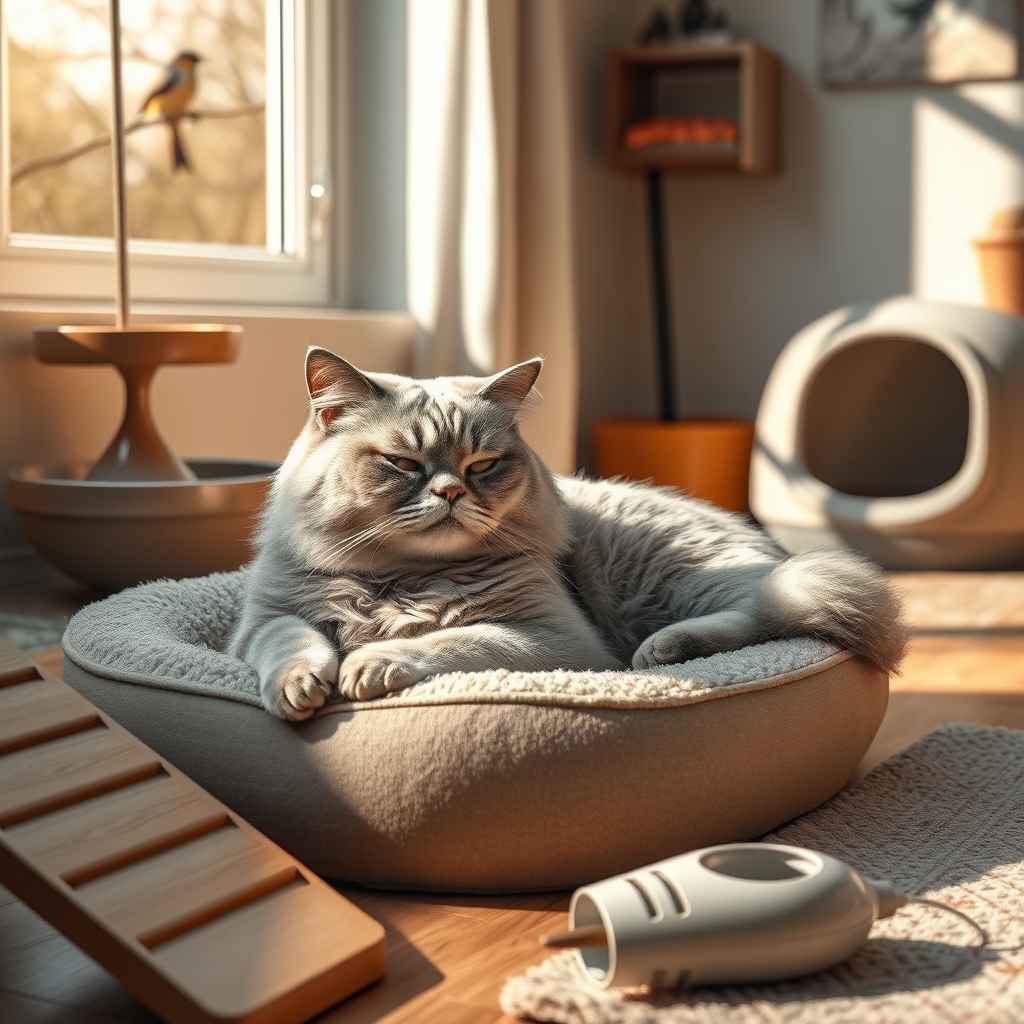
Arthritis and joint pain are common in senior cats, often leading to reduced mobility and reluctance to engage in physical activity. Creating an environment that minimizes strain on their joints can greatly enhance their comfort. Cat furniture designed with senior cats in mind, such as low-entry litter boxes, ramps or steps to favorite perches, and orthopedic beds, can make a world of difference. Placing food, water, and litter boxes in easily accessible locations reduces the need for jumping or climbing, which can be painful for aging joints.
Interactive cat toys that encourage gentle movement, such as puzzle feeders or slow-moving wand toys, can help maintain muscle tone and flexibility without overexertion. Regular, low-impact play sessions also provide mental stimulation, which is crucial for preventing cognitive decline. Observing your cat’s behavior and adjusting their environment as needed ensures they remain active and engaged in their golden years.
Preventive Healthcare: The Key to Longevity
Senior cats are more susceptible to a range of health issues, including kidney disease, diabetes, hyperthyroidism, and dental problems. Regular veterinary check-ups, ideally every six months, are essential for early detection and management of these conditions. Bloodwork, urinalysis, and dental exams can uncover hidden health concerns before they become serious, allowing for timely intervention.
Feline dental care is often overlooked but is a cornerstone of senior cat wellness. Dental disease can lead to pain, infection, and even systemic health issues if left untreated. Incorporating dental treats, water additives, or regular teeth brushing into your cat’s routine can help maintain oral health. Additionally, premium cat treats designed to support dental hygiene can be a tasty and effective way to keep their teeth and gums in good condition.
Emotional Well-Being: Addressing Feline Separation Anxiety and Stress
Senior cats may experience increased anxiety or stress, particularly if their routine changes or if they develop cognitive dysfunction syndrome (CDS), a condition similar to dementia in humans. Signs of anxiety in older cats can include excessive vocalization, clinginess, or changes in sleep patterns. Creating a calm and predictable environment, enriched with familiar scents and comforting routines, can help alleviate stress.
Calming treats for cats, infused with natural ingredients like chamomile, L-theanine, or melatonin, can provide additional support for anxious felines. These treats are designed to promote relaxation without sedating your cat, making them ideal for managing situational stress, such as during travel or vet visits. Pairing these with indoor cat enrichment activities, such as window perches for bird-watching or soft music to soothe their nerves, can further enhance their emotional well-being.
The Role of Grooming in Senior Cat Care
As cats age, they may struggle with grooming due to reduced flexibility, arthritis, or obesity. This can lead to matted fur, skin irritation, and discomfort. Regular grooming sessions with a high-quality cat grooming brush not only keep their coat in good condition but also provide an opportunity to check for lumps, bumps, or skin issues. Gentle brushing stimulates blood circulation and distributes natural oils, keeping their skin and coat healthy.
For cats with long fur, a slicker brush or de-shedding tool can help prevent tangles and reduce shedding. Short-haired cats benefit from a soft-bristle brush or grooming glove to remove loose hair and debris. Making grooming a positive experience with treats and praise ensures your cat associates it with comfort and affection.
Caring for a senior cat is a deeply rewarding experience that allows you to give back the love and companionship they’ve provided over the years. By focusing on their unique needs—whether through tailored nutrition, a comfortable living environment, preventive healthcare, or emotional support—you can help your aging feline enjoy their golden years with dignity and joy. Every small adjustment, from a cozy bed to a gentle play session, contributes to a life well-lived, filled with warmth, security, and the simple pleasures that make their days brighter.