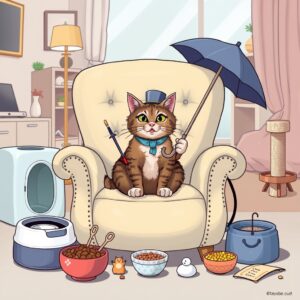
The Feline Fitness Guide: A Comprehensive Approach to Cat Health and Wellness

Cats are known for their independent nature and self-sufficient lifestyle, but this doesn’t mean they don’t require regular care and attention. Just like humans, cats need a balanced diet, regular exercise, and routine check-ups to maintain their health and well-being. In this article, we’ll delve into the world of feline fitness, exploring various aspects of cat health and wellness.
Nutrition: The Foundation of Feline Health
Cat Diet Plan
A well-balanced diet is crucial for cats at every life stage. Kittens require more protein and fat to support their growth, while senior cats need a diet that’s easier to digest. Here’s a general guideline for a cat diet plan:
- Kittens (0-1 year): High-protein, high-fat diet with a good balance of carbohydrates.
- Adult Cats (1-7 years): Moderate protein, moderate fat, and moderate carbohydrates.
- Senior Cats (7+ years): Lower protein, lower fat, and higher carbohydrates to support joint health.
It’s also important to consider your cat’s dietary restrictions and preferences. Some cats are lactose intolerant, while others may have food allergies. In such cases, it’s best to consult with a veterinarian to create a personalized diet plan.
Organic Cat Food
Organic cat food is gaining popularity due to its potential health benefits. Organic food is free from artificial additives, preservatives, and synthetic ingredients. It’s also more likely to be free from harmful pesticides and antibiotics. However, it’s important to note that organic food is not necessarily healthier than non-organic food. The quality of the ingredients and the manufacturing process are more important factors to consider.
Cat Supplements
Cat supplements can be a great way to ensure your feline friend gets all the necessary nutrients. However, it’s important to choose high-quality supplements and consult with a veterinarian before starting any new supplement regimen. Some common cat supplements include:
- Joint Supplements: For senior cats or cats with joint issues.
- Dental Supplements: To promote dental health and prevent dental disease.
- Immune Supplements: To boost the immune system and prevent illnesses.
- Hairball Remedies: To help manage hairballs and prevent blockages.
Exercise and Enrichment
Indoor Cat Enrichment
Cats need mental stimulation as much as physical exercise. Indoor cat enrichment activities can help keep your cat happy and healthy. Some ideas include:
- Interactive Toys: Puzzle toys, wand toys, and laser pointers can provide hours of entertainment.
- Catnip and Silver Vine: These plants can stimulate your cat’s senses and provide a fun activity.
- Scratching Posts: Providing a scratching post can help prevent your cat from scratching your furniture.
- Window Perches: A window perch can provide a view of the outside world and encourage your cat to climb and explore.
Health Care
Veterinary Checkup Guide
Regular veterinary check-ups are essential for maintaining your cat’s health. Here’s a general guideline for a veterinary checkup schedule:
- Kittens: Every 3-4 weeks until 16 weeks, then every 3-4 months until 1 year, and then annually.
- Adult Cats: Annually.
- Senior Cats: Annually, with more frequent check-ups if there are any health issues.
During a veterinary check-up, your vet will perform a physical examination, check your cat’s weight, and discuss any changes in your cat’s behavior or health. They may also recommend vaccinations, flea treatments, or other preventive care measures.
Feline Vaccination Schedule
Vaccinations are a crucial part of preventive care for cats. Here’s a general guideline for a feline vaccination schedule:
- Kittens: Initial series of vaccinations at 2, 3, 4, 5, 6 weeks, and then a booster at 12-16 weeks. Then annual boosters.
- Adult Cats: Annual boosters.
- Senior Cats: Annual boosters, with more frequent boosters if there are any health issues.
Cat Flea Treatment
Fleas can be a major nuisance for both cats and their owners. Here are some options for cat flea treatment:
- Topical Treatments: These are applied to the cat’s skin and provide relief from flea bites.
- Oral Treatments: These are taken by mouth and provide long-lasting protection against fleas.
- Natural Remedies: Some natural remedies, like diatomaceous earth, can help repel and kill fleas.
Behavioral Therapy
Feline Anxiety Relief
Cats can experience anxiety due to a variety of reasons, including changes in their environment, the loss of a companion, or a new pet in the household. Here are some strategies for feline anxiety relief:
- Provide a Safe Space: A quiet, cozy space can help your cat feel secure.
- Create a Routine: A consistent daily routine can help reduce anxiety.
- Use Pheromone Diffusers: Feliway diffusers can help reduce stress and anxiety.
- Consult a Professional: If your cat’s anxiety is severe, consult a veterinary behaviorist.
First Aid and Emergency Care
Cat First Aid
Having a basic understanding of cat first aid can be lifesaving. Here are some common first aid situations and how to handle them:
- Ingestion: If your cat has ingested something harmful, contact your veterinarian immediately.
- Injuries: Clean the wound, apply a sterile bandage, and seek veterinary care.
- Poisoning: Contact your veterinarian or the ASPCA Poison Control Center immediately.
- Heatstroke: Move your cat to a cool place, provide water, and seek veterinary care.
Dental Health
Feline Dental Health
Dental disease is a common problem in cats. Here are some tips for maintaining your cat’s dental health:
- Dental Toothbrush: A soft-bristled toothbrush and toothpaste can help remove plaque and prevent dental disease.
- Dental Treats: Dental treats can help remove plaque and reduce tartar buildup.
- Regular Check-ups: Regular veterinary check-ups can help detect dental disease early.
- Dental Supplements: Dental supplements can help promote dental health and prevent dental disease.
In conclusion, maintaining your cat’s health and wellness requires a comprehensive approach that includes nutrition, exercise, regular check-ups, and behavioral therapy. By following these guidelines and consulting with a veterinarian, you can help ensure that your feline friend lives a long, healthy, and happy life.