The Essential Guide to Feline Dental Care: Beyond Brushing for a Lifetime of Healthy Smiles
When we think about keeping our cats healthy, dental care often takes a backseat to diet, exercise, and regular vet check-ups. Yet, feline dental health is a cornerstone of overall well-being, with issues like gum disease, plaque buildup, and tooth decay affecting nearly 70% of cats by the age of three. Unlike dogs, cats are masters at hiding discomfort, which means dental problems can go unnoticed until they become severe. The good news? With the right knowledge and tools, you can prevent many of these issues and ensure your feline friend enjoys a lifetime of pain-free chewing, purring, and play.
The Silent Struggle: Why Feline Dental Health Matters
Cats are notorious for masking pain, and dental issues are no exception. A cat with sore gums or a cracked tooth may continue to eat normally, leaving owners unaware of the problem until it escalates. However, untreated dental disease doesn’t just cause bad breath—it can lead to more serious health complications. Bacteria from infected gums can enter the bloodstream, potentially affecting the heart, kidneys, and liver. Studies have shown a link between periodontal disease and chronic kidney disease in cats, making dental care a critical aspect of preventive health.
Beyond the physical toll, dental pain can also impact your cat’s behavior. A once-playful feline may become withdrawn, irritable, or reluctant to eat hard kibble. They might paw at their mouth, drool excessively, or even avoid being touched near the face. These subtle changes can be easy to miss, which is why proactive dental care is essential. Regular at-home checks and professional cleanings can catch problems early, sparing your cat from unnecessary discomfort and you from costly vet bills.
Beyond the Toothbrush: Innovative Tools for Feline Dental Care
While brushing your cat’s teeth is the gold standard for dental hygiene, it’s not always feasible—especially for cats who resist handling. Fortunately, there are plenty of alternative tools and products designed to make dental care easier and more effective. Dental treats, for example, are a popular choice among cat owners. These treats are formulated to reduce plaque and tartar buildup while freshening breath. Look for options approved by the Veterinary Oral Health Council (VOHC), as these have been scientifically proven to support dental health.
Water additives are another simple yet effective solution. These liquid supplements are added to your cat’s drinking water and work to break down plaque and prevent tartar formation. They’re odorless and tasteless, making them an easy addition to your cat’s routine. For cats who enjoy a crunch, dental diets—specially formulated kibble with a texture designed to scrub teeth—can also help maintain oral health. These diets are often recommended by veterinarians for cats prone to dental issues.
For tech-savvy pet owners, smart dental care products are emerging as game-changers. Electric toothbrushes designed for pets, for instance, can make brushing more efficient and less stressful for both you and your cat. Some models even come with gentle vibrations that help loosen plaque. Additionally, dental wipes and gels can be used to clean your cat’s teeth without the need for a brush. These products often contain enzymes that break down bacteria, making them a great option for cats who dislike traditional brushing.
The Role of Professional Cleanings: What to Expect
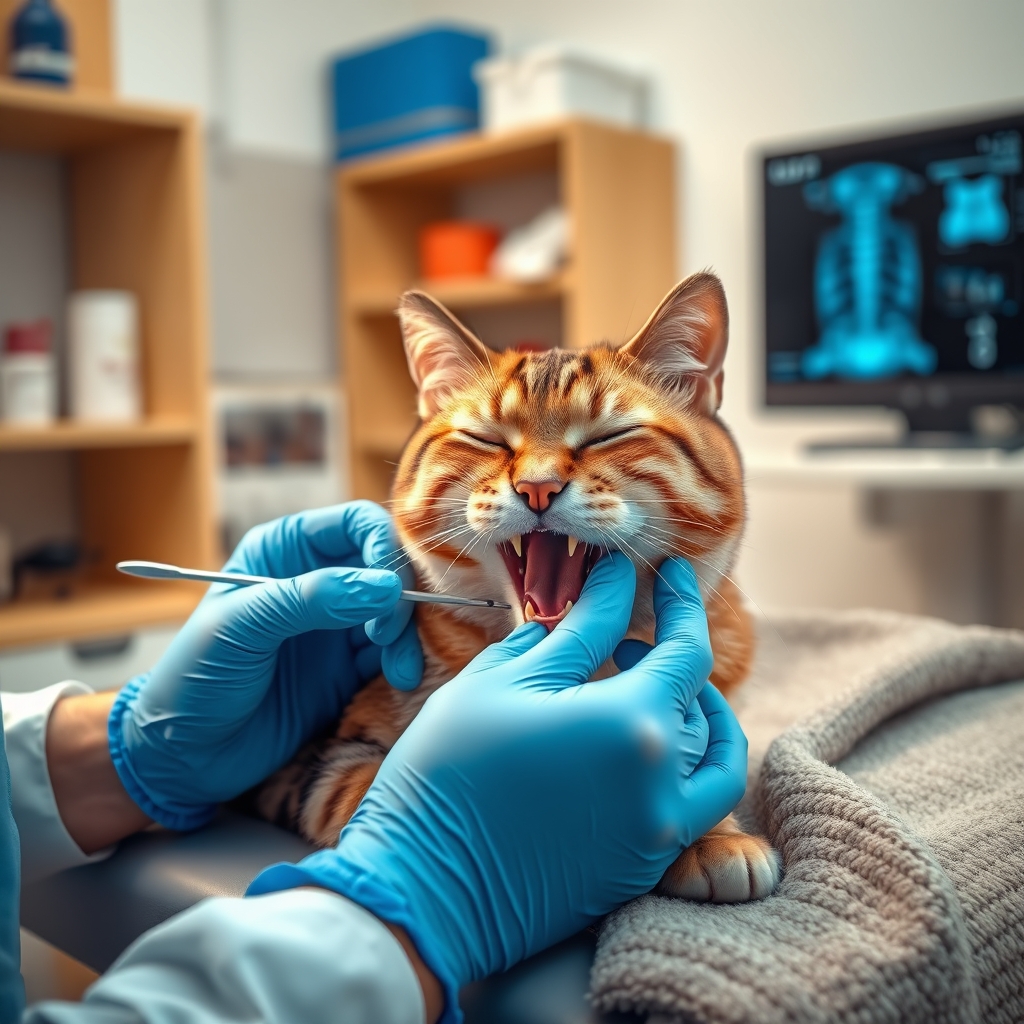
Even with the best at-home care, professional dental cleanings are a crucial part of maintaining your cat’s oral health. These cleanings, performed by a veterinarian, involve a thorough examination of your cat’s mouth, including X-rays to check for hidden issues like root decay or bone loss. The cleaning itself is done under anesthesia, allowing the vet to remove plaque and tartar from below the gumline—a task that’s impossible to achieve with at-home tools alone.
Many cat owners worry about the risks of anesthesia, but modern veterinary practices have made the process safer than ever. Pre-anesthetic bloodwork ensures your cat is healthy enough for the procedure, and monitoring equipment tracks their vital signs throughout. The benefits of a professional cleaning far outweigh the risks, especially for cats with existing dental disease. After the cleaning, your vet may recommend a follow-up plan, including at-home care tips and products to keep your cat’s teeth in top shape.
Diet and Supplements: The Foundation of Dental Health
What your cat eats plays a significant role in their dental health. Dry kibble, for example, can help reduce plaque buildup compared to wet food, though it’s not a substitute for brushing or professional cleanings. Some cat foods are specifically formulated to support dental health, with larger kibble sizes that encourage chewing and mechanical cleaning of the teeth. However, it’s important to note that not all dry foods are created equal—some may contain high levels of carbohydrates, which can contribute to plaque formation.
Supplements can also support dental health by promoting healthy gums and reducing inflammation. Omega-3 fatty acids, for instance, have anti-inflammatory properties that can benefit cats with gum disease. Probiotics are another option, as they help maintain a healthy balance of bacteria in the mouth. Before adding any supplements to your cat’s diet, consult your veterinarian to ensure they’re safe and appropriate for your feline’s specific needs.
Creating a Dental Care Routine That Works for You and Your Cat
Establishing a dental care routine doesn’t have to be overwhelming. Start by introducing your cat to dental products gradually, using positive reinforcement like treats or praise to create a positive association. If your cat resists brushing, try using a finger brush or dental wipes to ease them into the process. Consistency is key—aim to clean your cat’s teeth at least a few times a week, if not daily, to see the best results.
Regular check-ups with your veterinarian are also essential. During these visits, ask your vet to perform a dental exam and discuss any concerns you may have. They can provide personalized recommendations based on your cat’s age, breed, and health status. For senior cats or those with existing dental issues, more frequent cleanings may be necessary to keep their mouths healthy.
Dental care is an investment in your cat’s long-term health and happiness. By taking a proactive approach—whether through brushing, dental treats, or professional cleanings—you can prevent painful conditions and ensure your feline companion enjoys a lifetime of healthy smiles. The effort you put in today will pay off in the form of a happier, healthier cat who can continue to bring joy to your life for years to come.