The Science Behind Cat Nutrition Supplements: How They Support Your Feline’s Unique Needs
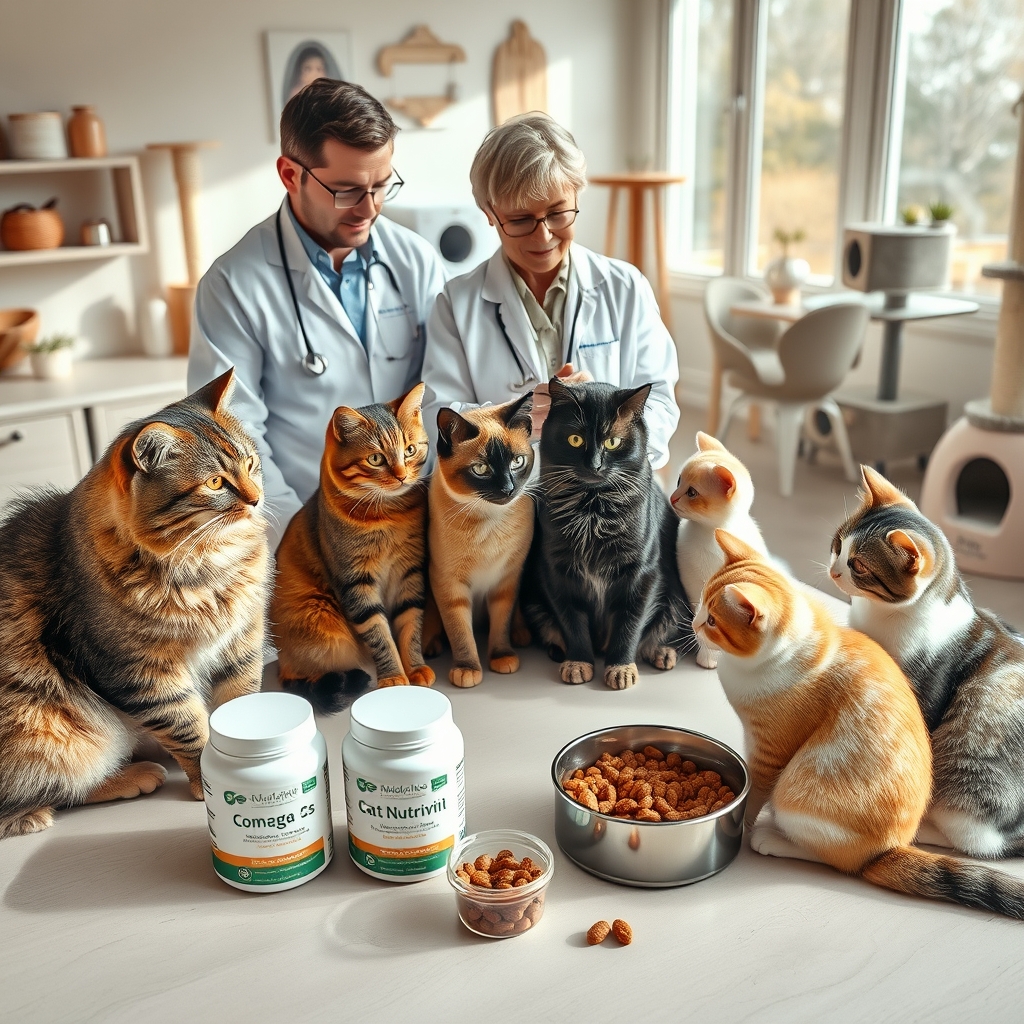
Every cat owner wants their feline companion to live a long, healthy, and vibrant life. While a balanced diet is the foundation of good health, many cats benefit from the targeted support of nutrition supplements. These supplements are designed to address specific needs, from joint health to digestive support, and can make a significant difference in your cat’s overall well-being. But how do you know which supplements are right for your cat, and how do they work?
The Role of Nutrition Supplements in Feline Health
Cats, like humans, have unique nutritional requirements that can change based on their age, breed, and health status. While high-quality cat food provides essential nutrients, supplements can fill gaps or provide additional support where needed. For example, senior cats may benefit from joint supplements containing glucosamine and chondroitin to support mobility, while kittens might need extra omega-3 fatty acids for brain development. Understanding the role of these supplements is the first step in making informed decisions for your cat’s health.
Common Types of Cat Nutrition Supplements
There are several categories of supplements that cater to different aspects of feline health:
- Joint Supplements: These often contain glucosamine, chondroitin, and MSM, which help maintain healthy cartilage and reduce inflammation, particularly in older cats or breeds prone to joint issues.
- Digestive Supplements: Probiotics and prebiotics support gut health, aiding digestion and boosting the immune system. These are especially useful for cats with sensitive stomachs or those recovering from illness.
- Skin and Coat Supplements: Omega-3 and omega-6 fatty acids, such as those found in fish oil, promote a shiny coat and healthy skin while reducing itchiness and flakiness.
- Urinary Health Supplements: These often include cranberry extract or D-mannose, which help prevent urinary tract infections and support overall urinary health.
- Calming Supplements: Ingredients like L-theanine, chamomile, and valerian root can help reduce anxiety and stress in cats, particularly those prone to separation anxiety or nervousness.
How to Choose the Right Supplement for Your Cat
With so many options available, selecting the right supplement can feel overwhelming. Start by consulting your veterinarian, who can recommend supplements based on your cat’s specific needs. Look for products that are backed by scientific research and manufactured by reputable companies. Avoid supplements with artificial additives, fillers, or excessive amounts of inactive ingredients. Additionally, consider your cat’s preferences—some supplements come in chewable tablets, liquids, or powders that can be mixed with food.
Integrating Supplements into Your Cat’s Routine
Introducing a new supplement to your cat’s diet should be done gradually. Start with a small dose and monitor your cat for any adverse reactions, such as digestive upset or allergic responses. If your cat is already taking medication, check with your vet to ensure there are no interactions. Consistency is key—most supplements take time to show results, so stick with the recommended dosage and give it a few weeks to see improvements.
The Benefits of Organic and Natural Supplements
As pet owners become more conscious of what they feed their cats, organic and natural supplements are gaining popularity. These products are free from synthetic additives, pesticides, and genetically modified ingredients, making them a safer choice for cats with sensitivities or allergies. Organic supplements often contain higher-quality ingredients, which can lead to better absorption and effectiveness. However, it’s important to note that “natural” doesn’t always mean better—always look for supplements that have been tested for safety and efficacy.
Signs Your Cat Might Benefit from Supplements
Not every cat needs supplements, but there are certain signs that may indicate your feline friend could benefit from additional support. For example, if your cat has a dull coat, excessive shedding, or dry skin, omega-3 supplements might help. If they’re struggling with mobility or stiffness, joint supplements could provide relief. Cats with frequent digestive issues, such as diarrhea or constipation, may benefit from probiotics. Pay attention to your cat’s behavior and physical condition, and consult your vet if you notice any concerning changes.
While supplements can play a valuable role in supporting your cat’s health, they should never replace a balanced diet or proper veterinary care. Think of them as a tool to enhance your cat’s well-being, rather than a cure-all. By choosing high-quality supplements and integrating them thoughtfully into your cat’s routine, you can help ensure they stay happy, healthy, and full of life for years to come. Whether it’s a senior cat enjoying improved mobility or a kitten thriving with extra nutritional support, the right supplements can make a world of difference in your feline’s quality of life.