Vaccination Vitality: Decoding the Feline Vaccination Schedule for a Lifetime of Protection
Vaccinations are one of the cornerstones of preventive healthcare for cats, shielding them from a range of infectious diseases that can compromise their well-being. Yet, for many cat owners, the feline vaccination schedule can feel like a maze of medical jargon, conflicting advice, and uncertainty about what’s truly necessary. Understanding the difference between core and non-core vaccines, recognizing the importance of timing, and tailoring the schedule to your cat’s lifestyle can make all the difference in ensuring their long-term health.
The Basics: Core vs. Non-Core Vaccines
Not all vaccines are created equal, and veterinarians categorize them based on their necessity and the risks they mitigate. Core vaccines are those recommended for all cats, regardless of their lifestyle, because they protect against highly contagious, severe, or life-threatening diseases. These typically include:
- Rabies: A fatal viral disease that can also be transmitted to humans. Vaccination is not only a health imperative but often a legal requirement in many regions.
- Feline Panleukopenia (FPV): Also known as feline distemper, this highly contagious virus attacks a cat’s immune system, leading to severe illness or death, particularly in kittens.
- Feline Calicivirus (FCV) and Feline Herpesvirus (FHV-1): These two viruses are the primary causes of upper respiratory infections in cats, often referred to as “cat flu.” While not always fatal, they can cause chronic health issues and discomfort.
Non-core vaccines, on the other hand, are recommended based on a cat’s individual risk factors, such as their environment, exposure to other animals, and geographic location. These may include:
- Feline Leukemia Virus (FeLV): A serious disease that weakens the immune system and can lead to cancer. Outdoor cats or those living with FeLV-positive cats are at higher risk.
- Feline Immunodeficiency Virus (FIV): While a vaccine exists, its efficacy is debated, and it’s typically only recommended for cats at high risk of exposure, such as those in multi-cat households with known FIV-positive cats.
- Chlamydia Felis: A bacterial infection that causes conjunctivitis and respiratory issues, more common in shelters or catteries.
- Bordetella Bronchiseptica: Another bacterial infection contributing to respiratory disease, often seen in cats exposed to dogs or in high-density living situations.
Kitten Vaccination: Building Immunity from the Start
Kittens are particularly vulnerable to infections because their immune systems are still developing. Maternal antibodies, passed from the mother through colostrum (the first milk), provide temporary protection, but this immunity wanes over time. The kitten vaccination schedule is designed to bridge this gap and ensure they develop their own robust immune response.
A typical kitten vaccination timeline looks like this:
- 6-8 weeks: First dose of the core vaccines (FPV, FCV, FHV-1).
- 10-12 weeks: Second dose of core vaccines, along with the first FeLV vaccine if recommended.
- 14-16 weeks: Final dose of core vaccines, second FeLV dose if applicable, and the rabies vaccine.
- 12-16 months: Booster shots for all core vaccines and any non-core vaccines deemed necessary.
It’s crucial to adhere to this schedule because missing or delaying a dose can leave kittens unprotected during a critical window of vulnerability. Your veterinarian may adjust the timeline based on the kitten’s health, maternal antibody levels, or local disease prevalence.
Adult Cats: Maintaining Protection Through Boosters
Once a cat reaches adulthood, the focus shifts from initial immunity-building to maintaining protection through booster vaccinations. The frequency of these boosters depends on the vaccine type, the cat’s risk factors, and local regulations. For example:
- Rabies: Typically administered every 1-3 years, depending on the vaccine used and local laws.
- FPV, FCV, FHV-1: Boosters are usually given every 3 years, though some veterinarians recommend annual boosters for cats at higher risk, such as those in shelters or multi-cat households.
- FeLV: Annual boosters are recommended for cats at continued risk of exposure.
Regular veterinary checkups are essential during this stage to assess your cat’s overall health and determine if any adjustments to their vaccination schedule are needed. For instance, an indoor-only cat with no exposure to other animals may require fewer non-core vaccines than an outdoor cat or one that frequents boarding facilities.
Senior Cats: Adjusting the Schedule with Age
As cats enter their golden years, their immune systems may weaken, making them more susceptible to infections. However, this doesn’t necessarily mean they need more vaccines. In fact, over-vaccination can pose risks, particularly for senior cats with underlying health conditions. The key is to strike a balance between maintaining protection and avoiding unnecessary stress on their system.
Veterinarians often recommend titer testing for senior cats to measure their antibody levels against specific diseases. If the titers indicate sufficient immunity, booster vaccinations may be postponed or skipped. This approach minimizes the risk of adverse reactions while ensuring the cat remains protected. It’s also a good idea to discuss any changes in your senior cat’s lifestyle, such as reduced outdoor activity, which might reduce their exposure to certain diseases.
Debunking Vaccination Myths
Despite the overwhelming evidence supporting the safety and efficacy of vaccines, misinformation persists. One common myth is that vaccines cause autism or other developmental disorders in cats. This claim has been thoroughly debunked by scientific research, and there is no credible evidence linking vaccines to such conditions. Another misconception is that indoor cats don’t need vaccines. While it’s true that indoor cats have a lower risk of exposure to certain diseases, they are not entirely immune. For example, rabies can be transmitted through bats or other wildlife that may enter the home, and upper respiratory infections can spread through contaminated objects or even on the owner’s clothing.
Some cat owners also worry about over-vaccination, fearing that too many vaccines can overwhelm their pet’s immune system. While it’s true that vaccines should be administered judiciously, the immune system is capable of handling multiple antigens at once. Veterinarians follow guidelines established by organizations like the American Association of Feline Practitioners (AAFP) to ensure cats receive only the vaccines they need, based on their individual risk factors.
Recognizing and Managing Vaccine Reactions
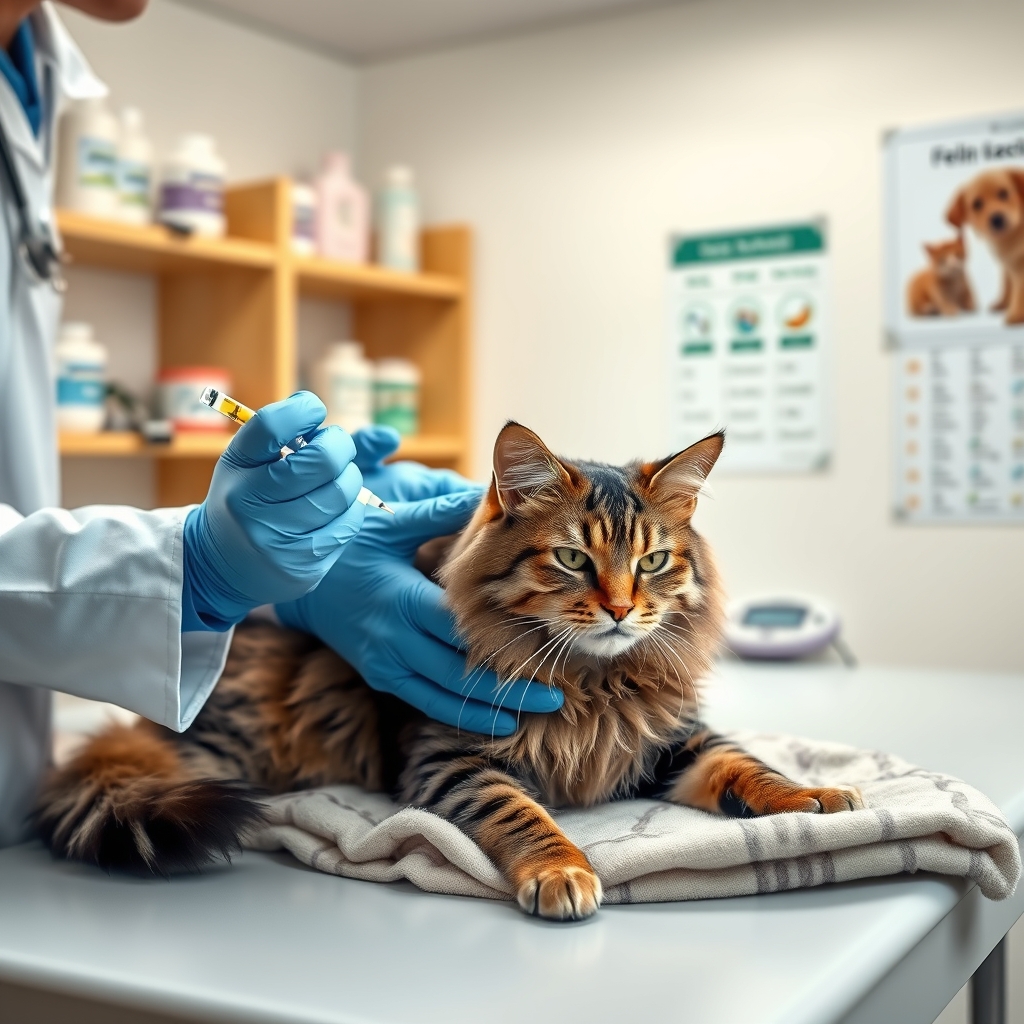
While vaccines are generally safe, some cats may experience mild side effects, such as lethargy, slight fever, or soreness at the injection site. These reactions are usually short-lived and resolve on their own. However, in rare cases, cats may have more severe reactions, such as vomiting, diarrhea, facial swelling, or difficulty breathing. If you notice any of these symptoms, contact your veterinarian immediately.
To minimize the risk of adverse reactions, your veterinarian may recommend pre-vaccination blood work, especially for senior cats or those with chronic health conditions. They may also suggest splitting vaccines into separate appointments or using vaccines with fewer additives. Always discuss your cat’s medical history with your veterinarian to ensure they receive the safest and most appropriate care.
Vaccinations are a small but powerful investment in your cat’s health, offering protection against diseases that could otherwise cut their life short or diminish their quality of life. By working closely with your veterinarian to tailor a vaccination schedule to your cat’s unique needs, you’re not just following a medical protocol—you’re giving them the best chance at a long, happy, and healthy life. Whether your feline friend is a curious kitten, a playful adult, or a wise senior, their well-being starts with the choices you make today, and vaccination is one of the most impactful choices of all.