
The Vet Visit Blueprint: A Stress-Free Guide to Your Cat’s Checkup and Preventive Care
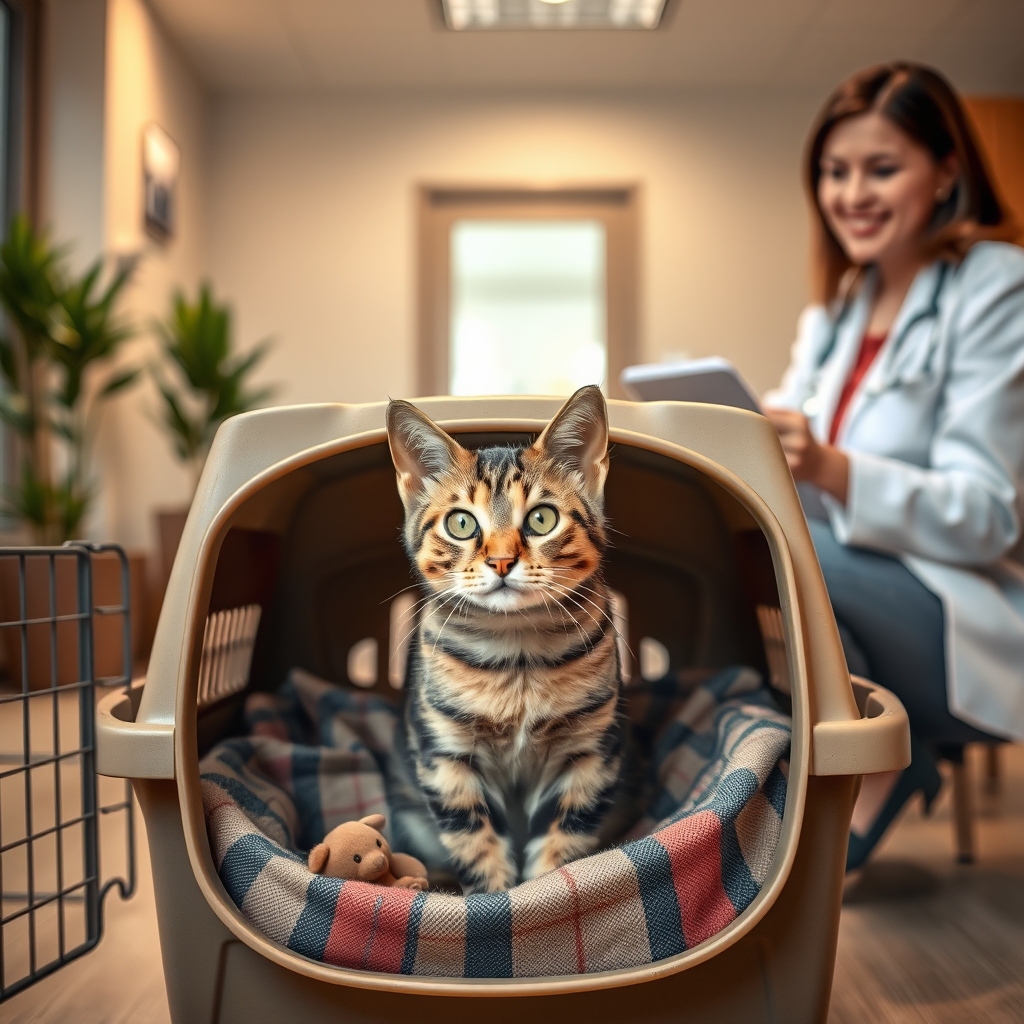
Taking your cat to the vet can feel like preparing for a minor heist—meticulous planning, stealthy execution, and the hope that no one gets hurt (or scratched). Yet, regular veterinary checkups are the cornerstone of feline health, catching potential issues before they become serious problems. Whether you’re a first-time cat parent or a seasoned pro, understanding what to expect and how to prepare can transform a stressful ordeal into a smooth, even positive, experience for both you and your furry friend.
The Importance of Regular Vet Visits
Cats are masters of disguise—especially when it comes to hiding illness. In the wild, showing weakness can make them vulnerable, so they’ve evolved to mask pain and discomfort until it’s often too late. This is why annual (or bi-annual for senior cats) veterinary checkups are non-negotiable. These visits allow your vet to detect early signs of diseases like kidney disease, diabetes, hyperthyroidism, or dental issues that might otherwise go unnoticed until they’re advanced.
A typical checkup includes a thorough physical examination: your vet will check your cat’s eyes, ears, and mouth for signs of infection or disease, listen to their heart and lungs, palpate their abdomen for abnormalities, and assess their weight and body condition. Blood work, urinalysis, and fecal tests may also be recommended, especially for older cats or those with pre-existing conditions. Think of it as a feline MOT—essential maintenance to keep your cat running smoothly.
Preparing Your Cat for the Vet: A Step-by-Step Guide
The key to a stress-free vet visit starts at home. Cats are creatures of habit, and the unfamiliar sights, sounds, and smells of a veterinary clinic can send even the most laid-back feline into a tailspin. Here’s how to minimize the stress:
1. Acclimate Your Cat to the Carrier
For many cats, the carrier is a one-way ticket to terror. Instead of bringing it out only for vet visits, leave it out in your home as a cozy retreat. Line it with a soft blanket or a piece of clothing that smells like you, and occasionally place treats or toys inside to encourage your cat to explore it voluntarily. Over time, your cat will associate the carrier with safety rather than stress.
2. Practice Car Rides
If your cat only rides in the car to go to the vet, it’s no wonder they associate it with dread. Break this cycle by taking your cat on short, positive car rides—just around the block or to a quiet park. Pair these trips with treats or gentle praise to create a more neutral (or even positive) association. If your cat is particularly anxious, consider using a pheromone spray like Feliway in the carrier to help calm them.
3. Schedule Wisely
Book your appointment for a time when the clinic is likely to be quieter, such as early morning or mid-week. Avoid drop-off times if possible, as cats often feel more secure when their humans are present. If your cat is extremely anxious, ask if your vet offers “fear-free” appointments, which are designed to minimize stress through gentle handling and a calm environment.
4. Bring Comfort Items
Pack the carrier with familiar items, such as your cat’s favorite blanket or a toy. A piece of clothing with your scent can also provide comfort. If your cat is food-motivated, bring along some high-value treats to distract and reward them during the visit. For cats that are particularly stressed, your vet may recommend a mild sedative or anti-anxiety medication to be given before the appointment—always consult your vet before administering any medication.
What to Expect During the Checkup
Knowing what to expect can help you feel more prepared and less anxious, which in turn helps your cat stay calm. Here’s a breakdown of a typical veterinary visit:
1. Weight and Vital Signs
Your vet or a veterinary technician will start by weighing your cat and taking their temperature, pulse, and respiration rate. Sudden weight loss or gain can be a red flag for underlying health issues, so tracking these metrics over time is crucial.
2. Physical Examination
The vet will perform a head-to-tail examination, checking for any abnormalities. They’ll look at your cat’s eyes for signs of cataracts or glaucoma, inspect their ears for mites or infections, and examine their teeth and gums for signs of dental disease. They’ll also listen to your cat’s heart and lungs, palpate their abdomen, and check their skin and coat for issues like fleas, dryness, or lumps.
3. Vaccinations and Preventive Care
Depending on your cat’s age, lifestyle, and health status, your vet may recommend vaccinations, such as the core vaccines (rabies and FVRCP) or non-core vaccines (like feline leukemia for outdoor cats). They’ll also discuss parasite prevention, including flea, tick, and heartworm treatments, as well as deworming protocols. If your cat isn’t already microchipped, this is a great time to discuss the benefits of this permanent form of identification.
4. Diagnostic Tests
For senior cats or those with health concerns, your vet may recommend blood work, urinalysis, or other diagnostic tests. These tests can provide a wealth of information about your cat’s internal health, from kidney and liver function to blood sugar levels. While it may seem like an added expense, early detection of issues like kidney disease or diabetes can significantly improve your cat’s quality of life and longevity.
5. Dental Checkup
Dental health is often overlooked but is a critical component of your cat’s overall well-being. Your vet will examine your cat’s teeth and gums for signs of periodontal disease, tooth resorption, or other dental issues. If necessary, they may recommend a professional dental cleaning, which typically requires anesthesia. Regular at-home dental care, such as brushing your cat’s teeth or providing dental treats, can help prevent plaque buildup and keep their mouth healthy between cleanings.
After the Visit: Post-Checkup Care
Once you’re home, give your cat some time to decompress. Set up a quiet, cozy space where they can retreat and relax, and offer them fresh water and a small meal if they’re interested. Monitor them for any signs of stress or illness, such as hiding, lethargy, or changes in appetite or litter box habits. If your vet prescribed any medications or recommended follow-up care, be sure to follow their instructions carefully.
If your cat had blood work or other tests done, ask your vet when you can expect the results and how they’ll be communicated to you. Don’t hesitate to reach out if you have any questions or concerns after the visit—your vet is there to support you and your cat’s health.
Regular veterinary care is one of the most important investments you can make in your cat’s health and happiness. While it may seem like a hassle (or a battle) to get your cat to the vet, the peace of mind that comes from knowing they’re healthy—or catching a potential issue early—is well worth the effort. With a little preparation and patience, you can turn vet visits from a source of stress into an opportunity to bond with your cat and ensure they live a long, happy, and healthy life by your side.