Whisker Wellness: The Essential Guide to Cat Supplements and Nutrition for Optimal Feline Health
When it comes to keeping your feline friend in peak condition, a balanced diet is just the beginning. While high-quality cat food provides essential nutrients, many pet owners are turning to supplements to address specific health needs, enhance vitality, and prevent common issues. Understanding which supplements can benefit your cat—and how to incorporate them safely—can make a significant difference in their overall well-being.
The Role of Supplements in Feline Nutrition
Cats, like humans, have unique nutritional requirements that may not always be fully met by diet alone. Factors such as age, breed, activity level, and underlying health conditions can influence their need for additional support. Supplements can help bridge these gaps, offering targeted benefits such as improved joint health, a shinier coat, stronger immunity, and better digestion. However, not all supplements are created equal, and it’s crucial to choose products formulated specifically for cats, as some human supplements can be toxic to them.
Key Supplements for Common Feline Health Concerns
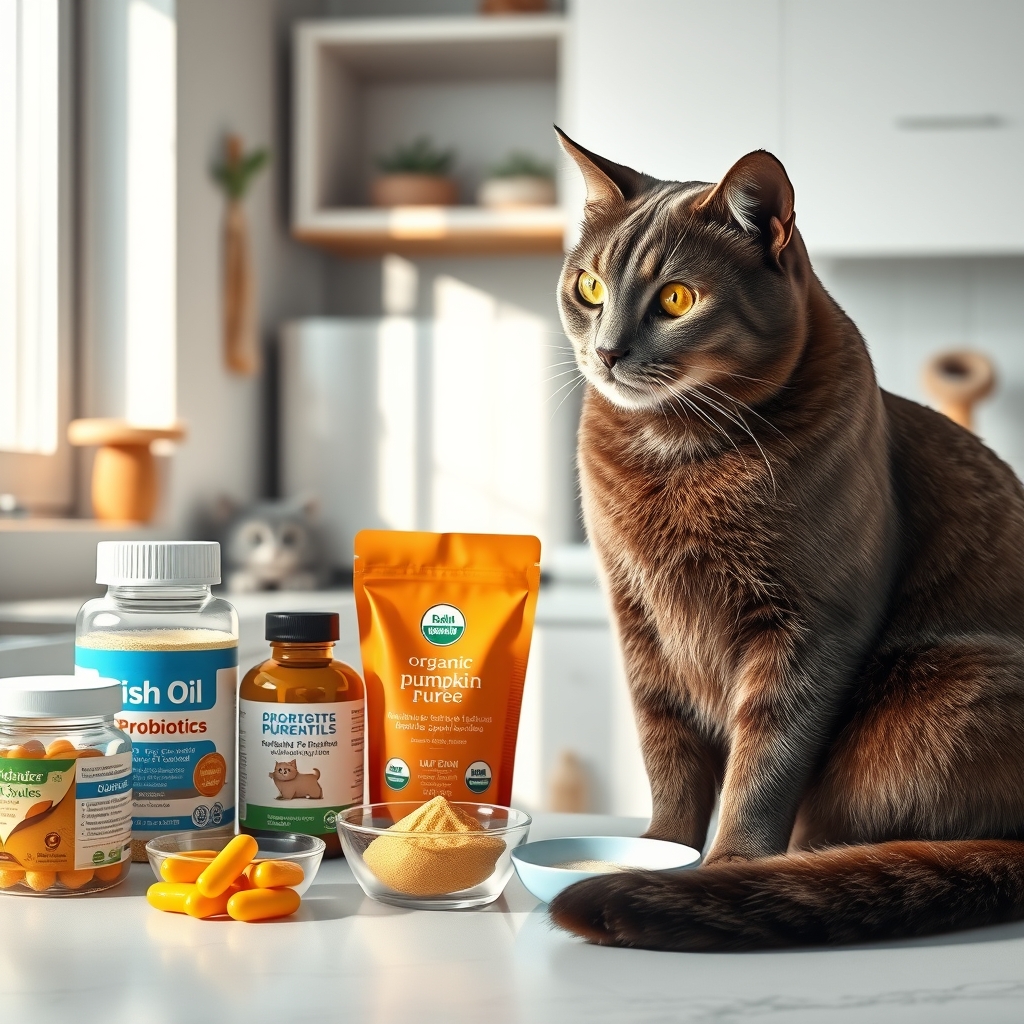
One of the most widely used supplements for cats is omega-3 fatty acids, particularly those derived from fish oil. These powerful nutrients support skin and coat health, reduce inflammation, and may even improve cognitive function in older cats. Another popular option is probiotics, which promote a healthy gut microbiome, aiding digestion and bolstering the immune system. For cats prone to hairballs, supplements containing psyllium husk or malt extract can help ease passage and reduce discomfort.
Joint health is another area where supplements can make a noticeable difference, especially for senior cats or breeds prone to mobility issues. Glucosamine and chondroitin are commonly recommended to support cartilage health and reduce joint pain, while MSM (methylsulfonylmethane) can help decrease inflammation. Additionally, taurine, an essential amino acid for cats, is often included in supplements to support heart health, vision, and reproductive function—though it’s important to note that most commercial cat foods already contain adequate levels.
How to Safely Introduce Supplements to Your Cat’s Diet
Before adding any supplement to your cat’s routine, consulting with a veterinarian is essential. They can help determine whether your cat actually needs supplementation and recommend the appropriate dosage based on their weight, age, and health status. Over-supplementing can lead to imbalances or adverse reactions, so it’s important to follow professional guidance rather than relying on generic recommendations.
When selecting a supplement, opt for reputable brands that undergo third-party testing to ensure purity and potency. Avoid products with artificial additives, fillers, or excessive flavors, as these can be harmful or unappealing to cats. Introducing supplements gradually is also key—start with a small dose and monitor your cat for any signs of digestive upset or allergic reactions. If your cat is particularly finicky, consider liquid or powdered supplements that can be mixed into their food, or look for flavored options designed to appeal to feline taste buds.
Natural Alternatives and DIY Options
For pet owners who prefer a more holistic approach, some natural foods can serve as gentle supplements. For example, pumpkin puree (plain, without spices) can aid digestion and help with both constipation and diarrhea. Bone broth, rich in collagen and minerals, can support joint health and hydration, while coconut oil (in small amounts) may improve skin and coat condition. However, even natural remedies should be introduced cautiously, as some cats may have sensitivities or allergies.
If you’re considering homemade supplements, research thoroughly and consult your vet to ensure they’re safe and nutritionally balanced. For instance, while some owners add eggshell powder (a natural source of calcium) to their cat’s food, improper preparation can lead to bacterial contamination or an imbalance of minerals. When in doubt, stick to commercially prepared supplements that have been vetted for safety and efficacy.
Recognizing When Supplements Aren’t Enough
While supplements can be a valuable addition to your cat’s care routine, they are not a cure-all. If your cat is experiencing persistent health issues—such as chronic vomiting, lethargy, weight loss, or behavioral changes—it’s important to seek veterinary attention rather than relying solely on supplements. These symptoms could indicate underlying conditions like kidney disease, hyperthyroidism, or dental problems that require professional diagnosis and treatment.
Additionally, supplements should never replace a balanced diet or regular veterinary checkups. Annual or bi-annual wellness exams are crucial for catching potential health issues early, and your vet can provide personalized advice on nutrition, weight management, and preventive care. For cats with specific medical needs, prescription diets or medications may be necessary alongside—or instead of—supplements.
Ultimately, the goal of supplementation is to enhance your cat’s quality of life, not to complicate it. By taking a thoughtful, informed approach—prioritizing safety, quality, and professional guidance—you can help your feline companion thrive at every stage of life. Whether it’s supporting their joints in their golden years, boosting their immune system, or simply keeping their coat glossy and soft, the right supplements can be a powerful tool in your cat care arsenal. The key is to observe your cat closely, stay attuned to their needs, and make adjustments as necessary, always keeping their well-being at the heart of every decision.