The Secret Life of Cat Scratching: Why Your Feline Needs More Than Just a Post
Cats have an innate need to scratch—it’s as natural to them as purring or napping in sunbeams. Yet, many cat owners view scratching as a destructive habit rather than a vital part of feline behavior. Understanding why cats scratch, how it benefits them, and how to provide the right outlets can transform your relationship with your pet while preserving your furniture. The key lies not just in offering a scratching post but in creating an environment that satisfies their instincts in ways that align with their preferences.
The Science Behind the Scratch
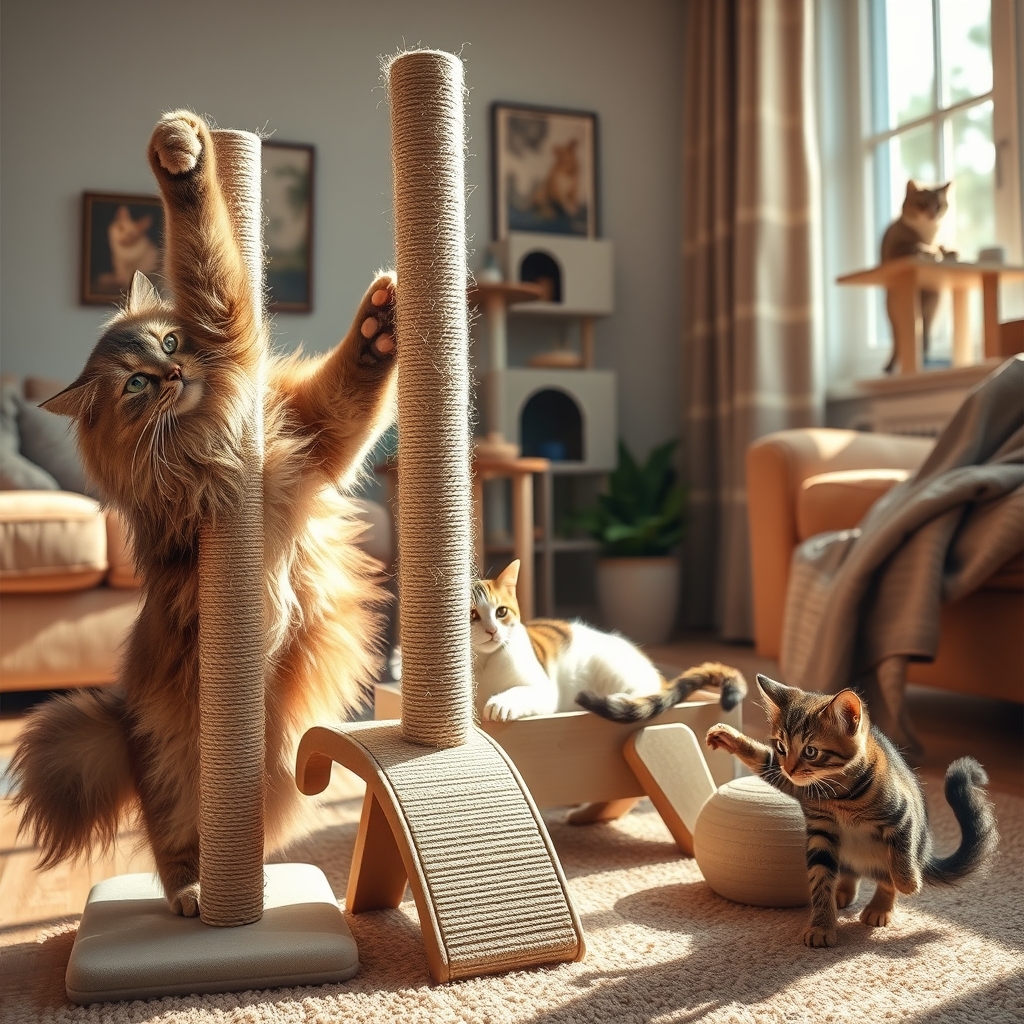
Scratching serves multiple purposes for cats, both physical and psychological. Physically, it helps them shed the outer layer of their claws, keeping them sharp and healthy. It also stretches their muscles, particularly in their shoulders, back, and paws, which is essential for maintaining flexibility and strength. Psychologically, scratching is a way for cats to mark their territory. The pads on their paws contain scent glands, and when they scratch, they leave behind both a visual mark and a scent that signals ownership to other cats. This behavior is deeply rooted in their wild ancestry, where marking territory was crucial for survival.
Why Your Cat Ignores the Scratching Post
Many cat owners invest in a scratching post only to find their feline friend completely uninterested. The issue often lies in the type of post or its placement. Cats have preferences when it comes to scratching surfaces—some prefer vertical posts, while others favor horizontal or angled ones. The material matters too; sisal, cardboard, and wood are popular choices, but not every cat will respond to the same texture. Additionally, the location of the scratching post plays a significant role. Cats like to scratch in high-traffic areas where their marks will be seen, such as near doorways or windows. Placing a post in a quiet corner may render it invisible to your cat’s instincts.
Choosing the Right Scratching Solution
Not all scratching posts are created equal, and the best one for your cat depends on their individual habits. Here’s a breakdown of the most common types and their benefits:
Vertical Scratching Posts
These are the most traditional option and are ideal for cats who love to stretch upward while scratching. They come in various heights, so choose one that allows your cat to fully extend their body. Tall posts are particularly beneficial for larger cats or those who enjoy climbing. Look for posts wrapped in sisal rope or fabric, as these materials provide a satisfying texture for cats to dig their claws into.
Horizontal Scratching Pads
Some cats prefer to scratch horizontally, especially if they like to lie down while doing so. Cardboard scratchers or flat pads made of sisal are excellent choices for these cats. They’re also great for multi-cat households, as they can accommodate different scratching styles. Place them in areas where your cat likes to lounge, such as near their favorite napping spot.
Angled or Inclined Scratchers
These scratchers offer a middle ground between vertical and horizontal options. They’re perfect for cats who like to scratch at an angle, and they often double as lounging spots. Inclined scratchers can be placed against a wall or furniture, making them a versatile addition to your home.
Wall-Mounted Scratchers
For cats who love to scratch walls or door frames, wall-mounted scratchers can redirect their behavior to a more appropriate surface. These scratchers can be installed at any height and are often made of sisal or carpet. They’re a great solution for renters or those who want to save floor space.
Training Your Cat to Use the Scratching Post
Even the best scratching post won’t be effective if your cat doesn’t know how to use it. Training your cat to scratch where you want them to requires patience and positive reinforcement. Start by placing the post in a location where your cat already likes to scratch. If they ignore it, try rubbing catnip on the post or dangling a toy near it to encourage interaction. When your cat uses the post, reward them with treats or praise. If you catch them scratching furniture, gently redirect them to the post without scolding. Over time, they’ll associate the post with positive experiences and leave your furniture alone.
Making Scratching a Part of Playtime
Incorporating scratching into playtime can help reinforce the behavior. Use interactive toys to lead your cat to the scratching post and encourage them to stretch and scratch. Wand toys or feather teasers are great for this, as they mimic the movement of prey and trigger your cat’s natural instincts. The more fun your cat has with the post, the more likely they are to use it regularly.
Beyond the Post: Enriching Your Cat’s Environment
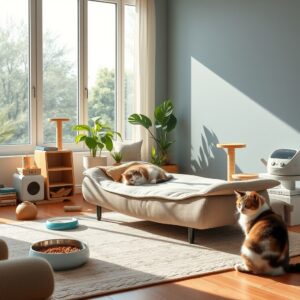
While a scratching post is essential, it’s just one piece of the puzzle when it comes to indoor cat enrichment. Cats thrive in environments that stimulate their senses and allow them to engage in natural behaviors. Consider adding cat trees, shelves, or window perches to give your cat vertical space to explore. Puzzle feeders and interactive toys can keep their minds sharp, while hiding spots and tunnels provide opportunities for play and relaxation. The more enriched your cat’s environment, the less likely they are to engage in destructive behaviors like excessive scratching or furniture damage.
The Role of Cat Furniture in Scratching Behavior
Cat furniture, such as cat trees or condos, often includes built-in scratching surfaces. These multi-functional pieces are a great way to combine scratching with climbing and lounging. Look for furniture that offers a variety of textures and angles to cater to your cat’s preferences. Placing cat furniture near windows or in social areas of your home can make it even more appealing to your feline friend.
Understanding your cat’s scratching habits is about more than just protecting your furniture—it’s about nurturing their physical and emotional well-being. By providing the right tools and environment, you can help your cat express their natural behaviors in a way that strengthens your bond and keeps them happy and healthy. The next time you see your cat stretching and scratching, you’ll know they’re not just sharpening their claws; they’re communicating, exercising, and claiming their space in your home. And with the right approach, you can ensure that space is one you both enjoy sharing.