The Complete Guide to Choosing the Best Organic Cat Food for Your Feline Friend
As pet owners become increasingly conscious of what they feed their furry companions, the demand for organic cat food has surged. Unlike conventional options, organic cat food is crafted from ingredients grown without synthetic pesticides, fertilizers, or genetically modified organisms (GMOs). This shift isn’t just a trend—it’s a commitment to providing cats with a diet that supports their long-term health, vitality, and well-being. But with so many options on the market, how do you choose the best organic cat food for your feline friend? This guide will walk you through everything you need to know.
Why Organic Cat Food Matters
Cats are obligate carnivores, meaning their bodies are designed to thrive on animal-based proteins. However, not all proteins are created equal. Conventional cat foods often contain meat from animals raised with antibiotics, growth hormones, and feed laced with pesticides. These residues can accumulate in your cat’s system over time, potentially leading to health issues like allergies, digestive problems, or even chronic diseases.
Organic cat food, on the other hand, prioritizes high-quality, ethically sourced ingredients. It avoids artificial additives, fillers, and by-products, ensuring that every bite your cat takes is packed with nutrition. Studies have shown that cats fed organic diets tend to have shinier coats, healthier skin, better digestion, and even improved energy levels. For cats with sensitivities or allergies, organic options can be a game-changer, reducing flare-ups and discomfort.
Key Ingredients to Look For
When scanning the labels of organic cat food, there are a few non-negotiable ingredients to prioritize:
1. High-Quality Animal Protein
Look for named meat sources like organic chicken, turkey, beef, or fish listed as the first ingredient. Avoid vague terms like “meat meal” or “animal by-products,” which can be low-quality or poorly sourced. Cats require taurine, an essential amino acid found in animal tissue, so ensure the food meets their nutritional needs.
2. Organic Fruits and Vegetables
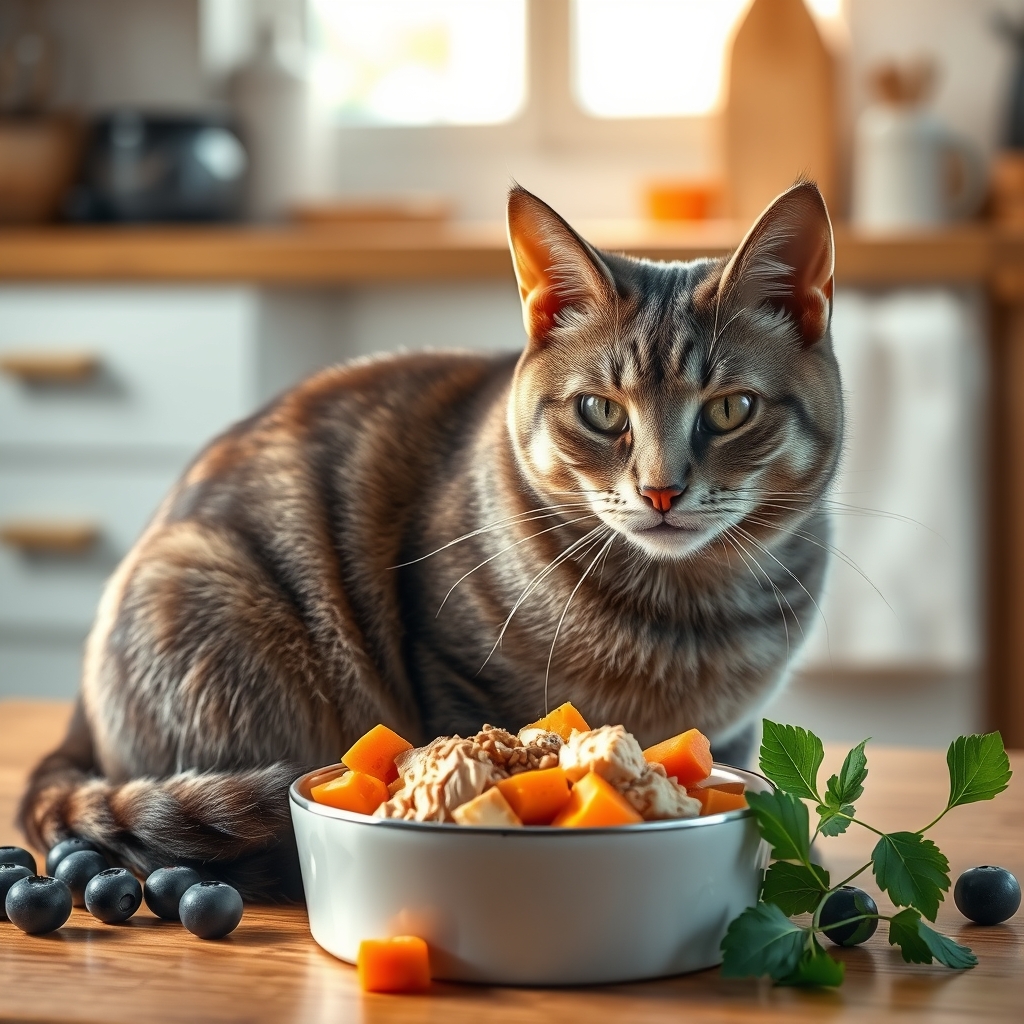
While cats don’t need a diet rich in plant matter, small amounts of organic fruits and vegetables can provide essential vitamins, minerals, and antioxidants. Ingredients like organic sweet potatoes, carrots, blueberries, or spinach can support immune health and digestion. However, these should never replace animal protein as the primary ingredient.
3. Healthy Fats
Fats are a crucial energy source for cats and help maintain healthy skin and a glossy coat. Look for organic sources like chicken fat, salmon oil, or flaxseed oil. Omega-3 and Omega-6 fatty acids, in particular, are vital for reducing inflammation and supporting brain health.
4. No Artificial Additives
Organic cat food should be free from artificial colors, flavors, and preservatives like BHA, BHT, or ethoxyquin. These chemicals can be harmful over time, so opt for foods preserved with natural alternatives like mixed tocopherols (vitamin E).
Understanding Organic Certifications
Not all “organic” labels are created equal. In the United States, the USDA Organic certification is the gold standard. Here’s what the different labels mean:
- 100% Organic: All ingredients must be certified organic, and processing aids must also be organic.
- Organic: At least 95% of the ingredients must be organic, and the remaining 5% must be on the USDA’s approved list.
- Made with Organic Ingredients: At least 70% of the ingredients must be organic, but the product cannot use the USDA Organic seal.
For the best results, choose cat foods labeled “100% Organic” or “Organic” to ensure you’re getting the highest quality. Be wary of terms like “natural” or “holistic,” which are not regulated and don’t guarantee organic sourcing.
Wet vs. Dry Organic Cat Food: Which Is Better?
The debate between wet and dry cat food is ongoing, but both have their place in a cat’s diet—especially when organic.
Wet Organic Cat Food
Wet food is an excellent choice for cats because it provides hydration, which is crucial since many cats don’t drink enough water. It’s also typically higher in protein and lower in carbohydrates, aligning more closely with a cat’s natural diet. Look for BPA-free cans or pouches to avoid potential chemical leaching.
Dry Organic Cat Food
Dry food is convenient, has a longer shelf life, and can help with dental health by reducing tartar buildup. However, it’s often higher in carbohydrates and lower in moisture, so it shouldn’t be the sole diet for cats prone to urinary issues or obesity. If you choose dry food, ensure your cat has access to plenty of fresh water and consider supplementing with wet food.
Transitioning Your Cat to Organic Food
Switching your cat’s diet abruptly can lead to digestive upset, so it’s best to transition gradually over 7-10 days. Start by mixing a small amount of the new organic food with their current food, gradually increasing the proportion of the new food while decreasing the old. Monitor your cat for any signs of discomfort, such as vomiting, diarrhea, or lethargy, and consult your veterinarian if issues persist.
For picky eaters, try warming the food slightly to enhance its aroma, or mix in a small amount of organic bone broth to entice them. Patience is key—some cats may take time to adjust to the new flavors and textures.
Top Organic Cat Food Brands to Consider
With so many options available, it can be overwhelming to choose. Here are some reputable brands known for their high-quality organic cat food:
- Castor & Pollux Organix: One of the most well-known organic pet food brands, offering both wet and dry options with USDA Organic certification.
- Tender & True: Focuses on sustainably sourced, organic ingredients with a commitment to transparency and quality.
- Primal Pet Foods: Specializes in raw, freeze-dried organic cat food, providing a diet close to what cats would eat in the wild.
- Newman’s Own Organic: A trusted name in organic pet food, offering grain-free options with high protein content.
- The Honest Kitchen: Provides human-grade, dehydrated organic cat food that’s easy to prepare and packed with nutrients.
Before committing to a brand, check for recalls or customer reviews to ensure the food meets your cat’s needs. Your veterinarian can also provide recommendations based on your cat’s age, health, and dietary requirements.
Feeding your cat organic food is an investment in their health, but it’s not just about the label—it’s about understanding what goes into their food and how it benefits them. By choosing high-quality, organic ingredients, you’re giving your feline friend the best chance at a long, happy, and healthy life. Whether you opt for wet, dry, or a combination of both, the key is to prioritize nutrition, transparency, and your cat’s individual needs. As you explore the world of organic cat food, you’ll likely notice the difference in your cat’s energy, coat, and overall well-being, making the switch well worth the effort.